< Diet plan -

Category: Diet plan

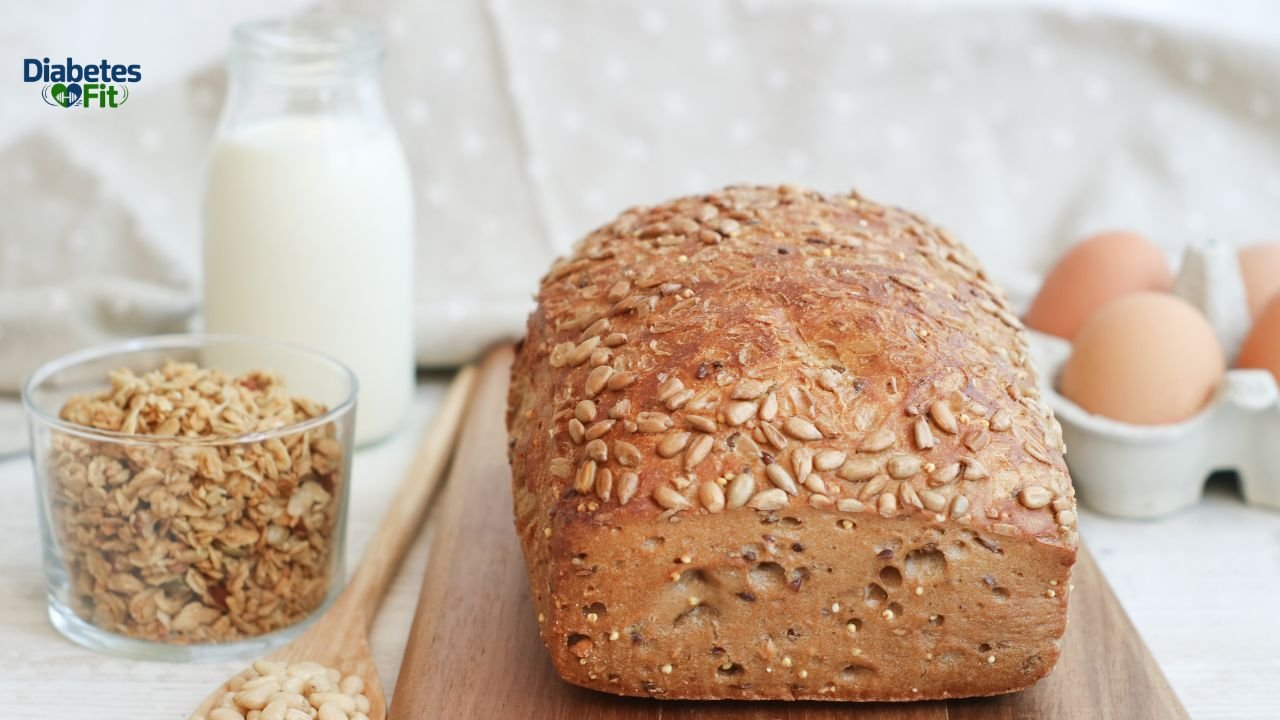
  • Best Low Carb Bread for Diabetics: Top Picks That Won’t Spike Your Blood Sugar

    Best Low Carb Bread for Diabetics: Top Picks That Won’t Spike Your Blood Sugar

    If you have diabetes, bread is often the first food you’re told to give up — and that feels like losing a daily comfort and staple all at once. But the truth is, you don’t have to give up bread entirely. You just need to find the best low carb bread for diabetics — one that satisfies your cravings without sending your blood sugar on a dangerous roller coaster.

    The difference between a good diabetic bread and a poor one can mean a 50–100 mg/dL difference in post-meal blood glucose. That’s not a small thing — that’s the difference between a stable reading and a reading that damages your blood vessels over time.

    In this comprehensive guide, you’ll discover the best low carb bread options for diabetics — both store-bought and homemade — understand what makes a bread safe for blood sugar, learn what ingredients to look for and avoid, and get practical tips for making bread a manageable part of your diabetic diet.

    Also, know about does infection raises blood sugar?

    Why Regular Bread Is Problematic for Diabetics

    Before exploring the best low-carb bread for diabetics, it’s important to understand exactly why conventional bread is such a problem for blood sugar management.

    There are about 15g of net carbs in a normal slice of white bread. A typical breakfast of two pieces of bread provides 30g of quickly digesting carbohydrates.

    The insulin response effectively controls this glucose load in an individual without diabetes. Within 30 to 60 minutes after eating, 30g of refined carbohydrates from bread can raise blood sugar by 60 to 150 mg/dL in a person with diabetes, when insulin production is weak, or cells resist insulin’s signals.

    The issue gets worse when you take into account:

    • The high glycemic index (GI) of white and whole wheat bread is between 70 and 85.
    • Standard bread has only 1-2 grams of fiber per slice, which slows the absorption of glucose.
    • The additional sugar in the majority of commercial breads speeds up the blood sugar surge.
    • When bread is consumed with additional carbohydrates (fruit, juice, or jam), the overall glycemic load is increased.

    Why “Whole Wheat” Is not the Natural Response

    Many people with diabetes convert to whole wheat bread because they believe it is a safe option. The truth is more complex.

    Even while whole wheat bread has a somewhat lower GI (around 68–74) and more fiber than white bread, it still includes 12–15g of net carbohydrates per slice and can significantly raise blood sugar levels, especially in Type 1 and insulin-resistant Type 2 diabetics.

    The finest low-carb bread for diabetics uses different flours, more fiber, and more protein—all of which are necessary for truly safe bread for diabetes.

    What Makes a Bread Safe for Diabetics: The Label-Reading Guide

    When evaluating the best low carb bread for diabetics, here’s exactly what to look for on every nutrition label:

    Key Criteria for Diabetic-Safe Bread

    Label ElementDiabetic-Safe TargetRed Flag
    Net carbs per sliceUnder 6gOver 12g
    Total fiber per slice3g or moreUnder 1g
    Protein per slice3g or moreUnder 2g
    Added sugar0–1gMore than 3g
    Glycemic indexUnder 50 (Low)Above 70
    Serving sizeCheck carefullyVery thin slices to hide carb count
    First ingredientWhole grain, almond flour, seed flourEnriched flour, wheat flour, sugar

    Understanding Net Carbs for Diabetics

    Net carbs = Total carbohydrates − Dietary fiber − Sugar alcohols (if applicable)

    Fiber is subtracted because it passes through the digestive system without being converted to glucose. This is why high-fiber breads can have high total carbs but low net carbs — and why net carbs are the number that matters most for blood sugar management.

    Example:

    • A bread slice with 15g total carbs and 9g fiber = 6g net carbs
    • A bread slice with 12g total carbs and 1g fiber = 11g net carbs

    Despite the first bread having higher total carbs, it causes far less blood sugar elevation — because the fiber dramatically slows glucose absorption.

    Best Low Carb Bread for Diabetics: Store-Bought Options

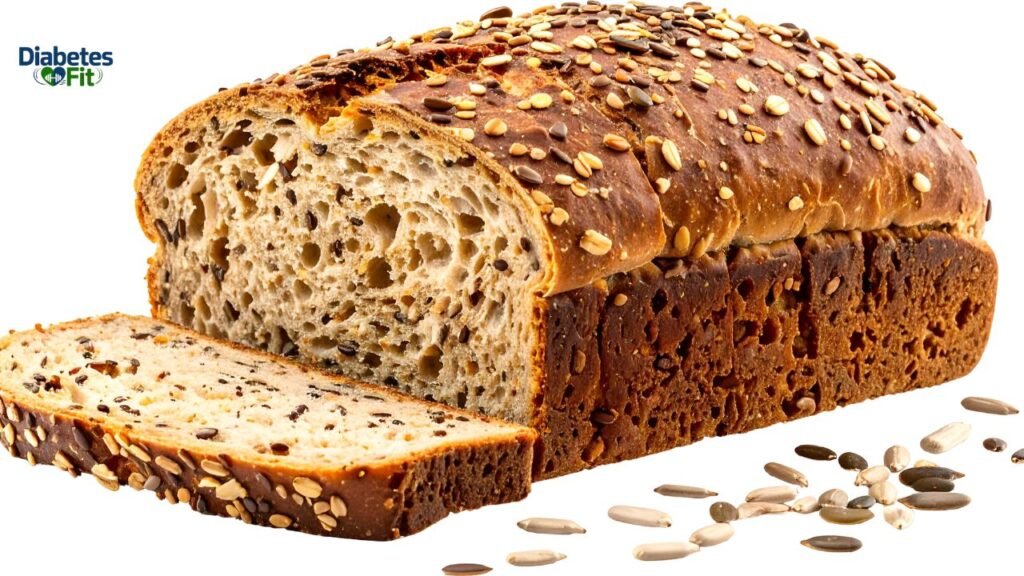
    1. Dave’s Killer Bread — Thin-Sliced 21 Whole Grains and Seeds

    Net carbs per slice: ~12g Fiber per slice: 3g Protein per slice: 5g Glycemic Index: Moderate-Low (~55) Diabetic Rating: ⭐⭐⭐⭐
    Best Low Carb Bread for Diabetics

    Dave’s Killer Bread is widely considered one of the better mainstream bread options for diabetics because of its whole grain composition, seed content, and meaningful protein and fiber levels. The thin-sliced version reduces the per-serving carb load compared to standard slices.

    Why it works for some diabetics:

    • Multiple whole grains and seeds slow digestion through varied fiber types
    • High protein content improves satiety and reduces post-meal blood sugar rise
    • Available in most major grocery stores without specialty shopping

    Important caveat: At 12g net carbs per slice, this is a moderate choice — not the lowest carb option available. Diabetics with strict carb limits (under 15g per meal) should consume only one slice or choose a lower-carb alternative.

    2. Nature’s Own Life 40 Calorie Honey Wheat

    Net carbs per slice: ~6g Fiber per slice: 3g Protein per slice: 3g Diabetic Rating: ⭐⭐⭐⭐

    Nature’s Own Life 40 Calorie bread achieves low net carbs through very thin slices combined with added inulin fiber. At 6g net carbs per slice, it’s one of the lower-carb mainstream commercial options.

    Benefits for diabetics:

    • Lower net carb count than most mainstream breads
    • Inulin (prebiotic fiber) feeds beneficial gut bacteria linked to improved insulin sensitivity
    • Widely available and affordable
    • Familiar texture that makes dietary transition easier

    Watch out for: The “honey wheat” flavoring — while the sugar content is low, some diabetics may notice a mild response.

    3. Sara Lee Delightful Honey Whole Wheat

    Net carbs per slice: ~7g Fiber per slice: 3g Protein per slice: 3g Diabetic Rating: ⭐⭐⭐⭐

    Another mainstream option that achieves lower net carbs through reduced slice thickness and added fiber. Sara Lee Delightful is a practical choice for diabetics transitioning away from regular bread who want a familiar taste and texture.

    Key features:

    • Available in virtually every grocery store
    • Familiar flavor profile reduces diet fatigue
    • 7g net carbs per slice is manageable within most diabetic carb targets
    • Whole grain first ingredient

    4. Sola Sweet and Buttery Bread

    Net carbs per slice: 2g Fiber per slice: 4g Protein per slice: 6g Glycemic Index: Very Low Diabetic Rating: ⭐⭐⭐⭐⭐

    Sola bread is specifically engineered for low-carb and diabetic-friendly eating. It achieves its remarkably low 2g net carbs through a combination of modified wheat starch and added fiber — while delivering a surprisingly bread-like texture that most low-carb alternatives lack.

    Why Sola ranks among the best low carb bread for diabetics:

    • Just 2g net carbs per slice — minimal blood sugar impact
    • 6g protein per slice — exceptional for a bread product
    • Texture genuinely resembles regular bread — high satisfaction
    • Multiple flavor varieties available

    Consideration: Modified wheat starch may cause mild digestive discomfort in sensitive individuals. Some diabetics report slightly higher blood sugar response than the net carb count suggests — individual testing is recommended.

    5. ThinSlim Foods Love-the-Taste Bread

    Net carbs per slice: 1g Fiber per slice: 9g Protein per slice: 8g Glycemic Index: Very Low Diabetic Rating: ⭐⭐⭐⭐⭐

    Best Low Carb Bread for Diabetics

    ThinSlim Foods produces some of the lowest-net-carb commercial breads available anywhere — achieving just 1g net carb per slice through an extremely high fiber and protein formulation. This makes it one of the best low carb bread options for diabetics following strict low-carb protocols.

    Why ThinSlim stands out:

    • 1g net carb per slice — virtually no blood sugar impact for most diabetics
    • 9g fiber per slice — exceptional digestive and blood sugar benefits
    • 8g protein per slice — highest protein content of any commercial bread on this list
    • Available online and increasingly in specialty health stores

    Texture note: Very high fiber content produces a denser texture than standard bread. Some people find this satisfying; others prefer softer alternatives. Toast it for the best results.

    6. Base Culture Original Keto Bread

    Net carbs per slice: 2g Fiber per slice: 2g Protein per slice: 6g Main Ingredients: Almond flour, eggs, arrowroot flour Diabetic Rating: ⭐⭐⭐⭐⭐

    Base Culture makes bread using almond flour and eggs as primary ingredients — creating a genuinely grain-free, low-carb option that’s particularly suitable for diabetics who also have gluten sensitivity.

    Benefits for diabetics:

    • Almond flour base provides healthy monounsaturated fat — supports insulin sensitivity
    • Grain-free — suitable for diabetics with celiac disease or gluten intolerance
    • Real whole food ingredients without modified starches
    • High protein from eggs and almond flour

    7. Julian Bakery Paleo Thin Bread

    Net carbs per slice: 1g Fiber per slice: 1g Protein per slice: 7g Main Ingredients: Egg whites, almond flour Diabetic Rating: ⭐⭐⭐⭐

    Julian Bakery produces bread primarily from egg whites and almond flour — achieving extremely low carb content with high protein. It’s one of the most protein-dense commercial bread options available.

    Why it works for diabetics:

    • 1g net carb per slice — negligible blood sugar impact
    • 7g protein per slice — powerful satiety effect
    • Clean, whole-food ingredient list
    • No modified starches or artificial additives

    Best Low Carb Bread for Diabetics: Homemade Recipes

    While store-bought options provide convenience, homemade low carb bread gives you complete control over every ingredient, making it the ultimate best low carb bread for diabetics option for those willing to bake.

    Best Low Carb Bread for Diabetics

    Recipe 1: Almond Flour Sandwich Bread

    Net carbs per slice: ~3g Fiber per slice: 2g Protein per slice: 7g

    This is the most popular and versatile homemade best low carb bread for diabetics — it slices well, toasts beautifully, and provides a texture surprisingly close to conventional sandwich bread.

    Ingredients (makes 12 slices):

    • 3 cups (288g) almond flour (fine blanched — not almond meal)
    • 5 large eggs
    • ¼ cup melted coconut oil or butter
    • 1 tablespoon apple cider vinegar
    • ½ teaspoon baking soda
    • ¼ teaspoon sea salt
    • Optional: 2 tablespoons psyllium husk powder (adds fiber and improves texture)

    Instructions:

    • Preheat oven to 175°C (350°F)
    • Whisk eggs, oil, and vinegar together in a large bowl
    • Add almond flour, baking soda, salt, and psyllium husk — mix until a smooth batter forms
    • Pour into a greased standard loaf pan (8×4 inch)
    • Bake for 30–35 minutes until a toothpick comes out clean
    • Cool completely before slicing — it slices much better cold
    • Store refrigerated up to 5 days, or freeze sliced for up to 3 months

    Why this is excellent for diabetics: Almond flour has a glycemic index of essentially zero. The healthy fats and protein in almonds and eggs slow down glucose absorption dramatically.

    Recipe 2: Seed Bread (Scandinavian Style)

    Net carbs per slice: ~2g Fiber per slice: 5g Protein per slice: 6g

    This grain-free, seed-based bread is among the most nutritious, best low-carb bread for diabetics recipes — delivering extraordinary fiber content from multiple seed varieties.

    Ingredients (makes 15 slices):

    • ½ cup sunflower seeds
    • ½ cup pumpkin seeds
    • ¼ cup flaxseeds (whole or ground)
    • ¼ cup sesame seeds
    • ¼ cup chia seeds
    • 2 tablespoons psyllium husk powder (essential for binding)
    • ½ cup rolled oats (optional — adds 3g extra carbs per slice if included)
    • 1 teaspoon sea salt
    • 1 tablespoon maple syrup or honey (optional — for flavor only, tiny amount per slice)
    • 1.5 tablespoons olive oil
    • 350ml warm water

    Instructions:

    • Mix all dry ingredients in a large bowl
    • Add oil and water — stir thoroughly until everything is combined
    • Press into a lined 8×4-inch loaf pan
    • Let sit for at least 2 hours (or overnight in the refrigerator) — psyllium and chia need time to absorb water and bind the bread
    • Bake at 175°C (350°F) for 20 minutes, then remove from pan, place on baking rack, and bake for a further 30–40 minutes
    • Cool completely before slicing

    Why this is exceptional for diabetics: Multiple seed varieties provide different fiber types — both soluble and insoluble — creating a comprehensive blood sugar protective effect. The omega-3 fatty acids from flaxseed and chia also improve insulin sensitivity over time.

    Recipe 3: Coconut Flour Bread

    Net carbs per slice: ~2g Fiber per slice: 3g Protein per slice: 4g

    Coconut flour is extraordinarily high in fiber, making it one of the best low-carb flour options for diabetics. However, it absorbs an enormous amount of liquid, requiring a different formulation than other low-carb breads.

    Ingredients (makes 10 slices):

    • ½ cup (56g) coconut flour
    • 6 large eggs
    • ¼ cup melted butter or coconut oil
    • ¼ teaspoon baking powder
    • ¼ teaspoon sea salt
    • Optional: herbs (rosemary, thyme), cheese, or garlic powder for flavor

    Instructions:

    • Preheat oven to 180°C (350°F)
    • Whisk eggs and oil together
    • Add coconut flour, baking powder, and salt — mix thoroughly (coconut flour clumps — ensure no dry lumps remain)
    • Pour into a greased small loaf pan (7×3 inch)
    • Bake 35–40 minutes until golden and the toothpick comes out clean
    • Cool 15 minutes in the pan before removing, then cool completely before slicing

    Recipe 4: Cloud Bread (Egg-Based, Zero Carb)

    Net carbs per slice: ~0.5g Fiber per slice: 0g Protein per slice: 5g

    Cloud bread is the most extreme low-carb option — essentially made from eggs and cream cheese with no flour whatsoever. It’s not a true bread in texture, but it functions as a sandwich base and delivers essentially zero blood sugar impact.

    Ingredients (makes 6 rounds):

    • 3 large eggs, separated
    • 3 tablespoons cream cheese (softened)
    • ¼ teaspoon cream of tartar
    • Optional: pinch of salt, garlic powder, herbs

    Instructions:

    • Preheat oven to 150°C (300°F)
    • Beat egg whites with cream of tartar until stiff peaks form
    • Separately beat egg yolks with cream cheese until smooth
    • Gently fold egg yolk mixture into whites — don’t overmix
    • Spoon into 6 rounds on parchment-lined baking sheets
    • Bake 25–30 minutes until golden
    • Cool on the rack — they firm up as they cool

    Comparing the Best Low Carb Bread for Diabetics

    Store-Bought Options

    BrandNet Carbs/SliceFiberProteinBest ForAvailability
    ThinSlim Foods1g9g8gStrictest low-carbOnline
    Julian Bakery Paleo Thin1g1g7gGrain-free diabeticsHealth stores
    Sola Sweet and Buttery2g4g6gEveryday eatingOnline, some stores
    Base Culture Keto2g2g6gGrain-free, gluten-freeHealth stores
    Nature’s Own Life6g3g3gMainstream groceryAll grocery stores
    Sara Lee Delightful7g3g3gTransition breadAll grocery stores
    Dave’s Killer Thin12g3g5gModerate restrictionAll grocery stores

    Homemade Options

    RecipeNet Carbs/SliceFiberProteinBest Feature
    Cloud bread0.5g0g5gZero carbs, zero flour
    Seed bread2g5g6gHighest fiber, omega-3s
    Almond flour bread3g2g7gBest sandwich texture
    Coconut flour bread2g3g4gHigh fiber, affordable

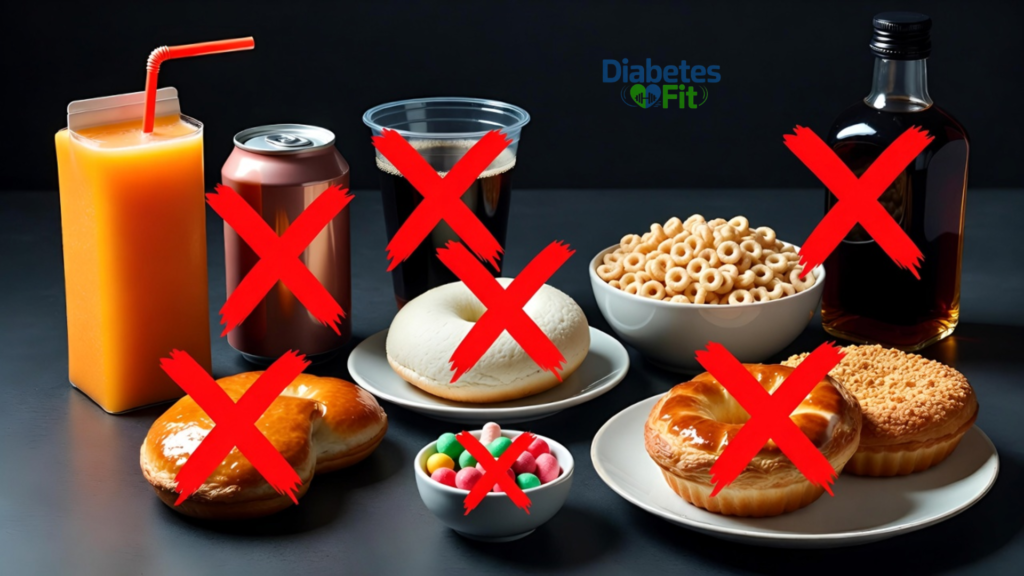
    Breads Diabetics Should Avoid

    Bread TypeNet Carbs/SliceGIReason to Avoid
    White bread14g70–85Highest GI, refined flour, minimal fiber
    Sourdough11–13g53–68Still high carb despite lower GI
    Whole wheat12–14g68–74Better than white, but still significantly elevates blood sugar
    Multigrain12–15g65–75Marketing often misleads — usually refined with added seeds
    Bagels48–55g72Enormous carb load — equivalent to 3–4 slices of bread
    Croissants26g67High fat + high carb combination
    Commercial rye14–17g65–80High carb unless it’s specifically dense, dark rye
    Gluten-free bread18–25g75–90Often HIGHER GI than regular bread — rice flour raises blood sugar faster

    Important note on gluten-free bread: Many diabetics assume gluten-free bread is safer for blood sugar. This is often incorrect. Most gluten-free commercial breads use rice flour, tapioca flour, and potato starch — all of which have high glycemic indexes (80–95+) and raise blood sugar faster than regular wheat bread. Gluten-free is not the same as low-carb for diabetics.

    Practical Tips for Eating Low Carb Bread With Diabetes

    Examine your own reaction: Each diabetic has a unique blood sugar reaction to carbs. Test your blood sugar one and two hours after consuming the bread of your choice using a glucometer or continuous glucose monitor (CGM). Any broad advice is not as important as this personal information.

    Bread’s glycemic impact is highest when it is consumed alone, so pair it with fat and protein. It significantly delays the absorption of carbohydrates and lowers the rise in blood sugar after a meal when combined with fat (avocado, olive oil, butter) and protein (eggs, tuna, turkey).

    The best bread toppings for diabetics:

    • Eggs and avocado (good fat + protein)
    • Greek yogurt is used in place of mayo in this tuna salad.
    • Almond butter (varieties without added sugar)
    • Cucumber slices and cream cheese
    • Cream cheese and smoked salmon
    • Lettuce and chicken or turkey

    Limit to one serving: Even the greatest low-carb bread for diabetes should be eaten in moderation. The carb load is kept under control by eating one slice—not two—at a meal.

    Toasting bread causes a minor increase in its resistant starch content, which slows the absorption of glucose by acting more like fiber in the digestive system.

    Time your bread intake: When insulin sensitivity is higher in the morning and early afternoon, carbohydrate tolerance is typically better. When bread is eaten for breakfast, the blood sugar surge is usually less than when it is eaten for dinner.

    How to Read Bread Labels as a Diabetic

    Step 1: Check the serving size first. Many bread manufacturers use unrealistically small slice sizes (20–25g) to make the carb count look lower. Check if this matches how you actually eat the bread.

    Best Low Carb Bread for Diabetics

    Step 2: Calculate net carbs. Total Carbohydrates − Dietary Fiber = Net Carbs. This is the number that matters for blood sugar.

    Step 3: Check the first ingredient. It should be a whole grain or alternative flour — not “enriched wheat flour,” which is essentially white flour with added vitamins.

    Step 4: Check added sugar. It should be under 2g per serving. Check the ingredients for disguised sugars: corn syrup, dextrose, maltodextrin, fructose, evaporated cane juice.

    Step 5: Verify fiber content. Minimum 3g fiber per slice for meaningful blood sugar protection.

    Frequently Asked Questions 

    What is the best low carb bread for diabetics to buy at grocery stores?

    For mainstream grocery stores, the best low carb bread for diabetics available without specialty shopping includes Nature’s Own Life 40 Calorie (6g net carbs), Sara Lee Delightful Honey Whole Wheat (7g net carbs), and Dave’s Killer Bread Thin-Sliced (12g net carbs — moderate choice). For specialty health stores or online ordering, ThinSlim Foods (1g net carb), Sola Sweet and Buttery (2g net carbs), and Base Culture Keto Bread (2g net carbs) are the top-rated choices among people managing diabetes.

    Is sourdough bread good for diabetics?

    Sourdough is better than white bread for diabetics because the fermentation process partially breaks down starches and creates organic acids that slow glucose absorption — giving it a lower GI than regular bread (approximately 53–68 vs 70–85). However, sourdough still contains 11–14g of net carbs per slice and does raise blood sugar meaningfully. It’s a better choice than white or whole wheat bread — but it doesn’t qualify as the best low carb bread for diabetics. If you enjoy sourdough, limit to one slice and pair with protein and fat.

    Can diabetics eat bread made with almond flour? 

    Yes — almond flour bread is one of the best low carb bread options for diabetics. Almond flour has an essentially zero glycemic index, is rich in healthy monounsaturated fat and vitamin E, and provides protein and fiber that help stabilize blood sugar. Homemade almond flour bread typically contains 2–4g of net carbs per slice — dramatically less than conventional bread. When paired with protein toppings, almond flour bread has a minimal blood sugar impact for most diabetics.

    Is Ezekiel bread good for diabetics? 

    Ezekiel bread — made from sprouted whole grains — is one of the better conventional bread options for diabetics, with a lower GI (approximately 36–40) than most commercial breads. However, it still contains approximately 12–15g of net carbs per slice and does raise blood sugar. For diabetics with strict carb management, Ezekiel bread is a moderate choice — better than white or whole wheat, but not as blood sugar-safe as true low carb options like almond flour or seed bread. One slice of Ezekiel paired with protein and fat can work within a diabetic meal plan.

    How many slices of low-carb bread can a diabetic eat per day? 

    Most diabetics can safely include 1–2 slices of the best low carb bread for diabetics per day, depending on their total daily carbohydrate target (set with their doctor or dietitian) and the specific bread’s net carb content. For breads with 1–3g net carbs per slice (ThinSlim, cloud bread, almond flour), 2 slices provide only 2–6g net carbs — easily manageable. For breads with 6–12g net carbs per slice, most diabetics should limit to 1 slice at any meal. Always test your blood sugar response to determine your personal optimal serving size.

    Is gluten-free bread safe for diabetics? 

    Gluten-free bread is often NOT better for blood sugar than regular bread — and is frequently worse. Most commercial gluten-free breads use rice flour, tapioca starch, and potato starch as primary ingredients — all of which have very high glycemic indexes (80–95+) that raise blood sugar faster than white bread. Gluten-free does not mean low-carb. Diabetics with celiac disease or gluten intolerance who need gluten-free bread should choose grain-free alternatives made from almond flour, coconut flour, or seeds — which are both gluten-free AND genuinely low carb.

    What flour is best for making homemade diabetic bread? 

    The best flours for homemade low carb bread for diabetics are: almond flour (GI ~0, highest fat and protein content — best overall), coconut flour (extremely high fiber, absorbs a lot of liquid — use in smaller quantities), flaxseed meal (GI ~35, high in omega-3s and fiber), and psyllium husk powder (virtually pure soluble fiber — used as a binding agent rather than primary flour). Combining these — such as almond flour as the base with psyllium husk for binding — creates the best texture and nutritional profile for diabetic-safe homemade bread.

    Conclusion

    Bread deprivation is not a permanent part of managing diabetes. The greatest commercial and handmade low-carb bread options have significantly improved in recent years, offering really wonderful bread experiences with a fraction of the blood-sugar impact of regular bread.

    The secret is to know what you are eating, test your own blood sugar response, and always read labels rather than taking front-of-package health claims at face value, whether you choose ThinSlim Foods for convenience, make your own almond flour sandwich bread on Sundays, or settle for a single slice of Nature’s Own Life on hectic mornings.

    The ideal low-carb bread for diabetics meets your blood sugar control goals, your taste preferences, and your carb budget while making your daily diet feel fulfilling and sustainable rather than restrictive and punishing. You can have both with the choices in this guide.

    Are you prepared to change? Begin this week. This weekend, make some almond flour bread or try one of the store-bought options on this list. One to two hours after ingesting it, check your blood sugar. Choose bread that suits your body, and savor each bite with the knowledge that it is enhancing rather than detracting from your health.

    Disclaimer: This article should not be used in place of expert medical advice; it is just meant to be informative. For individualized nutritional advice, always visit your physician, endocrinologist, or registered dietitian, particularly if you are using insulin or medication to manage your diabetes.

    For more information, read the post from Season Health.

  • Ice Cream for Diabetics: Yes, You Can Still Enjoy It — Here’s How to Do It Safely

    Ice Cream for Diabetics: Yes, You Can Still Enjoy It — Here’s How to Do It Safely

    One of the hardest things about living with diabetes is feeling like your favorite foods are completely off-limits. And for many people, ice cream sits right at the top of that “forbidden” list. But here’s the truth — ice cream for diabetics doesn’t have to be a guilty dream or a health disaster. With the right choices, the right portions, and a little know-how, people with diabetes can absolutely enjoy frozen treats without sending their blood sugar through the roof.

    This isn’t about pretending sugar doesn’t matter. It absolutely does. But blanket rules like “never eat ice cream again” miss the nuance of how different ingredients, portion sizes, and eating habits affect blood sugar differently for each person.

    In this guide, you’ll learn exactly what to look for when choosing ice cream as a diabetic, which brands are safest, what to avoid, how to make blood-sugar-friendly versions at home, and how to enjoy them without regret.

    If you want to reverse prediabetes with diet, read our post on diet to reverse prediabetes.

    Why Ice Cream Is Tricky for Diabetics

    Before we talk about the best ice cream for diabetics, it’s worth understanding why traditional ice cream is a challenge in the first place.

    Standard ice cream is made from a combination of:

    • Whole milk or cream — high in saturated fat and calories
    • Sugar — the primary blood sugar concern
    • Flavoring agents — often including more sugar in syrups, mix-ins, and coatings

    A typical half-cup serving of regular vanilla ice cream contains around 15–20 grams of carbohydrates — almost all from sugar. Many premium or flavored varieties have 30–40+ grams per serving. And let’s be honest: very few people stop at half a cup.

    For someone with diabetes, a large carbohydrate load — especially from refined sugar — causes a fast, sharp rise in blood glucose. This strains the pancreas, can worsen insulin resistance over time, and makes blood sugar management much harder.

    But here’s the thing: not all ice cream is the same. And how you eat it matters just as much as what you eat.

    What to Look for When Choosing Ice Cream for Diabetics

    Knowing how to read labels is the single most important skill for any diabetic choosing ice cream. Here’s exactly what to look for:

    Ice Cream for Diabetics

    1. Total Carbohydrates Per Serving

    This is your most important number. As a general guide:

    • Under 15g carbs per serving — good choice
    • 15–20g carbs per serving — manageable with careful portion control
    • Over 25g carbs per serving — avoid or treat as a very occasional indulgence

    Always check the serving size listed. A “serving” is often just ½ cup — much smaller than most people actually eat.

    2. Added Sugar vs. Total Sugar

    Look at the “Added Sugars” line on the nutrition label, not just total sugars. Some natural sugars come from dairy (lactose), which has a lower glycemic impact than added cane sugar, corn syrup, or glucose syrup.

    Aim for ice creams with:

    • 5g or fewer added sugars per serving
    • No high-fructose corn syrup
    • No glucose syrup or maltodextrin (these spike blood sugar rapidly)

    3. Sugar Substitutes and Sweeteners

    Many diabetic-friendly ice creams use alternative sweeteners instead of sugar. Understanding these is key:

    SweetenerBlood Sugar ImpactNotes
    ErythritolMinimal (GI = 0)Best option — well tolerated
    SteviaNoneNatural, safe for diabetics
    Monk fruitNoneNatural, no blood sugar effect
    AlluloseVery lowDoesn’t count toward net carbs
    XylitolLow (GI = 13)Safe but causes digestive issues in large amounts
    MaltitolModerate (GI = 36)Still raises blood sugar — use caution
    SorbitolLow-moderateCan cause GI discomfort

    Best choices: Erythritol, stevia, monk fruit, and allulose are the gold-standard sweeteners for ice cream for diabetics.

    Watch out for: Maltitol — it’s commonly used in “sugar-free” ice creams and still raises blood sugar more than most people expect. Many “no sugar added” products use maltitol, so always check the label carefully.

    4. Protein Content

    Protein slows the absorption of glucose and blunts blood sugar spikes. Ice cream with higher protein content — from added protein, Greek yogurt, or cottage cheese bases — is better for blood sugar than pure cream-based products.

    Look for ice creams with 5g or more protein per serving.

    5. Fiber Content

    Dietary fiber slows digestion and reduces the glycemic impact of a meal. Some diabetic-friendly ice creams add fiber (often chicory root or inulin). This is a genuine plus.

    Check for ice creams with 2g or more of fiber per serving.

    6. Fat Content

    Fat also slows glucose absorption, which is why full-fat dairy ice cream actually has a gentler blood sugar impact than low-fat or fat-free versions (which often have more sugar to compensate for flavor). Don’t be afraid of moderate fat content in diabetic-friendly ice cream.

    Best Ice Cream Brands for Diabetics

    Here are some of the most diabetes-friendly commercially available ice cream options, based on their ingredients, sweeteners, carbohydrate content, and overall nutritional profile:

    Ice Cream for Diabetics

    Top Recommended Brands

    1. Halo Top

    • Sweetened with stevia and erythritol
    • Around 5–7g net carbs per serving
    • 5–6g protein per serving
    • Widely available and comes in many flavors
    • A solid everyday option for diabetic ice cream lovers

    2. Enlightened

    • Uses erythritol, stevia, and monk fruit
    • 5–8g net carbs per serving
    • Up to 8g protein per serving
    • Good fiber content from added chicory root
    • One of the cleanest labels in the diabetic ice cream category

    3. Rebel Ice Cream

    • Specifically marketed toward keto and low-carb lifestyles
    • Uses erythritol and stevia
    • Only 1–5g net carbs per serving (subtracting fiber and erythritol)
    • High fat content for a slow, stable energy release
    • Excellent choice for diabetics who follow a low-carb approach

    4. Breyers Carb Smart

    • Sweetened with maltitol and sorbitol (note: still some blood sugar effect)
    • Around 9–12g carbs per serving
    • More widely available in mainstream grocery stores
    • A reasonable choice, but not as blood-sugar-friendly as erythritol-based options

    5. So Delicious (No Sugar Added)

    • Dairy-free option sweetened with erythritol and stevia
    • Good for diabetics who are also lactose intolerant
    • Around 6–10g net carbs per serving
    • Made with a coconut milk base — good, healthy fat profile

    6. Arctic Zero

    • Very low-calorie and low-carb
    • Sweetened with monk fruit and chicory root fiber
    • Around 6–8g carbs per serving
    • Good protein content
    • Lighter texture than traditional ice cream

    Diabetic Ice Cream Comparison Table

    BrandNet Carbs/ServingSweetener UsedProteinDairy-Free Option
    Rebel1–5gErythritol, Stevia2–3gNo
    Enlightened5–8gErythritol, Monk fruit6–8gSome flavors
    Halo Top5–7gErythritol, Stevia5–6gSome flavors
    So Delicious (NSA)6–10gErythritol, Stevia1–2gYes
    Arctic Zero6–8gMonk fruit3–4gNo
    Breyers CarbSmart9–12gMaltitol, Sorbitol2–3gNo

    What to Absolutely Avoid: Ice Cream That’s Worst for Diabetics

    Not all “diet” or “light” ice creams are safe for diabetics. And some regular ice creams are particularly dangerous. Watch out for:

    Ice Cream for Diabetics
    • Soft-serve ice cream — typically made with lower fat content and more sugar than hard ice cream; large portions are the norm
    • Ice cream sundaes with toppings — hot fudge, caramel sauce, and whipped cream add 20–40g extra carbs on top of the base
    • Milkshakes and blended coffee ice cream drinks can contain 70–100+ grams of sugar in a single serving
    • Ice cream bars with chocolate coatings — the chocolate shell adds significant carbs and often contains maltodextrin
    • “Fat-free” ice creams — usually higher in sugar than full-fat versions to compensate for flavor loss
    • Tropical flavors with mango, banana, or pineapple — these fruits are higher in natural sugar and can significantly raise the carb count
    • Premium ice creams (Ben & Jerry’s, Häagen-Dazs) — typically 25–35g carbs or more per ½ cup serving

    The general rule: the more ingredients listed (especially syrups, inclusions, ribbons, and mix-ins), the higher the carb count.

    Healthier Alternatives to Traditional Ice Cream for Diabetics

    Sometimes the best ice cream for diabetics isn’t technically ice cream at all. These alternatives satisfy the same craving with far fewer carbohydrates:

    Nice Cream (Frozen Banana-Free Version)

    Traditional “nice cream” is made with frozen bananas, which are still relatively high in sugar. A better version:

    • Freeze a can of full-fat coconut milk overnight, then whip it into a creamy base
    • Add unsweetened cocoa powder, vanilla, or berries for flavor
    • Sweeten with stevia or monk fruit drops
    • Result: Rich, creamy, under 5g net carbs per serving

    Frozen Greek Yogurt Bark

    • Spread plain Greek yogurt on a parchment-lined tray
    • Top with fresh berries, crushed almonds, and a drizzle of nut butter
    • Freeze for 3–4 hours, then break into pieces
    • Around 8–10g carbs per serving with 10–12g protein
    • Much more blood-sugar-friendly than regular ice cream

    Avocado Chocolate Ice Cream

    Sounds unusual, but avocado creates an incredibly creamy base:

    • Blend 2 ripe avocados with 3 tbsp unsweetened cocoa powder
    • Add 3–4 tbsp almond milk and sweetener to taste (stevia or erythritol)
    • Add a pinch of salt and a splash of vanilla extract
    • Freeze for 2 hours, then blend again for a smooth texture
    • Very low in carbs, rich in healthy fats, and surprisingly delicious

    Cottage Cheese Ice Cream

    A viral trend that’s genuinely diabetic-friendly:

    • Blend 1 cup of full-fat cottage cheese until completely smooth
    • Add frozen berries and sweetener to taste
    • Blend again until creamy
    • Freeze for 1–2 hours
    • Around 8–10g carbs, 15–18g protein per serving
    • Protein content makes this one of the best blood-sugar-stable options

    How to Eat Ice Cream as a Diabetic Without Spiking Blood Sugar

    Choosing the right ice cream for diabetics is important — but how you eat it matters just as much. These strategies help blunt the blood sugar impact:

    Ice Cream for Diabetics

    Eat It After a Balanced Meal, Not as a Standalone Snack

    Eating ice cream on an empty stomach causes a faster, more dramatic blood sugar spike. When eaten after a meal rich in protein, fiber, and fat, the glucose from ice cream is absorbed much more slowly.

    Keep Portions Strictly in Check

    Use a proper measuring cup. Eat exactly half a cup. Put the container back in the freezer before you sit down. This simple habit prevents the “just one more scoop” spiral that turns a reasonable treat into a blood sugar disaster.

    Pair It with Protein or Fat

    Adding a tablespoon of almond butter or a small handful of nuts alongside your ice cream further slows glucose absorption. The fat and protein create a buffer that blunts the spike.

    Walk After Eating

    A 10–15 minute walk immediately after eating ice cream (or any higher-carb food) can reduce post-meal blood sugar by 20–30%. Your muscles absorb glucose directly during movement, independent of insulin.

    Check Your Blood Sugar

    Everyone responds differently to different ice creams and sweeteners. Testing your blood glucose 1–2 hours after eating a new product tells you exactly how your body responds — far more useful than any general guideline.

    Choose Evenings Wisely

    Many diabetics find their insulin sensitivity is lower in the evening, making blood sugar spikes more pronounced. If possible, enjoy ice cream as an afternoon treat rather than a late-night snack.

    Homemade Diabetic-Friendly Ice Cream Recipes

    Making your own ice cream gives you complete control over ingredients. Here are two simple, tested recipes:

    Ice Cream for Diabetics

    Recipe 1: Vanilla Almond Milk Ice Cream

    Ingredients:

    • 2 cups unsweetened almond milk
    • 1 cup heavy cream
    • 3 tbsp erythritol or allulose
    • 1 tsp vanilla extract
    • Pinch of salt

    Instructions:

    • Whisk all ingredients together until the sweetener dissolves
    • Pour into an ice cream maker and churn according to the manufacturer’s directions (about 20–25 minutes)
    • Transfer to a container and freeze for 2 hours for a firmer texture
    • Serve in ½ cup portions

    Per serving: approximately 4g net carbs, 8g fat, 1g protein

    Recipe 2: Chocolate Peanut Butter Protein Ice Cream

    Ingredients:

    • 1 cup plain Greek yogurt (full-fat)
    • ½ cup unsweetened almond milk
    • 2 tbsp natural peanut butter (no added sugar)
    • 2 tbsp unsweetened cocoa powder
    • 2–3 tbsp allulose or stevia blend to taste
    • 1 tsp vanilla extract

    Instructions:

    • Blend all ingredients until smooth
    • Pour into a loaf pan or container
    • Freeze for 3–4 hours, stirring once at the halfway mark
    • Scoop and serve

    Per serving: approximately 7g net carbs, 10g protein, 9g fat — excellent macros for diabetic ice cream

    Tips for Talking to Your Doctor About Ice Cream

    Here are some crucial things to talk about with your healthcare provider if you are using insulin or medicine to manage your diabetes:

    • Find out how many carbohydrates you spend on each snack; this changes based on your type of diabetes, medication, and blood sugar regulation.
    • Talk about how sweeteners like erythritol and allulose affect your personal reaction; while most individuals can tolerate them quite well, individual responses can vary.
    • Ask about accounting for the carbohydrates in ice cream when calculating your dose if you need insulin; even low-carb alternatives have some carbohydrates that must be taken into consideration.
    • Request a referral to a licensed dietitian with expertise in diabetes; they may design a completely customized food plan that allows for indulgences like diabetic-friendly ice cream.

    Frequently Asked Questions

    Can diabetics eat ice cream at all?

    Yes — diabetics can eat ice cream in moderation, especially when choosing varieties that are low in added sugar and carbohydrates. The key is selecting products sweetened with blood-sugar-neutral sweeteners like erythritol, stevia, or monk fruit, controlling portion sizes strictly (½ cup), and eating ice cream after a balanced meal rather than on its own. With the right approach, enjoying ice cream as a diabetic is genuinely possible without dangerous blood sugar spikes.

    What is the best ice cream for type 2 diabetics?

    The best ice cream options for type 2 diabetics are those sweetened with erythritol, stevia, or monk fruit — such as Rebel Ice Cream, Enlightened, and Halo Top. These brands have 5g or fewer net carbs per serving, contain no high-fructose corn syrup or maltodextrin, and often include added protein and fiber that further blunt blood sugar impact. Homemade versions using Greek yogurt or cottage cheese as a base are also excellent choices.

    Is sugar-free ice cream safe for diabetics?

    “Sugar-free” doesn’t automatically mean safe for diabetics. Many sugar-free ice creams are sweetened with maltitol — a sugar alcohol that still raises blood sugar, just more slowly than regular sugar. Always read the full ingredient list. True diabetic-friendly ice cream uses erythritol, stevia, allulose, or monk fruit — sweeteners with little to no effect on blood glucose. Check the nutrition label, not just the “sugar-free” claim on the front of the package.

    How much ice cream can a diabetic eat per day?

    A safe guideline for most diabetics is one serving (½ cup or about 65–70g) of a low-carb, diabetic-friendly ice cream — ideally no more than 3–4 times per week as part of a balanced diet. Daily consumption is possible with very low-carb options like Rebel Ice Cream, but moderation and blood sugar monitoring are always important. Your individual carb tolerance should guide your portion, and checking your blood glucose response to a new product is the most accurate way to set your personal limit.

    Does ice cream raise blood sugar a lot?

    Regular ice cream raises blood sugar significantly — a standard serving can spike blood glucose by 40–60 mg/dL or more in people with diabetes. However, diabetic-friendly ice creams made with erythritol and stevia cause minimal blood sugar impact. The fat content in ice cream actually slows glucose absorption somewhat compared to other sugary foods. Eating ice cream after a protein and fiber-rich meal, and walking afterward, can further reduce the blood sugar impact.

    Is frozen yogurt better than ice cream for diabetics?

    Not necessarily — and sometimes it’s worse. Regular frozen yogurt is often marketed as a healthier option, but many commercial versions contain more sugar than ice cream. They’re also lower in fat, which means glucose is absorbed faster. Plain Greek yogurt frozen at home is an excellent diabetic-friendly option because of its high protein content. Commercial frozen yogurt should be treated the same as regular ice cream — read the label carefully and stick to small portions.

    Can ice cream be part of a diabetic meal plan?

    Yes — when chosen carefully and eaten in appropriate portions, ice cream for diabetics can be part of a sustainable, enjoyable meal plan. Treating it as an occasional, planned treat — rather than a daily staple — works best. A registered dietitian can help you build a diabetes meal plan that includes room for foods you love, including low-carb frozen desserts, so that healthy eating feels sustainable long-term rather than restrictive and miserable.

    Conclusion

    Diabetes does not imply a life devoid of enjoyment at the dinner table or in the dessert bowl. If you know what you are searching for, which brands to trust, which ingredients to avoid, and how to consume it so that your blood sugar stays constant, you can definitely have ice cream for diabetics.

    The most crucial lessons are to choose ice cream sweetened with erythritol, stevia, or monk fruit, limit quantities to half a cup, eat it after a well-balanced meal, and then take a short walk. With diabetes, these easy practices transform what seems like a banned indulgence into an occasional, truly joyful aspect of your life.

    You are worthy of eating. At a summer BBQ or a birthday celebration, you deserve to feel normal. You never have to feel totally excluded from life’s little, delightful moments if you choose the correct ice cream for diabetics or make your own at home.

    This week, choose one low-carb brand from our recommendations, measure out a suitable piece, and check your blood sugar response. You might be surprised to learn that knowledge is power.

    Also, read this post from EatingWell for more detailed information.

  • 6 Foods That Prevent Diabetes: Simple Eating Habits That Could Save Your Life

    6 Foods That Prevent Diabetes: Simple Eating Habits That Could Save Your Life

    One of the most prevalent chronic illnesses in the world today is type 2 diabetes, and its prevalence is rising quickly. However, the majority of people are unaware that their daily diet has a significant impact on whether or not they get it. According to research, eating the correct foods can preserve your pancreas, lower blood sugar, and dramatically cut your risk of developing diabetes. Because of this, being aware of the six foods that prevent diabetes may actually change your life.

    You do not have to give up everything you love or adhere to a strict diet. Small, regular adjustments can have a significant impact, particularly when the correct meals are added. This guide is for you whether you have a family history of diabetes, are pre-diabetic, or just want to safeguard your health.

    Now, let us get started.

    Also, know about the best chips for diabetics for a better diet.

    What Is Type 2 Diabetes and Why Does Food Matter?

    Diabetes type 2 is caused by either insufficient insulin production or improper insulin use. The hormone insulin facilitates the transfer of glucose, or sugar, from your blood into your cells for use as fuel.

    When this system malfunctions, blood sugar levels remain excessively high for extended periods of time, which over time harms your heart, kidneys, blood vessels, nerves, and eyes.

    The crucial point is that eating directly regulates blood sugar levels. Your insulin sensitivity is either improved or worsened by each meal you eat. Certain foods cause your blood sugar to rise quickly, requiring your pancreas to work harder. Others promote optimal insulin action, lower inflammation, and maintain stable blood sugar levels.

    The six foods that prevent diabetes operate with your body’s natural mechanisms rather than against them, which is precisely why they are so effective.

    The 6 Foods That Prevent Diabetes (Backed by Science)

    1. Leafy Green Vegetables

    Leafy greens — think spinach, kale, collard greens, Swiss chard, and arugula — are among the most powerful foods that prevent diabetes. They are low in calories, very low in digestible carbohydrates, and loaded with nutrients your body needs.

    Foods That Prevent Diabetes

    Why they work:

    • They’re rich in magnesium, a mineral that plays a direct role in insulin secretion. Low magnesium levels are strongly linked to a higher risk of type 2 diabetes.
    • They contain alpha-lipoic acid, an antioxidant that helps improve insulin sensitivity.
    • A large study published in the British Medical Journal found that people who ate the most leafy green vegetables had a 14% lower risk of developing type 2 diabetes compared to those who ate the least.

    Easy ways to eat more:

    • Add spinach to smoothies (you won’t taste it)
    • Use kale as a base for salads
    • Stir-fry greens with garlic and olive oil as a side dish
    • Add chopped Swiss chard to soups and stews

    2. Fatty Fish

    Fatty fish like salmon, mackerel, sardines, tuna, and herring are among the top foods that help prevent diabetes — especially when they replace processed or red meat in your diet.

    Why they work:

    • They’re packed with omega-3 fatty acids (EPA and DHA), which reduce inflammation. Chronic inflammation is one of the key drivers behind insulin resistance.
    • Protein in fish slows digestion and prevents sharp blood sugar spikes after meals.
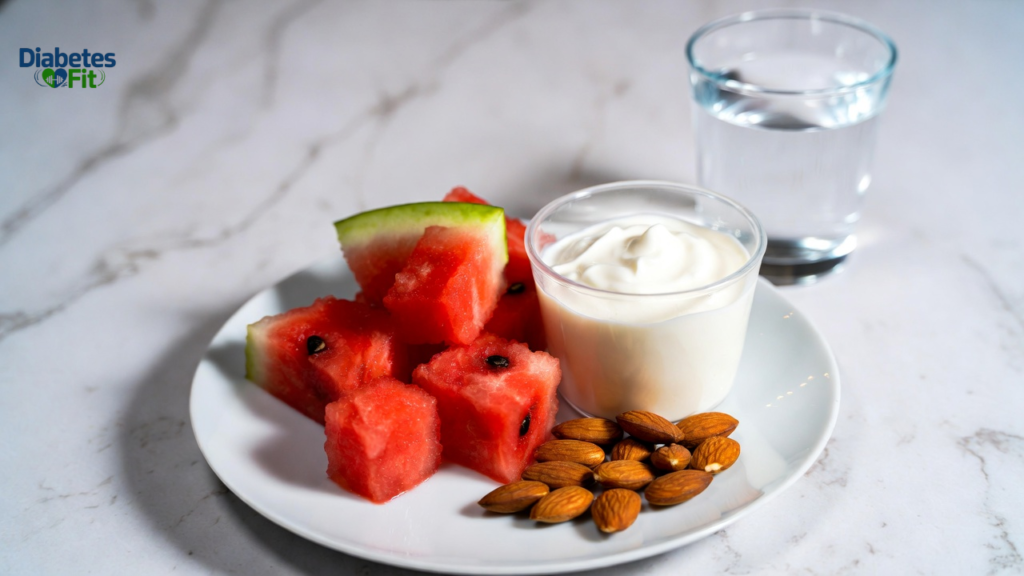
    • Regular fish consumption is associated with lower levels of inflammatory markers like C-reactive protein (CRP), which are elevated in people with type 2 diabetes.
    • Fish provides vitamin D, and low vitamin D levels are consistently linked with higher diabetes risk.

    How much to eat: Aim for at least 2 servings (about 3.5 oz each) of fatty fish per week, as recommended by the American Heart Association.

    Best cooking methods: Baked, grilled, or poached — avoid deep frying, which adds unhealthy fats and calories.

    3. Whole Grains

    Not all carbohydrates are bad for blood sugar. Whole grains are one of the most researched and reliable foods that prevent diabetes. The key difference between whole grains and refined grains lies in the fiber content.

    Whole grains to eat:

    • Oats (especially steel-cut or rolled)
    • Brown rice
    • Quinoa
    • Barley
    • Whole wheat bread and pasta
    • Millet

    Why they work:

    • Whole grains are digested slowly because of their high fiber content. Slow digestion = gradual release of glucose = stable blood sugar.
    • They have a lower glycemic index (GI) than refined grains, meaning they don’t cause rapid blood sugar spikes.
    • Oats in particular contain beta-glucan, a type of soluble fiber shown in multiple studies to improve insulin sensitivity and reduce post-meal blood sugar.
    • A Harvard School of Public Health study found that eating 2 servings of whole grains daily was linked to a 21% lower risk of type 2 diabetes.

    Comparison Table: Whole Grains vs. Refined Grains

    FoodGlycemic IndexFiber ContentBlood Sugar Impact
    White bread75 (High)Very LowRapid spike
    Brown rice50 (Medium)ModerateGradual rise
    Steel-cut oats42 (Low)HighSlow, stable
    White rice72 (High)Very LowRapid spike
    Quinoa53 (Medium)HighGradual rise
    Barley28 (Low)Very HighMinimal rise

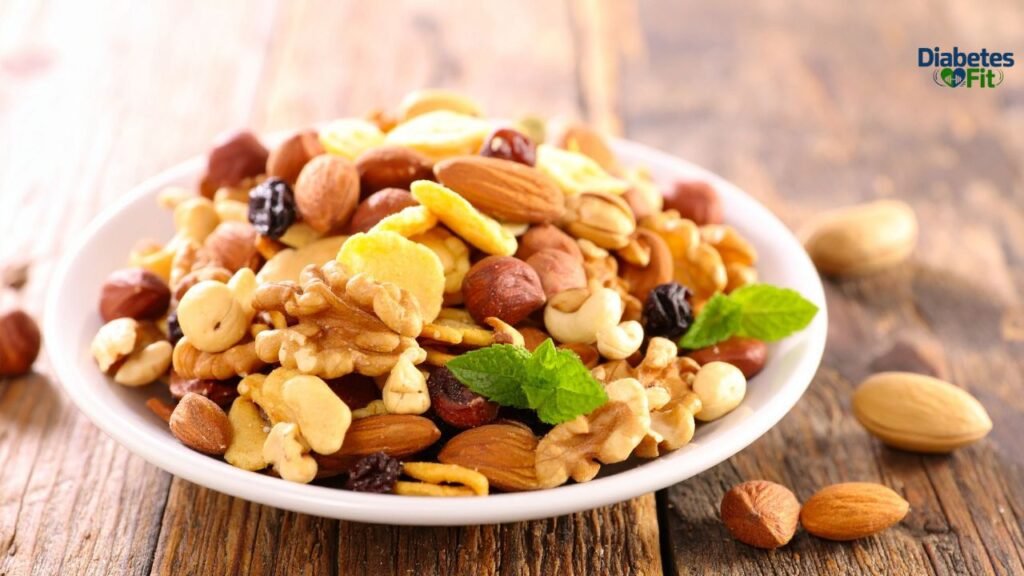
    4. Nuts and Seeds

    Nuts and seeds are a remarkable group of foods that prevent diabetes. They are satisfying, easy to snack on, and deliver a powerful combination of healthy fats, fiber, and protein that stabilizes blood sugar.

    Foods That Prevent Diabetes

    Best choices:

    • Almonds
    • Walnuts
    • Chia seeds
    • Flaxseeds
    • Pistachios
    • Pumpkin seeds

    Why they work:

    • Their high fat and fiber content slows the absorption of glucose after meals.
    • Walnuts are exceptionally rich in alpha-linolenic acid (ALA), a plant-based omega-3 that reduces inflammation and supports healthy insulin function.
    • Chia seeds and flaxseeds are packed with soluble fiber, which forms a gel in the digestive tract that slows the entry of sugar into the bloodstream.
    • A study in the Journal of Nutrition found that people who ate almonds regularly had significantly lower fasting blood sugar and insulin levels compared to those who didn’t.
    • Nuts also help with weight management — excess body weight is one of the strongest risk factors for type 2 diabetes.

    How to eat them:

    • A small handful (about 1 oz) as a snack
    • Sprinkle chia or flaxseeds on yogurt or oatmeal
    • Add walnuts to salads or baked goods
    • Use almond butter instead of sugary spreads

    5. Berries
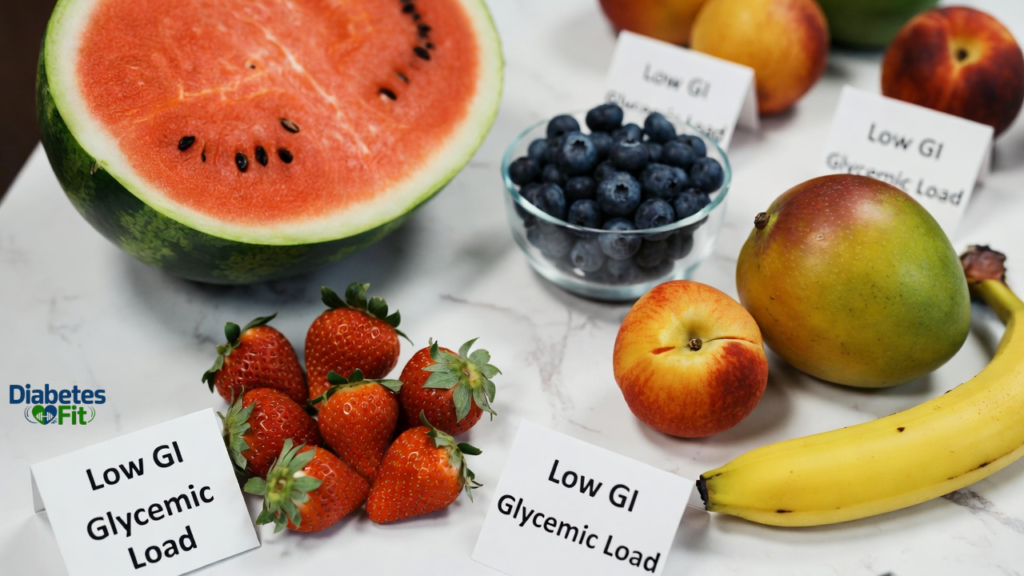
    Berries — blueberries, strawberries, raspberries, and blackberries — are one of the most delicious foods that help prevent diabetes. They’re naturally sweet, but their sugar content is low, and their fiber and antioxidant content is very high.

    Why they work:

    • Berries are loaded with anthocyanins — a type of flavonoid antioxidant that gives them their deep blue, red, and purple colors. Anthocyanins have been directly linked to improved insulin sensitivity and reduced blood sugar levels.
    • A landmark study from the American Journal of Clinical Nutrition found that eating blueberries regularly improved insulin sensitivity by up to 22% in insulin-resistant adults.
    • Their high fiber content slows sugar absorption and prevents blood sugar spikes after eating.
    • Berries have a low glycemic index — blueberries score around 53, strawberries score around 41 — making them one of the safest fruit options for people at risk of diabetes.
    • They’re also anti-inflammatory, which directly combats one of the root causes of type 2 diabetes.

    How to enjoy them:

    • Add to Greek yogurt or oatmeal for breakfast
    • Blend into smoothies
    • Eat fresh as a snack
    • Use frozen berries (just as nutritious, often cheaper)

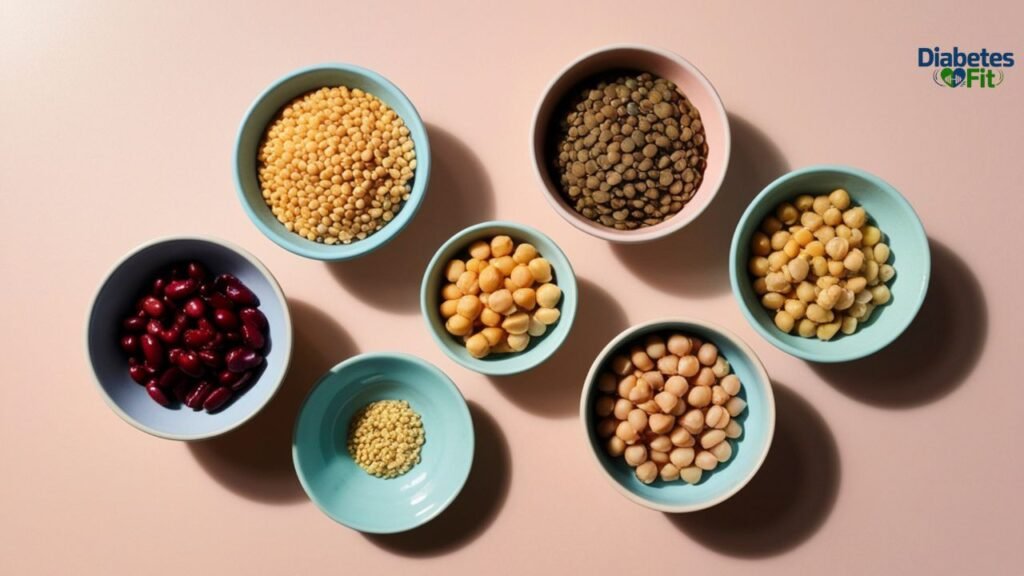
    6. Legumes (Beans, Lentils, and Chickpeas)

    Legumes are among the most underrated foods that prevent diabetes. They’re affordable, filling, versatile, and scientifically proven to improve blood sugar control.

    Foods That Prevent Diabetes

    Examples of legumes:

    • Black beans
    • Kidney beans
    • Chickpeas (garbanzo beans)
    • Lentils (red, green, brown)
    • Edamame
    • Peas

    Why they work:

    • Legumes are exceptionally high in soluble fiber, which slows glucose absorption and prevents blood sugar spikes.
    • They have one of the lowest glycemic indexes of any carbohydrate-containing food. Lentils have a GI of just 32, black beans around 30.
    • They provide plant-based protein, which reduces the need for high-GI foods at meals and supports weight management.
    • A clinical trial published in Archives of Internal Medicine found that people with type 2 diabetes who ate one cup of legumes daily for 3 months had significantly lower HbA1c levels (a key marker of long-term blood sugar control) compared to those eating whole wheat products.
    • Legumes also support a healthy gut microbiome, which emerging research links directly to better insulin sensitivity.

    Easy ways to add them:

    • Add lentils to soups, curries, and stews
    • Use chickpeas in salads or roast them as a crunchy snack
    • Make black bean tacos or burritos
    • Blend white beans into dips or pasta sauces

    Quick Reference: The 6 Foods That Prevent Diabetes

    FoodKey BenefitBest Way to Eat
    Leafy GreensHigh magnesium improves insulin sensitivitySalads, stir-fries, smoothies
    Fatty FishOmega-3s reduce inflammationBaked, grilled (2x per week)
    Whole GrainsFiber slows sugar absorptionOatmeal, brown rice, quinoa
    Nuts & SeedsStabilize blood sugar, aid weight controlSnacks, toppings, and nut butter
    BerriesAnthocyanins improve insulin responseBreakfast bowls, snacks
    LegumesLowest GI, high protein and fiberSoups, salads, curries

    Foods to Avoid If You Want to Prevent Diabetes

    Understanding the six foods that can prevent diabetes is just half the story. Limiting meals that increase your risk of diabetes is equally important:

    Foods That Prevent Diabetes
    • Soda, fruit juice, and energy drinks are examples of sugary beverages that quickly raise blood sugar levels.
    • Refined carbohydrates and white bread are rapidly transformed into sugar in the blood.
    • Studies have connected processed meats, such as deli meats and hot dogs, to an increased risk of diabetes.
    • Trans fats, which are present in a lot of packaged snacks and fried foods, raise insulin resistance and inflammation.
    • Breakfast bars and sweetened cereals are frequently filled with hidden sugar.
    • Many flavored yogurts have the same amount of sugar as a candy bar.

    Other Lifestyle Habits That Work Alongside These Foods

    Food is the cornerstone, yet it complements other healthful behaviors the best:

    • Engage in regular exercise: Walking briskly for 30 minutes five days a week can enhance insulin sensitivity and lower the risk of diabetes by up to 58% (Diabetes Prevention Program).
    • Maintain a healthy weight: If you are overweight, losing just 5–7% of your body weight can significantly lower your chance of developing diabetes.
    • Get 7 to 9 hours of sleep every night. Insufficient sleep causes blood sugar to rise and disturbs hunger hormones.
    • Control your stress: Prolonged stress increases cortisol, which raises blood sugar and encourages insulin resistance.
    • Drink plenty of water instead of sugary drinks to maintain a steadier blood sugar level.

    How to Build a Diabetes-Preventing Meal Plan

    You do not have to drastically change your diet all at once. Start by structuring your meals around the six nutrients that help avoid diabetes:

    A Sample Eating Day:

    • Steel-cut oatmeal, chia seeds, blueberries, and a few walnuts for breakfast
    • Lunch is a spinach salad dressed with olive oil, chickpeas, avocado, and grilled salmon.
    • A little apple with almond butter for a snack
    • Dinner is a curry of lentils and vegetables served with brown rice and sautéed kale on the side.
    • Dessert: Greek yogurt and a small bowl of mixed fruit

    This type of day is fulfilling, tasty, and full of the nutrients your body needs to maintain stable blood sugar levels and a low risk of diabetes.

    Frequently Asked Questions

    Can eating the right foods actually prevent diabetes?

    Yes — especially type 2 diabetes. While genetics play a role, research consistently shows that diet is one of the strongest modifiable factors for diabetes risk. The Diabetes Prevention Program, a large US government study, found that dietary changes combined with moderate exercise reduced the risk of type 2 diabetes by 58% in high-risk individuals. Foods that are high in fiber, healthy fats, and antioxidants — like the 6 foods that prevent diabetes in this article — directly improve insulin sensitivity and blood sugar control.

    Is fruit safe if I’m trying to prevent diabetes?

    Most whole fruits are safe and beneficial. The fiber in whole fruit slows down sugar absorption, making the blood sugar response much gentler than fruit juice. Berries are particularly excellent choices because of their low glycemic index and high antioxidant content. Fruits to eat more carefully (due to higher GI) include watermelon, pineapple, and ripe bananas — not off-limits, but best eaten in smaller portions.

    Which is the single best food to prevent diabetes?

    It’s hard to name just one, but leafy greens and legumes consistently top the research for diabetes prevention. Both have powerful, well-documented effects on blood sugar control. If you could only make one change, adding a daily serving of leafy greens or legumes to your diet would have a significant positive impact.

    How quickly can diet changes reduce diabetes risk?

    Some improvements — like better post-meal blood sugar levels — can happen within days of changing your diet. Longer-term markers like HbA1c (which reflects average blood sugar over 3 months) typically improve after 8–12 weeks of consistent dietary changes. The earlier you start, the more protective the effect.

    Are whole grains really safe for blood sugar?

    Yes, whole grains are very different from refined grains when it comes to blood sugar. Their fiber content slows digestion significantly. Research shows regular whole grain consumption is linked to lower diabetes risk. Steel-cut oats, quinoa, and barley have particularly low glycemic indexes and are excellent choices for anyone looking to prevent diabetes.

    Can these foods help if I’m already pre-diabetic?

    Absolutely — and this is actually when these foods have the most dramatic effect. Pre-diabetes means your blood sugar is elevated but not yet in the diabetic range. Studies show that people with pre-diabetes who improve their diet (especially adding fiber-rich foods, healthy fats, and lean protein) can normalize their blood sugar and prevent progression to type 2 diabetes in many cases.

    How many of these foods should I eat daily?

    You don’t need to eat all 6 every single day, but here are general targets:

    • Leafy greens: At least 1–2 cups daily
    • Fatty fish: 2 servings per week (3.5 oz each)
    • Whole grains: 2–3 servings per day
    • Nuts/seeds: 1 oz (small handful) per day
    • Berries: ½ to 1 cup per day
    • Legumes: At least 3–4 servings per week (½ cup per serving)

    Conclusion

    Diabetes doesn’t happen overnight — and neither does preventing it. But the science is clear: the foods you eat every single day either move you toward diabetes or away from it. The 6 foods that prevent diabetes — leafy greens, fatty fish, whole grains, nuts and seeds, berries, and legumes — give your body exactly what it needs to keep blood sugar stable, reduce inflammation, and maintain healthy insulin function.

    You don’t have to be perfect. You don’t have to change everything at once. Start by adding one or two of these foods to your daily routine this week. Then build from there. Small, consistent steps add up to enormous results over time.

    Your health is worth protecting — and it starts with what’s on your plate.

    Ready to take the first step? Start tomorrow’s breakfast with oatmeal and blueberries, and you’ll already be putting the 6 foods that prevent diabetes to work for you.

    Please also see the best foods for diabetes from the American Diabetes Association.

  • Best Chips for Diabetics: 15 Tasty Options That Won’t Spike Your Blood Sugar

    Best Chips for Diabetics: 15 Tasty Options That Won’t Spike Your Blood Sugar

    To be honest, one of the most difficult aspects of controlling diabetes is giving up chips. The salty taste, the pleasurable crunch, and the habit of reaching for a bag while working at your desk or watching TV. One of life’s basic joys seems to have been taken away by diabetes. The good news is that there are chips that are better than you might think for those with diabetes.

    Not every chip is made equally. A growing number of chip options made from vegetables, legumes, whole grains, and seeds provide the crunch you want with a nutritional profile that is truly compatible with diabetes management, while traditional potato chips are a blood sugar disaster because they are loaded with refined carbohydrates, unhealthy fats, and salt.

    This tutorial will teach you how to read chip labels like a nutritionist, which popular chips to avoid, which are the top 15 chips for diabetics, and what makes each one safe for blood sugar. Now let us get started.

    Also, look for the benefits of black seed oil.

    Why Most Regular Chips Are Bad for Diabetics

    Before we get to the best chips for diabetics, it’s worth understanding exactly why standard potato chips and corn chips cause problems — because this knowledge helps you make smarter choices at the supermarket.

    The Blood Sugar Problem With Regular Chips

    Many corn-based chips and traditional potato chips have a number of drawbacks that make them unsuitable for diabetics:

    High glycemic load and glycemic index:

    • The glycemic index (GI) of regular potato chips is between 56 and 70.
    • 15–18g of net carbs are usually found in a regular 1-ounce serving.
    • After eating, blood sugar rises quickly due to the rapid digestion of refined potato starch.

    Low amount of fiber:

    • Each serving of most normal chips has less than 1g of fiber.
    • Without fiber to slow down digestion, glucose quickly enters the system.
    • This causes the severe blood sugar surge that occurs after a meal and eventually destroys blood vessels.

    High salt content:

    • The majority of commercial chips have 150–300 mg of salt per serving.
    • Diabetics already have a higher risk of cardiovascular disease and excessive blood pressure.
    • Consuming a lot of sodium greatly increases these risks.

    Unhealthy fats

    • Refined vegetable oils, which are rich in omega-6 fatty acids, are used to fry a lot of chips.
    • These oils exacerbate inflammation, which is already high in the majority of diabetics.
    • Trans fats, or partially hydrogenated oils, are still present in certain older products.

    Intended to be consumed in excess:

    • Manufacturers of chips design their products to be as palatable as possible.
    • Fullness signals are overridden by the mix of fat, salt, and crunchy texture.
    • When a diabetic eats a typical piece of ordinary chips, they frequently unknowingly ingest two or three servings.

    Knowing these issues makes it evident why searching much beyond the typical chip aisle is necessary to locate the finest chips for diabetics.

    What Makes a Chip Safe for Diabetics? Label Reading Guide

    Before we list the best chips for diabetics, here’s exactly what to look for — and avoid — on any chip label:

    Green Light Criteria (Look For These)

    Label ElementDiabetic-Friendly Target
    Fiber content3g or more per serving
    Net carbs (total carbs minus fiber)15g or less per serving
    Protein content3g or more per serving
    SodiumUnder 200mg per serving
    Fat typeMonounsaturated or polyunsaturated (olive, avocado, sunflower oil)
    First ingredientWhole food (lentils, chickpeas, whole grain corn, black beans, vegetables)
    Added sugar0g ideally — maximum 2g
    Serving sizeCheck carefully — manufacturers use small serving sizes to make numbers look better

    Red Flag Criteria (Avoid These)

    • Enriched flour, white flour, or potato starch as the first ingredient
    • More than 20g of net carbs per serving
    • Less than 1g of fiber per serving
    • Partially hydrogenated oils are anywhere in the ingredients list
    • More than 300mg of sodium per serving
    • Multiple types of sugar listed (corn syrup, dextrose, maltodextrin)
    • Artificial colors and preservatives in large quantities

    Best Chips for Diabetics: 15 Top Picks

    1. Beanitos Black Bean Chips

    Net carbs per serving: ~11g Fiber per serving: 5g Protein per serving: 4g Sodium per serving: 115mg

    Best Chips for Diabetics

    Beanitos are made primarily from black beans — one of the best foods a diabetic can eat. Black beans have a glycemic index of just 30 and are rich in soluble fiber, protein, and resistant starch that significantly slows glucose absorption.

    Why they’re among the best chips for diabetics:

    • Black bean base provides a protein and fiber combination that blunts the blood sugar rise
    • Resistant starch in beans feeds beneficial gut bacteria linked to improved insulin sensitivity
    • Low sodium compared to most chip options
    • The protein-fiber-fat combination keeps you full, reducing the urge to overeat

    Best paired with: Salsa, guacamole, or plain — all low-glycemic options.

    2. Siete Grain-Free Tortilla Chips (Cassava Lime)

    Net carbs per serving: ~18g Fiber per serving: 1g Protein per serving: 1g Sodium per serving: 90mg

    Siete chips are made from cassava flour — a grain-free, gluten-free alternative to corn. While cassava has a moderate glycemic index, the avocado oil used in these chips adds healthy monounsaturated fat that slows digestion and reduces the glycemic impact.

    Why they work for diabetics:

    • Grain-free — suitable for diabetics with gluten sensitivity
    • Made with avocado oil — the healthiest cooking fat for chips
    • Very low sodium — excellent for diabetics with blood pressure concerns
    • Satisfying crunch and flavor that makes portion control easier

    Caution: Net carbs are moderate — stick to the serving size and pair with protein or healthy fat.

    3. Quest Protein Chips

    Net carbs per serving: ~4g Fiber per serving: ~1g Protein per serving: 18–20g Sodium per serving: 290mg

    Quest protein chips are one of the most diabetes-friendly snack chips available anywhere. The extraordinary protein content — 18–20g per serving — dramatically slows gastric emptying and glucose absorption, making the glycemic impact of these chips minimal.

    Why they’re among the best chips for diabetics:

    • 18–20g of protein per serving is extraordinary for a chip — more protein than many main meals
    • Only 4g of net carbs per serving — among the lowest of any chip product
    • High protein keeps you significantly fuller than traditional chips
    • Available in popular flavors like BBQ, Ranch, and Nacho Cheese

    Caution: Sodium is slightly higher — if you’re managing blood pressure alongside diabetes, monitor total daily sodium.

    4. Chickpea Chips (Various Brands — Biena, Hippeas)

    Net carbs per serving: ~13–16g Fiber per serving: 3–5g Protein per serving: 4–6g Sodium per serving: 120–180mg

    Chickpea-based chips are among the best chips for diabetics for several important nutritional reasons. Chickpeas have a glycemic index of approximately 28–36, one of the lowest of any starchy food.

    Why chickpea chips work so well:

    • The low GI of chickpeas, combined with their fiber and protein content, produces a minimal blood sugar response
    • Chickpea fiber includes both soluble and insoluble types — slowing digestion and feeding beneficial gut bacteria
    • Chickpea protein improves satiety significantly compared to potato or corn chips
    • Research published in the Journal of Nutritional Science found that chickpea consumption reduced post-meal blood sugar response by up to 36% compared to equivalent wheat-based foods.

    Best brands: Biena Chickpea Snacks, Hippeas Organic Chickpea Puffs, and From the Ground Up Cauliflower Crackers with chickpeas.

    5. Lentil Chips (Made in Nature, Trader Joe’s)

    Net carbs per serving: ~14g Fiber per serving: 3g Protein per serving: 4g Sodium per serving: 135mg

    Lentils are one of the most blood-sugar-friendly foods on earth — with a glycemic index of just 21–30. Lentil-based chips carry much of this benefit forward, making them excellent choices among the best chips for diabetics.

    Why lentil chips stand out:

    • Lentil base provides a complete amino acid profile — rare for a plant food
    • Resistant starch in lentils ferments in the gut, producing short-chain fatty acids that improve insulin sensitivity
    • A meta-analysis in the American Journal of Clinical Nutrition found regular lentil consumption significantly reduced fasting blood glucose and HbA1c in people with type 2 diabetes.
    • Generally lower in fat than fried potato chips

    6. Kale Chips (Homemade or Store-Bought)

    Net carbs per serving: ~3–6g Fiber per serving: 2–3g Protein per serving: 2–3g Sodium per serving: 50–180mg (varies)

    Kale chips are perhaps the most nutritionally superior option among the best chips for diabetics. When made simply — kale baked with olive oil and sea salt — they’re essentially a vegetable serving in chip form.

    Why kale chips are exceptional for diabetics:

    • Extremely low net carbs — 3–6g per serving is among the lowest of any chip
    • Rich in vitamin K — essential for bone health and blood clotting, both relevant for diabetics
    • Contains sulforaphane — a compound shown to reduce blood glucose in multiple studies
    • Alpha-lipoic acid in kale has been specifically studied for improving insulin sensitivity in diabetics
    • High in magnesium, deficiency of which is associated with insulin resistance and type 2 diabetes

    How to make them: Tear kale into chip-sized pieces, toss with olive oil, salt, and any seasoning, bake at 150°C (300°F) for 20–25 minutes until crispy.

    7. Flaxseed Crackers and Chips

    Net carbs per serving: ~2–4g Fiber per serving: 3–5g Protein per serving: 3–4g Sodium per serving: 80–150mg

    Flaxseed-based chips and crackers are among the most diabetes-friendly options available. Flaxseeds are extraordinarily rich in both soluble and insoluble fiber, omega-3 fatty acids, and lignans — plant compounds with powerful anti-inflammatory and blood-sugar-regulating effects.

    Why flaxseed chips are among the best chips for diabetics:

    • Among the lowest net carbs of any chip product — often just 2–4g per serving
    • Omega-3 fatty acids from flaxseed improve insulin sensitivity and reduce inflammation
    • Lignans in flaxseed have been shown to reduce HbA1c levels in multiple clinical studies
    • Very high fiber content dramatically slows any carbohydrate digestion

    Best brands: Doctor in the Kitchen Flackers, Good Dee’s Flaxseed Crackers.

    8. Almond Flour Crackers/Chips

    Net carbs per serving: ~5–8g Fiber per serving: 2–3g Protein per serving: 3–5g Sodium per serving: 100–180mg

    Almond flour-based chips and crackers are excellent low-carb options for diabetics. Almonds have one of the lowest glycemic indexes of any food (GI ≈ 0) and are rich in monounsaturated fat, protein, fiber, and magnesium.

    Why almond flour chips work for diabetics:

    • Very low net carbs compared to grain-based chips
    • Monounsaturated fat from almonds improves insulin sensitivity
    • Magnesium in almonds directly supports glucose metabolism — research shows magnesium supplementation improves insulin sensitivity in magnesium-deficient diabetics.
    • A protein and fat combination creates long-lasting fullness that prevents overeatin.g

    Best brands: Simple Mills Almond Flour Crackers, Blue Diamond Almond Nut Thins, Hu Kitchen Grain-Free Crackers.

    9. Cauliflower Crackers and Chips

    Net carbs per serving: ~8–12g Fiber per serving: 2–3g Protein per serving: 2–3g Sodium per serving: 130–200mg

    Best Chips for Diabetics

    Cauliflower-based chips have exploded in popularity as a low-carb alternative to potato and corn chips. Made from cauliflower as the primary ingredient, they deliver a satisfying crunch with significantly fewer carbs than traditional chips.

    Why cauliflower chips are good for diabetics:

    • Cauliflower has a GI of just 15 — one of the lowest of any vegetable
    • Contains glucosinolates — compounds with anti-inflammatory properties relevant to diabetes management
    • Rich in vitamin C, an antioxidant that reduces oxidative stress, is elevated in most diabetics
    • Lower net carbs than most grain-based chips

    Best brands: From the Ground Up Cauliflower Crackers, Caulipuffs, Real Food From the Ground Up.

    10. Veggie Straws and Vegetable Chips (Careful Choices)

    Net carbs per serving: ~15–18g Fiber per serving: 1–2g Protein per serving: 1g Sodium per serving: 200–300mg

    Important note: Not all “veggie chips” are as healthy as they sound. Many are primarily made from potato starch with vegetable powder added for color — they’re essentially regular chips in disguise.

    The best chips for diabetics in this category are those made primarily from actual vegetables — look for spinach, beet, carrot, or sweet potato as the first ingredient, not potato starch.

    What to look for:

    • First ingredient should be an actual vegetable — not potato starch or corn starch
    • At least 2g of fiber per serving
    • Under 200mg of sodium
    • Made with olive or sunflower oil rather than generic “vegetable oil.”

    Best legitimate brands: Rhythm Superfoods Kale Chips, Bare Baked Crunchy Apple Chips (fruit, not savory), Sensible Portions Garden Veggie Straws (moderate choice — check label).

    11. Pork Rinds (Chicharrones)

    Net carbs per serving: ~0g Fiber per serving: 0g Protein per serving: 8–9g Sodium per serving: 270–400mg

    Pork rinds are the ultimate zero-carb chip option — and genuinely one of the best chips for diabetics who follow low-carb or ketogenic diets. They contain zero carbohydrates whatsoever, eliminating any blood sugar concern.

    Why pork rinds work for some diabetics:

    • Zero net carbs means zero blood sugar impact
    • High protein content — 8–9g per serving — improves satiety significantly
    • Collagen protein from pork rinds supports joint health — relevant for diabetics with neuropathy or mobility issues
    • Satisfying crunch and savory flavor scratch the chip itch effectively

    Important considerations:

    • Very high in sodium — significant concern for diabetics managing blood pressure
    • High in saturated fat — choose brands made with healthier fats when possible
    • Not suitable for diabetics following a plant-based diet
    • Best enjoyed in moderation as part of an overall balanced diet

    12. Seaweed Snacks

    Net carbs per serving: ~1–3g Fiber per serving: 1g Protein per serving: 1–2g Sodium per serving: 60–120mg

    Seaweed snacks — thin, crispy sheets of dried or lightly toasted seaweed — are one of the most diabetes-friendly snack options available. They’re virtually carb-free, extremely low in calories, and loaded with unique nutrients that support metabolic health.

    Why seaweed snacks are among the best chips for diabetics:

    • Virtually zero carbohydrates — minimal blood sugar impact
    • Contains fucoxanthin — a carotenoid compound shown in studies to reduce fat accumulation and improve insulin sensitivity
    • Rich in iodine — supports thyroid function, which regulates metabolism and is often compromised in diabetics
    • Very low sodium compared to most chip products
    • Only 25–35 calories per serving — virtually guilt-free snacking

    Best brands: GimMe Organic Roasted Seaweed, Annie Chun’s Seaweed Snacks, Trader Joe’s Roasted Seaweed Snack.

    13. Whole Grain Corn Tortilla Chips (Portion Controlled)

    Net carbs per serving: ~19g Fiber per serving: 2g Protein per serving: 2g Sodium per serving: 110mg

    Plain, whole-grain corn tortilla chips are not the best chips for diabetics as a first choice — but they’re significantly better than regular potato chips and can be included in a diabetic diet when portion is strictly controlled, and they’re paired with blood-sugar-lowering accompaniments.

    How to make tortilla chips safer for diabetics:

    • Choose brands where whole-grain corn is the first ingredient
    • Stick strictly to one serving (about 1 oz/28g — approximately 10–12 chips)
    • Pair with guacamole — the healthy fat in avocado slows glucose absorption
    • Add salsa — the fiber and acidity of tomatoes reduce glycemic response
    • Pair with black bean dip — the protein and fiber further blunt blood sugar rise

    Best brands for diabetics: Late July Sea Salt Thin & Crispy Tortilla Chips, Food Should Taste Good Multigrain Chips, Garden of Eatin’ Blue Corn Chips.

    14. Roasted Edamame Snacks

    Net carbs per serving: ~8g Fiber per serving: 6g Protein per serving: 11g Sodium per serving: 125mg

    Roasted edamame — though technically more of a snack than a chip — provides the satisfying crunch that chip lovers crave with a nutritional profile that’s exceptional for diabetics. The protein-to-carb ratio of roasted edamame is among the best of any snack food.

    Why roasted edamame is among the best chips for diabetics:

    • 11g of protein and 6g of fiber per serving create a powerful blood sugar buffer
    • Soy protein specifically has been shown to improve glycemic control in type 2 diabetics
    • Isoflavones in edamame improve insulin sensitivity
    • Net carbs are low relative to the protein and fiber content
    • Very satisfying — the high protein means one serving genuinely keeps you full

    15. Homemade Zucchini Chips

    Net carbs per serving: ~3–5g Fiber per serving: 1–2g Protein per serving: 1g Sodium per serving: Controlled by you

    Best Chips for Diabetics

    Making your own chips at home gives you complete control over every ingredient, making homemade vegetable chips the ultimate best chips for diabetics who want maximum nutrition and minimum blood sugar impact.

    Basic homemade zucchini chip recipe:

    • Slice 2 medium zucchinis paper-thin (use a mandoline for consistency)
    • Toss with 1 tablespoon olive oil, sea salt, garlic powder, and pepper
    • Arrange in a single layer on a baking sheet
    • Bake at 120°C (250°F) for 2–2.5 hours until crisp
    • Store in an airtight container

    Other excellent homemade chip options for diabetics:

    • Kale chips (as described above)
    • Beet chips (thin-sliced, oven-baked)
    • Sweet potato chips (thin-sliced — moderate glycemic load, high nutrients)
    • Cucumber chips (dehydrated or baked)
    • Carrot chips (thin-sliced, baked)
    • Turnip chips — a very low-carb alternative to potatoes

    Best Chips for Diabetics: Complete Comparison Table

    Chip TypeNet Carbs/ServingFiber/ServingProtein/ServingGI LevelDiabetic Rating
    Quest Protein Chips4g1g18–20gVery Low⭐⭐⭐⭐⭐
    Flaxseed Chips2–4g3–5g3–4gVery Low⭐⭐⭐⭐⭐
    Kale Chips3–6g2–3g2–3gVery Low⭐⭐⭐⭐⭐
    Seaweed Snacks1–3g1g1–2gVery Low⭐⭐⭐⭐⭐
    Pork Rinds0g0g8–9gNone⭐⭐⭐⭐⭐
    Roasted Edamame8g6g11gLow⭐⭐⭐⭐⭐
    Beanitos Black Bean11g5g4gLow⭐⭐⭐⭐
    Chickpea Chips13–16g3–5g4–6gLow⭐⭐⭐⭐
    Lentil Chips14g3g4gLow⭐⭐⭐⭐
    Almond Flour Chips5–8g2–3g3–5gVery Low⭐⭐⭐⭐
    Cauliflower Chips8–12g2–3g2–3gLow⭐⭐⭐⭐
    Siete Grain-Free18g1g1gModerate⭐⭐⭐
    Whole Grain Tortilla19g2g2gModerate⭐⭐⭐
    Regular Potato Chips15–18g<1g2gHigh⭐
    Flavored Corn Chips16–20g1g2gHigh⭐

    Chips Diabetics Should Avoid or Strictly Limit

    Although we have concentrated on the top chips for diabetes, it is just as crucial to understand which kinds of chips to stay away from:

    Best Chips for Diabetics

    Steer clear of these completely:

    • BBQ, sour cream, and cheese-flavored potato chips: refined starch, excessive sodium, and artificial ingredients
    • Cheese curls and puffs are highly processed, high-GI foods that encourage overindulgence.
    • Despite being low in fat and high in GI and poor in fiber, pretzels are frequently worse for blood sugar than potato chips.
    • Standard Doritos and Fritos are white corn chips that contain processed corn, a lot of sodium, and artificial flavors.
    • Despite looking nutritious, rice cakes and rice crackers have a deceptively high GI (82–87).
    • Kettle-cooked potato chips are still potato chips; the cooking process has no effect on the amount of carbohydrates.
    • Insulin surges and fat storage are encouraged by any chip that has sugar in its first five ingredients.

    Smart Snacking Strategies for Diabetics Who Love Chips

    For the best blood sugar control, even the best chips for diabetics must be consumed carefully:

    • Portion Control cannot be compromised.
    • Never eat straight out of the bag; instead, measure your portion before you begin.
    • Use a small bowl; studies regularly demonstrate that eating from smaller containers lowers intake.
    • To make portion management automated, pre-portion bags at the start of each week.

    Always Pair Chips With Blood-Sugar-Lowering Foods

    Chip TypeBest PairingWhy It Helps
    Any chipGuacamoleHealthy fat slows glucose absorption
    Any chipGreek yogurt dipProtein slows digestion
    Bean chipsSalsaFiber + acidity reduces glycemic response
    Veggie chipsHummusChickpea protein + tahini fat
    Lentil chipsCottage cheese dipHigh protein, low carb
    Seaweed snacksAvocado slicesHealthy fat, nearly zero carbs
    Any chipRaw vegetables alongsideAdds fiber, increases volume, reduces chip consumption

    Timing Your Chip Snacks

    • Best time: Mid-afternoon (3–5 PM) as a planned snack between meals
    • Avoid: Late-night snacking — insulin sensitivity is lowest in the evening
    • Post-exercise: A small serving of chips with protein after exercise is ideal — muscles are most insulin-sensitive at this time
    • Never: Eat chips on an empty stomach — always have them alongside or after a meal that includes protein and vegetables

    Monitor Your Blood Sugar Response

    Everyone responds differently to carbohydrates. Testing your blood glucose 1–2 hours after eating any chip helps you understand exactly how your body responds and which products work best for your personal glucose management.

    Making Your Own Diabetic-Friendly Chips at Home

    The best chips for diabetics are homemade ones since you have total control over the ingredients, oil type, salt concentration, and carbohydrate content.

    Best Chips for Diabetics

    Basic Recipe for Any Handmade Chip:

    • Pick a base, such as sweet potatoes, eggplant, turnips, beets, zucchini, or kale.
    • For crispness, cut as thinly as you can (1-2 mm is optimal).
    • Add sea salt, olive oil, and any additional herbs or spices for seasoning.
    • Bake for a longer period of time at a low temperature (120–150°C) to get optimum crispness by dehydrating rather than frying.

    Ideas for Homemade Diabetic Chip Flavors:

    • Sea salt, cumin, and lime zest make up zesty lime.
    • Ranch-style: salt, onion powder, garlic powder, and dried dill
    • Smoky Barbecue: Garlic, smoked paprika, and a small amount of stevia-based sweetener
    • Herb Parmesan: Black pepper, Italian herbs, and nutritional yeast
    • Spicy: sea salt, garlic powder, and chili flakes

    Frequently Asked Questions 

    What are the best chips for diabetics to buy at the grocery store? 

    The best chips for diabetics available at most grocery stores include Quest Protein Chips (highest protein, lowest net carbs), Beanitos Black Bean Chips (high fiber, low GI), chickpea-based chips like Hippeas or Biena, lentil chips, and seaweed snacks. Look for options with at least 3g of fiber, under 15g of net carbs, and a whole food (beans, legumes, or vegetables) as the first ingredient. Avoid any chips with enriched flour, potato starch, or sugar in the first few ingredients.

    Can diabetics eat chips at all?

    Yes — diabetics can absolutely eat chips when they choose the right types and control portions carefully. The best chips for diabetics are made from legumes (chickpeas, black beans, lentils), vegetables (kale, cauliflower, zucchini), seeds (flaxseed), or high-protein bases (like Quest protein chips), paired with blood-sugar-lowering accompaniments like guacamole or hummus, and eaten in measured portions. The key is choosing chips with high fiber and protein content that slow glucose absorption and minimize blood sugar spikes.

    Are veggie chips actually good for diabetics? 

    It depends entirely on the specific product. Many “veggie chips” are primarily made from potato starch with vegetable powder added — they’re essentially regular potato chips in disguise and are not among the best chips for diabetics. Truly vegetable-based chips made from kale, cauliflower, beets, or spinach as the primary ingredient are genuinely better options. Always read the ingredient list: the first ingredient should be an actual vegetable, not potato starch, corn starch, or enriched flour.

    How many chips can a diabetic eat per day?

    Most diabetics can enjoy one measured serving (typically 1 oz or 28g) of the best chips for diabetics once or twice daily as part of a balanced diet. The exact amount depends on your total daily carbohydrate target (set with your doctor or dietitian), the specific chip’s net carb content, your current blood sugar control, and what else you’re eating that day. For chips with under 10g of net carbs (Quest, flaxseed, kale chips), slightly larger portions may be appropriate. Always test your blood sugar 1–2 hours after eating to understand your personal response.

    Are rice cakes a good alternative to chips for diabetics? 

    Surprisingly, no rice cakes are one of the worst chip alternatives for diabetics despite their healthy reputation. Plain rice cakes have a glycemic index of 82–87, higher than white bread and comparable to some sugar-containing foods. They’re almost pure refined starch with minimal fiber or protein to slow glucose absorption. A diabetic eating rice cakes will typically experience a sharp blood sugar spike. The best chips for diabetics from the list above are far better choices than rice cakes for blood sugar management.

    What dips can diabetics eat with chips? 

    The best dips for diabetics to pair with chips are guacamole (healthy fat slows glucose absorption — zero net carbs), hummus (chickpea protein and fiber, moderate carbs — stick to 2–3 tablespoons), salsa (very low calorie, fiber from tomatoes, zero fat), Greek yogurt dips (high protein, low carb), black bean dip (protein and fiber), and cottage cheese-based dips (high protein, very low carb). Avoid cheese dips with added starch, sour cream-based dips high in saturated fat, and any dip containing added sugar or high fructose corn syrup.

    Are pita chips good for diabetics? 

    Standard pita chips are not among the best chips for diabetics — they’re made from refined white flour with a high glycemic index and minimal fiber. Whole-grain pita chips are somewhat better but still not ideal. If you enjoy Mediterranean-style snacking, pair the best chips for diabetics from this list (like chickpea chips or lentil chips) with hummus rather than using pita chips. This delivers the same flavor profile with significantly better blood sugar management. If you do eat pita chips occasionally, choose whole grain versions, strictly limit to one serving, and always pair with a protein and healthy fat source.

    Conclusion

    It is not necessary to give up one of life’s crunchiest joys in order to manage diabetes. The finest chips for diabetes demonstrate that you may have your chips without the negative effects on blood sugar that occur with regular potato and corn chips.

    The best chips for diabetics offer real flavor, real satisfaction, and a nutritional profile that supports rather than undermines your blood sugar management, from the gut-healing fiber of black bean and lentil chips to the incredible protein power of Quest chips, from the nearly zero-carb satisfaction of seaweed snacks and pork rinds to the vitamin-rich crunch of homemade kale chips.

    Three essential characteristics are shared by the finest chips for diabetics: a whole food base instead of refined carbohydrates, enough protein to increase satiety, and significant fiber to decrease the absorption of glucose. To find the best options for you, look for chips that meet these criteria, combine them with blood-sugar-friendly dips, manage your portions, and assess your individual blood sugar response.

    Diabetes does not have to make snacking a miserable exercise in deprivation. It is about making more informed decisions, and now you have 15 delectable options.Are you prepared to step up your snack game? Begin this week. Choose two or three items from this list, put them in your shopping cart, and swap out your chip habit for one that supports rather than contradicts your diabetes. Your taste buds, waist size, and blood sugar will all appreciate it.

    Also read this expert blog from EatingWell.

  • Best Cereal for Diabetics: Top  10 Picks That Won’t Spike Your Blood Sugar

    Best Cereal for Diabetics: Top 10 Picks That Won’t Spike Your Blood Sugar

    Finding the best cereal for diabetics can feel like searching for a needle in a haystack. Walk down any supermarket aisle, and you’ll find hundreds of colorful boxes — but most of them are loaded with sugar, refined grains, and empty carbohydrates that send blood sugar levels soaring within minutes of eating.

    For people with diabetes or prediabetes, breakfast cereal is one of the trickiest food choices of the day. The wrong cereal can cause dangerous blood sugar spikes. But the right one — high in fiber, low in added sugar, and made from whole grains — can actually support better blood sugar control, keep you full for hours, and even improve insulin sensitivity over time.

    In this guide, you’ll discover the best cereals for diabetics, what to look for on the label, which cereals to avoid, and how to make even a moderate-carb cereal work for your blood sugar. Let’s make breakfast simple again.

    Why Cereal Is Complicated for Diabetics

    The majority of conventional morning cereals are manufactured from refined grains, such as wheat, corn, or rice, which have had their nutrient-dense germ and fiber-rich bran removed. What is left is basically a carbohydrate that digests quickly and acts in your bloodstream similarly to pure sugar.

    • When a diabetic consumes a high-GI cereal, the following occurs:
    • Refined carbohydrates quickly convert to glucose.
    • Within 30 to 60 minutes, blood sugar levels climb dramatically.
    • To control the rise, the pancreas releases a rush of insulin.

    After that, blood sugar falls, which frequently results in exhaustion, hunger, and cravings within one to two hours.

    Over time, the loop worsens insulin resistance and puts stress on the pancreas.

    Because of this, selecting the best cereal for diabetes involves more than simply taste; it also involves managing HbA1c levels, safeguarding long-term health, and sustaining consistent energy levels throughout the day.

    What to Look for in the Best Cereal for Diabetics

    Cereal for Diabetics

    Here’s what to look for on the label when selecting the finest cereal for diabetes, before we go into particular brands and varieties:

    1. High Fiber Content

    Fiber is the most important factor. Soluble fiber slows the digestion and absorption of carbohydrates, flattening the blood sugar curve after eating.

    • Look for: At least 3–5g of fiber per serving (ideally 5g or more)
    • Best fiber sources in cereal: Oat bran, psyllium husk, wheat bran, flaxseed

    2. Low Glycemic Index (GI)

    The glycemic index measures how quickly a food raises blood sugar on a scale of 0–100.

    • Low GI: Under 55 — ideal for diabetics
    • Medium GI: 56–69 — acceptable in small portions
    • High GI: 70 and above — avoid or strictly limit

    3. Minimal Added Sugar

    The adversary of blood sugar regulation is added sugar. Granola, bran flakes, and even some whole-grain kinds are examples of “healthy” cereals that have unexpectedly high added sugar content.

    • Look for: Less than 6g of total sugar per serving
    • Ideally: Under 3g of added sugar per serving
    • Red flags: Sugar, high fructose corn syrup, honey, molasses, and cane juice are listed in the first five ingredients

    4. Whole Grain as the First Ingredient

    Cereal for Diabetics

    The most prevalent element is listed first on the label. Whole grains, such as whole wheat, whole grain maize, or whole oats, are consistently included as the top ingredient in the best cereals for diabetics.

    5. Moderate Carbohydrate Content

    Even healthy carbs affect blood sugar. For diabetics:

    • Aim for: 15–30g of net carbs per serving (total carbs minus fiber)
    • Avoid: Cereals with 40g+ of carbs per serving

    6. Adequate Protein

    Protein lowers the meal’s glycemic impact and slows digestion. Choose cereals that include three to five grams of protein per serving, or combine your cereal with a protein-rich food like eggs, Greek yogurt, or nuts.

    Best Cereal for Diabetics: Top 10 Options

    1. Plain Steel-Cut Oats — The Absolute Best Choice

    Cereal for Diabetics

    GI: ~42 (Low) Fiber per serving: ~4g Sugar per serving: 0g added Carbs per serving: ~27g

    Nutritionists and endocrinologists around the world believe that steel-cut oats are the best cereal for diabetics. They are chopped whole oat groats with minimum processing, so all of their natural fiber, protein, and minerals are still present.

    Why steel-cut oats are exceptional for diabetics:

    • Beta-glucan — the soluble fiber in oats — forms a thick gel in the gut that dramatically slows glucose absorption
    • Multiple studies show oat beta-glucan reduces post-meal blood sugar spikes by 25–50% compared to refined cereals
    • Improves insulin sensitivity with regular consumption
    • Reduces LDL cholesterol — important since diabetics have higher cardiovascular risk
    • Keeps you full for 3–5 hours, reducing overall calorie intake

    How to use them: Cook with water or unsweetened almond milk. Top with berries, a tablespoon of chia seeds, and a handful of walnuts for extra fiber and healthy fats.

    Important: Choose steel-cut or rolled oats — NOT instant oats. Instant oats are more processed and have a higher GI (around 79).

    2. Rolled Oats (Old-Fashioned Oats) — Convenient and Effective

    GI: ~55 (Low-Medium border) Fiber per serving: ~4g Sugar per serving: 0g added Carbs per serving: ~27g

    Steel-cut oats that have been steam-cooked and flattened are called rolled oats. Although they cook more quickly than steel-cut oats, they still contain the majority of the beta-glucan fiber that makes oats so good for controlling blood sugar.

    Rolled oats are one of the best cereals for diabetics who want the health benefits of oats with a shorter cooking time.

    Tips for diabetics:

    • Cook with water or low-fat milk rather than sweetened alternatives
    • Add cinnamon — research shows cinnamon improves insulin sensitivity
    • Top with nuts or seeds for protein and healthy fat to further reduce the glycemic impact
    • Avoid adding honey, maple syrup, or brown sugar

    3. Bran Flakes — High Fiber, Lower GI Option

    GI: ~42–74 (varies by brand) Fiber per serving: ~5–7g Sugar per serving: ~5–7g (check brand) Carbs per serving: ~24g

    One of the highest-fiber ready-to-eat cereals is bran flakes, which are made from wheat bran. The amount of fiber, especially insoluble fiber, slows down digestion and lessens the meal’s glycemic effect.

    What to look for:

    • Choose brands with whole wheat bran as the first ingredient
    • Look for less than 6g of sugar per serving
    • Avoid “frosted” or “honey-coated” bran varieties — these have significantly more sugar

    Bran flakes work best for diabetics when paired with protein (Greek yogurt or milk) and healthy fat (a handful of almonds) to further flatten the blood sugar response.

    4. Muesli (Unsweetened) — Nutrient-Dense and Satisfying

    GI: ~40–66 (varies by blend) Fiber per serving: ~3–5g Sugar per serving: ~5–8g (natural, from dried fruit) Carbs per serving: ~40g (moderate — watch portions)

    One of the most nutrient-dense cereals on the market is traditional unsweetened muesli, which is a mixture of rolled oats, nuts, seeds, and dried fruit. Despite having a moderate carb level, the mix of whole grains, fiber, protein from nuts, and healthy fats results in a naturally lower glycemic meal.

    Best muesli choices for diabetics:

    • Choose varieties with no added sugar — sweetness should come only from a small amount of dried fruit
    • Look for blends with oats, nuts, seeds, and minimal dried fruit (which is high in natural sugar)
    • Portion control is important — stick to ½ cup dry serving
    • Soak overnight in unsweetened milk or yogurt (bircher muesli) for even lower GI due to fermentation

    5. All-Bran or Bran Buds — Maximum Fiber Per Serving

    GI: ~38–51 (Low) Fiber per serving: ~9–13g Sugar per serving: ~6–8g Carbs per serving: ~23g

    All-Bran and related bran-based cereals are among the highest-fiber cereals on the market, which makes them great options for controlling blood sugar. The remarkably high fiber content promotes digestive health and significantly reduces the absorption of glucose.

    Benefits for diabetics:

    • Among the lowest GI ready-to-eat cereals available
    • High fiber reduces post-meal blood sugar spikes significantly
    • Supports healthy cholesterol levels
    • Promotes beneficial gut bacteria that improve insulin sensitivity

    Caution: Some bran bud cereals contain moderate amounts of added sugar — always check the label. Look for varieties with under 8g of total sugar per serving.

    6. Grape-Nuts — Dense, Low-Sugar Whole Grain Cereal

    Cereal for Diabetics

    GI: ~67 (Medium) Fiber per serving: ~7g Sugar per serving: ~5g Carbs per serving: ~47g

    Grape-Nuts is a crunchy, thick cereal made from barley and whole grain wheat flour. Its thick structure and high fiber content cause it to digest more slowly than its GI indicates, even though it has a moderate GI.

    Why it works for diabetics:

    • Made with 100% whole grain wheat and barley
    • No artificial flavors, colors, or preservatives
    • High fiber slows blood sugar rise
    • Very filling — a small portion goes a long way
    • Contains no high fructose corn syrup

    Important: Portion size matters with Grape-Nuts. The serving size is small (½ cup) — stick to this amount and pair with protein-rich milk or yogurt.

    7. Shredded Wheat (Plain) — Clean Ingredient List

    GI: ~67–83 (Medium to Medium-High — varies) Fiber per serving: ~6g Sugar per serving: 0g added Carbs per serving: ~38g

    Whole grain wheat is the only ingredient in plain shredded wheat, which is the unfrosted, unsweetened variety. No added salt, sugar, or artificial additives. It is one of the best cereals for diabetics who want to be in complete control of what they consume because of its straightforward simplicity.

    Tips for diabetics:

    • Always choose plain, unfrosted shredded wheat — avoid frosted or honey-coated versions
    • Pair with unsweetened almond milk and fresh berries
    • Add a tablespoon of ground flaxseed for extra fiber and omega-3 fatty acids
    • The moderate GI means portion control is important

    8. Kashi GO (Original) — Protein + Fiber Combination

    GI: ~Low-Medium Fiber per serving: ~8g Protein per serving: ~9g Sugar per serving: ~6g Carbs per serving: ~36g

    One of the few popular cereals that has both significant protein and high fiber per serving is Kashi GO Original; this combination is especially useful for controlling blood sugar in diabetics.

    Why the protein-fiber combo matters:

    • Protein further slows gastric emptying beyond what fiber alone achieves
    • Reduces post-meal blood sugar spikes more effectively than fiber alone
    • Keeps you full longer — reducing mid-morning snacking
    • Supports muscle preservation, which is important for insulin sensitivity

    This makes Kashi GO one of the best cereals for diabetics who want a convenient, ready-to-eat option with genuine nutritional value.

    9. Ezekiel 4:9 Sprouted Grain Cereal

    GI: ~36 (Low) Fiber per serving: ~6g Protein per serving: ~8g Sugar per serving: 0g added Carbs per serving: ~40g

    Ezekiel cereals are prepared from whole grains that have been sprouted, which lowers the grain’s glycemic index, boosts nutrient availability, and decreases antinutrients. They are manufactured from a blend of wheat, barley, millet, lentils, soybeans, and spelt and have no added sugar.

    Why sprouted grain cereal is exceptional for diabetics:

    • Sprouting increases the bioavailability of fiber and reduces starch content
    • A combination of grains and legumes creates a complete protein profile
    • Very low GI despite moderate carb content
    • No added sugar — one of the cleanest labels of any commercial cereal
    • High protein helps stabilize blood sugar throughout the morning

    10. Homemade Low-Carb Granola — The Custom Option

    GI: Low (depending on ingredients) Fiber per serving: ~4–6g Protein per serving: ~8–12g Making a simple homemade granola is the greatest alternative for diabetics who want total control over their breakfast cereal. Every ingredient, including the amount of sugar (which can be zero), is under your control.

    Basic low-carb diabetic-friendly granola:

    • 2 cups rolled oats
    • 1 cup mixed nuts (almonds, walnuts, pecans)
    • ½ cup seeds (pumpkin, sunflower, chia, flax)
    • 1 tsp cinnamon
    • 2 tbsp coconut oil, melted
    • 1–2 tbsp erythritol or stevia (optional — zero sugar alcohols)
    • 1 tsp vanilla extract

    Mix, spread on a baking sheet, and bake at 160°C (325°F) for 20–25 minutes, stirring halfway. Cool completely before storing.

    Cereals Diabetics Should Avoid

    Cereal TypeWhy to AvoidGI
    CornflakesHighly refined, spikes blood sugar rapidly81
    Rice KrispiesPuffed rice — very fast digesting82
    Frosted FlakesHigh sugar + refined corn55+ with sugar spike
    Fruit LoopsMostly sugar and artificial colorsHigh
    Granola (commercial)Often 12–20g of added sugar per servingMedium-High
    Instant oatmeal (flavored)Added sugar, more processed than rolled79
    Honey Smacks / Sugar PuffsOver 50% sugar by weightVery High
    Cocoa Puffs / Coco PopsHigh sugar, refined grainsHigh

    Best vs. Worst Cereals for Diabetics: Comparison Table

    CerealGIFiber (per serving)Added SugarDiabetic Rating
    Steel-Cut Oats424g0g⭐⭐⭐⭐⭐
    Ezekiel Sprouted Grain366g0g⭐⭐⭐⭐⭐
    All-Bran / Bran Buds38–519–13g6–8g⭐⭐⭐⭐⭐
    Rolled Oats554g0g⭐⭐⭐⭐
    Kashi GO OriginalLow-Med8g6g⭐⭐⭐⭐
    Unsweetened Muesli40–663–5g0–5g⭐⭐⭐⭐
    Plain Shredded Wheat67–836g0g⭐⭐⭐
    Bran Flakes42–745–7g5–7g⭐⭐⭐
    Grape-Nuts677g5g⭐⭐⭐
    Cornflakes811g3g⭐
    Frosted Flakes55+1g12g⭐
    Instant Flavored Oats792g10–14g⭐

    How to Make Any Cereal More Diabetic-Friendly

    Cereal for Diabetics

    Even a moderate-GI cereal can be made safer for diabetics with the right pairings and habits:

    • Add protein — mix in Greek yogurt, have a boiled egg on the side, or use high-protein milk. Protein slows glucose absorption significantly.
    • Add healthy fat — a small handful of walnuts, almonds, or a tablespoon of nut butter reduces the glycemic impact of the whole meal.
    • Add more fiber — sprinkle 1 tablespoon of chia seeds, ground flaxseed, or psyllium husk into your bowl.
    • Use unsweetened milk alternatives — unsweetened almond milk (1g carb per cup) is far better than regular milk (12g carbs) or oat milk (16g+ carbs) for blood sugar.
    • Control your portion — even the best cereal for diabetics can cause issues in large portions. Stick to the recommended serving size.
    • Add cinnamon — research shows cinnamon improves insulin sensitivity and reduces post-meal blood sugar spikes.
    • Monitor your blood sugar — everyone’s response to carbohydrates is different. Testing your blood sugar 1–2 hours after eating helps you understand how specific cereals affect you personally.

    Reading Cereal Labels: A Quick Guide for Diabetics

    Label ElementWhat to Look ForRed Flag
    First ingredientWhole grain (whole oats, whole wheat)Sugar, enriched flour, corn
    Fiber5g or more per servingLess than 2g
    Added sugarLess than 6g per servingMore than 10g
    Total carbs15–30g net carbs (total minus fiber)40g+ net carbs
    Protein4g or moreLess than 2g
    Serving sizeCheck — companies often use tiny servingsVery small servings that understate carbs
    Ingredients listShort, recognizable whole food ingredientsLong list with multiple sugar types

    Frequently Asked Questions (FAQs)

     What is the best cereal for diabetics to eat in the morning? 

    Steel-cut oats are the best cereal for diabetics overall. They have a low GI of around 42, contain 4g of fiber per serving, including beta-glucan, which dramatically slows blood sugar rise, and contain zero added sugar. Ezekiel sprouted grain cereal and All-Bran are excellent alternatives for those who prefer ready-to-eat options.

    Can diabetics eat oatmeal every day? 

    Yes — plain rolled oats or steel-cut oats are among the safest daily breakfast choices for diabetics. Their beta-glucan fiber content improves insulin sensitivity, reduces post-meal blood sugar spikes, and supports healthy cholesterol levels with regular consumption. Avoid instant flavored oatmeal, which has a much higher GI and significant added sugar.

    Is granola good for diabetics? 

    Most commercial granolas are not good choices for diabetics because they contain 12–20g of added sugar per serving. However, unsweetened homemade granola made from oats, nuts, seeds, and a small amount of zero-calorie sweetener can be one of the best cereals for diabetics — offering high fiber, protein, and healthy fats with controlled sugar content.

    What cereals should diabetics avoid? 

    Diabetics should avoid cornflakes (GI 81), Rice Krispies (GI 82), Frosted Flakes, Fruit Loops, instant flavored oatmeal, commercial granola with added sugar, and any cereal with sugar listed in the first three ingredients. These cereals cause rapid, significant blood sugar spikes that are dangerous for people with diabetes.

    Does the milk you use with cereal affect blood sugar? 

    Yes — significantly. Regular cow’s milk contains about 12g of carbohydrates per cup from lactose. Unsweetened almond milk contains only 1g of carbs per cup, making it the best choice for diabetics eating cereal. Oat milk is one of the worst choices — it can contain 16–24g of carbs per cup and causes a significant additional blood sugar rise.

    How much cereal can a diabetic eat per day?

    Most diabetics can safely enjoy ½ to 1 cup of a low-GI, high-fiber cereal daily as part of a balanced breakfast. The exact amount depends on your total daily carbohydrate target (set with your doctor or dietitian), your blood sugar response to that specific cereal, and what else you eat at the meal. Always pair cereal with protein and healthy fat to reduce its glycemic impact.

    Is Cheerios good for diabetics?

    Plain Cheerios (not Honey Nut or other flavored varieties) is a moderate choice for diabetics. It’s made from whole grain oats, contains 3g of fiber per serving, and has only 1g of added sugar. However, it’s not as rich in beta-glucan as steel-cut oats and has a moderate GI. Plain Cheerios in a controlled portion with unsweetened almond milk and nuts can be an acceptable breakfast choice for diabetics.

    Conclusion

    Managing diabetes doesn’t mean giving upbreakfast cereal forever. It means choosing smarter — and now you know exactly how to do that.

    The best cereal for diabetics is high in fiber, low in added sugar, made from whole grains, and ideally paired with protein and healthy fat to flatten the blood sugar response. Steel-cut oats, Ezekiel sprouted grain cereal, All-Bran, and unsweetened muesli consistently top the list for good reason — they deliver real nutritional benefits without the dangerous blood sugar spikes that come with refined cereals.

    Remember: the best cereal for diabetics is the one that keeps your blood sugar stable, keeps you full until your next meal, and fits into a balanced, whole-food diet. Use the label-reading guide in this article, monitor your personal blood sugar response, and work with your healthcare provider to find the breakfast routine that works best for you.

    Ready to make a change? Start tomorrow morning. Swap your current cereal for plain rolled oats or steel-cut oats, top with cinnamon and walnuts, and test your blood sugar 2 hours later. You may be surprised at how much of a difference the right cereal makes.

  • Is Honey Better Than Sugar? 9 Proven Facts That Settle the Debate Once and For All

    Is Honey Better Than Sugar? 9 Proven Facts That Settle the Debate Once and For All

    Walk into any health food store, and you will find honey positioned as the natural, wholesome alternative to refined sugar. But is honey better than sugar in any meaningful, scientifically supported way — or is this just clever marketing wrapped around a product that is essentially the same thing? This is one of the most googled nutrition questions for good reason — millions of people genuinely want to know whether making the switch from sugar to honey is worth it. 

    Is honey better than sugar for your blood sugar levels? Is honey better than sugar for weight management? Is honey better than sugar when it comes to actual nutritional value? The answers are more nuanced than a simple yes or no — but the science does reveal a clear winner in most categories. This guide settles the debate with facts, not opinions.

    Choosing healthier alternatives isn’t just about sweeteners—read our post Can You Eat Salmon Every Day? to learn about another nutritious food option.

    What Honey and Sugar Actually Are

    Before answering whether honey is better than sugar in specific health contexts, it is important to understand what each substance actually is at a chemical and biological level, because this explains everything that follows.

    Is Honey Better Than Sugar?

    What Is White Sugar?

    White table sugar is pure sucrose — a disaccharide molecule made of one glucose unit bonded to one fructose unit. It is extracted from sugar cane or sugar beet, then refined and processed until virtually everything except the sucrose molecule is removed.

    The eesult is chemically pure, nutritionally empty, and metabolically straightforward:

    • Your digestive system splits sucrose into glucose and fructose almost instantly
    • Glucose enters the bloodstream immediately, spiking blood sugar
    • Fructose is processed entirely by the liver
    • No vitamins, minerals, enzymes, antioxidants, or bioactive compounds survive the refining process

    What Is Honey?

    Honey is a complex biological substance produced by bees from flower nectar. Bees collect nectar, enzymatically transform it in their bodies, and deposit the result in a honeycomb where water evaporates to produce the thick, sweet liquid we know as honey.

    Unlike sugar, honey is:

    • A mixture of fructose (~38%), glucose (~31%), water (~17%), and other sugars (~9%)
    • Rich in enzymes — diastase, invertase, glucose oxidase, catalase
    • Containing over 200 identified bioactive compounds, including flavonoids, phenolic acids, and carotenoids
    • A source of trace minerals — potassium, calcium, magnesium, phosphorus, zinc
    • Naturally antimicrobial through multiple mechanisms

    This fundamental difference in composition is the starting point for understanding whether honey is better than sugar in health terms.

    Is Honey Better Than Sugar: Complete Side-by-Side Comparison

    Nutritional Comparison Table

    PropertyHoney (1 tbsp/21g)White Sugar (1 tbsp/12g)Brown Sugar (1 tbsp/13g)
    Calories64 kcal49 kcal52 kcal
    Carbohydrates17.3g12.6g13.5g
    Fructose8.6g6.3g6.5g
    Glucose7.5g6.3g6.5g
    Protein0.06g0g0g
    Fiber0g0g0g
    Glycemic Index55–6565–8064–65
    AntioxidantsHighNoneTrace
    VitaminsB2, B3, B5, B6, C (traces)NoneMolasses traces
    MineralsK, Ca, Mg, P, Zn (traces)NoneMinimal
    EnzymesActive enzymes presentNoneNone
    AntimicrobialYesNoNo
    PrebioticYesNoNo
    Water content17%0%1%

    The first thing most people notice is that honey has more calories per tablespoon than sugar. This is true, but it is also misleading, because honey is denser and sweeter, and you need significantly less of it to achieve the same level of sweetness. When compared by sweetness equivalent, honey often comes in at equal or fewer calories than sugar for the same taste impact.

    Is Honey Better Than Sugar: 9 Proven Facts

    Fact 1: Honey Has a Lower Glycemic Index Than Sugar

    Is honey better than sugar for blood sugar control? On the glycemic index metric — yes, meaningfully so.

    Glycemic Index Comparison:

    • White sugar (sucrose): GI of 65–80
    • Honey: GI of 55–65 (varies by floral source)
    • Raw wildflower honey: GI as low as 50–55
    • Acacia honey: GI of approximately 35–50 (lowest of all honey types)

    A lower glycemic index means blood glucose rises more slowly and less steeply after consuming honey compared to sugar. This produces a smaller, more controlled insulin response.

    Why this matters:

    • Smaller insulin spikes mean less fat storage signaling
    • More stable blood sugar means fewer energy crashes and rebound cravings
    • Lower chronic insulin levels over time are associated with reduced risk of Type 2 diabetes, better insulin sensitivity, and easier weight management.

    The research: A clinical study comparing the glycemic responses of honey and sugar in healthy adults found that honey produced a significantly lower peak blood glucose and a lower insulin response — despite similar carbohydrate content — attributable to honey’s unique fructose-to-glucose ratio and bioactive compounds that slow glucose absorption.

    Fact 2: Honey Contains Powerful Antioxidants — Sugar Contains None

    Is honey better than sugar for fighting oxidative stress and inflammation? Without question, this is perhaps the most clear-cut difference between the two.

    White sugar contains zero antioxidants. Not trace amounts — zero. The refining process removes every bioactive compound.

    Raw honey, by contrast, is rich in multiple classes of polyphenol antioxidants:

    Key antioxidants in honey:

    • Flavonoids: Quercetin, kaempferol, chrysin, luteolin, apigenin
    • Phenolic acids: Caffeic acid, p-coumaric acid, ellagic acid, ferulic acid
    • Carotenoids: Beta-carotene and related compounds
    • Ascorbic acid (Vitamin C): In small but measurable amounts

    What these antioxidants do:

    • Neutralize free radicals that damage cells, DNA, and blood vessels
    • Reduce chronic inflammation — the underlying driver of heart disease, Type 2 diabetes, cancer, and Alzheimer’s disease
    • Protect LDL cholesterol from oxidation — the critical first step in arterial plaque formation
    • Support immune system function

    A study published in the Journal of the American College of Nutrition found that consuming honey increased antioxidant capacity in the blood of healthy adults — a direct biological effect measurable in the bloodstream within hours of consumption. Sugar produced no such effect.

    The antioxidant content of honey varies significantly by type:

    Honey TypeAntioxidant LevelColor Indicator
    Buckwheat honeyVery highDark brown/black
    Manuka honeyVery highDark amber
    Raw wildflower honeyHighMedium amber
    Raw clover honeyModerateLight golden
    Acacia honeyLow-moderateVery pale yellow
    Commercial processed honeyLowPale (filtered)

    General rule: Darker honey = higher antioxidant content.

    Fact 3: Honey Is Sweeter Than Sugar — So You Use Less

    Is honey better than sugar from a calorie management perspective? Yes, because of its superior sweetness intensity.

    Honey is approximately 25–50% sweeter than white sugar per gram. This means you need significantly less honey to achieve the same sweetness level in any food or drink.

    Practical calorie comparison for equivalent sweetness:

    ApplicationSugar UsedCaloriesHoney UsedCaloriesSaving
    Cup of tea1 tsp (4g)16 cal½ tsp (3.5g)11 cal5 cal
    Morning coffee2 tsp (8g)32 cal1 tsp (7g)21 cal11 cal
    Bowl of oatmeal1 tbsp (12g)49 cal2 tsp (14g)42 cal7 cal
    Salad dressing1 tbsp (12g)49 cal2 tsp (14g)42 cal7 cal
    Baking (per recipe)1 cup (200g)800 cal¾ cup (255g)816 calSimilar

    For beverages and direct use — where most people add sweetener — honey provides equivalent or greater sweetness at equal or lower calories, while delivering antioxidants, enzymes, and a lower glycemic response.

    Fact 4: Honey Supports Gut Health — Sugar Disrupts It

    Is honey better than sugar for gut health? Significantly, ane gut health is connected to overall wellness.

    How honey supports gut health:

    Prebiotic effect: Raw honey contains oligosaccharides — complex carbohydrates that the human digestive system cannot break down, but that beneficial gut bacteria use as fuel. Honey selectively feeds beneficial species, including Lactobacillus acidophilus and Bifidobacterium — the same bacteria found in probiotic supplements.

    Antimicrobial properties: Honey’s natural antimicrobial mechanisms — hydrogen peroxide production, low pH, osmotic effect, and methylglyoxal (in Manuka honey) — inhibit harmful bacterial species, including Helicobacter pylori, E. coli, and Staphylococcus aureus, while sparing beneficial bacteria.

    How sugar disrupts gut health:

    • Refined sugar feeds harmful gut bacteria and yeast — particularly Candida species
    • High sugar intake reduces microbial diversity — consistently linked to poor health outcomes
    • Sugar promotes intestinal permeability (“leaky gut”) — allowing bacterial toxins to enter the bloodstream
    • Disrupts the Firmicutes/Bacteroidetes ratio associated with healthy body weight

    A healthy gut microbiome is associated with better immune function, improved mental health, lower inflammation, better nutrient absorption, and healthier body weight. Is honey better than sugar for gut health? The evidence is clearly yes.

    Fact 5: Honey Has Genuine Medicinal Properties — Sugar Has None

    Is honey better than sugar as a functional food with health benefits beyond nutrition? Without comparison — yes.

    Is Honey Better Than Sugar?

    Honey has been used medicinally for over 8,000 years — and modern science has validated many traditional applications:

    Evidence-based medicinal properties of honey:

    • Wound healing: Medical-grade honey (particularly Manuka) is used in clinical settings for treating diabetic wounds, burns, and surgical wounds. Its osmotic, antimicrobial, and anti-inflammatory properties create optimal healing conditions.
    • Cough suppression: A Cochrane review found honey to be as effective as dextromethorphan (common cough medicine) for suppressing nighttime cough in children, and safer
    • Sore throat relief: Honey’s viscosity coats throat tissue, its antimicrobial properties fight infection, and its osmotic effect draws out inflammatory fluid
    • H. pylori inhibition: Multiple studies show that honey inhibits the stomach bacterium responsible for most peptic ulcers
    • Allergy reduction: Local raw honey contains trace amounts of local pollen — regular consumption may help desensitize the immune system to local allergens over time
    • Sleep improvement: Honey’s gentle glucose supply to the liver during sleep reduces cortisol-disrupting hypoglycemia, improving sleep quality

    Sugar has none of these properties. It is nutritionally inert beyond its caloric content.

    Fact 6: Is Honey Better Than Sugar for Weight Management?

    The relationship between whether honey is better than sugar and body weight is nuanced but generally favorable for honey.

    Why honey may support weight management:

    • Lower glycemic index produces less insulin, which means less fat storage signaling
    • Honey’s fructose content stimulates leptin (fullness hormone) production, supporting appetite regulation
    • Honey’s greater sweetness intensity means fewer calories for equivalent sweetness
    • Anti-inflammatory compounds may improve insulin sensitivity over time
    • Prebiotic effects support gut bacteria associated with healthy body weight

    The honest caveat: Honey is still caloric — 64 calories per tablespoon. Eating large amounts of honey will cause weight gain just like eating large amounts of sugar. The advantage of honey over sugar for weight management is:

    • A better hormonal response per calorie consumed
    • Better appetite signaling
    • Meaningful additional health benefits alongside the calories

    Is honey better than sugar for weight management? Yes, but neither is a weight-loss. Honey is a better sweetener choice within a calorie-controlled diet.

    Fact 7: Honey Provides Trace Nutrients — Sugar Provides Zero

    Is honey better than sugar nutritionally? Yes — though the differences are modest and should not be overstated.

    A tablespoon of honey provides:

    • Potassium: 11mg (helps regulate blood pressure)
    • Calcium: 1mg (bone health)
    • Magnesium: 0.4mg (insulin sensitivity, muscle function)
    • Phosphorus: 1mg (bone and energy metabolism)
    • Zinc: 0.04mg (immune function, insulin storage)
    • Iron: 0.09mg (red blood cell production)
    • B vitamins: Traces of B2, B3, B5, B6

    These amounts are small — honey is not a significant source of any micronutrient. But they represent a categorical advantage over sugar, which contains absolutely nothing. When you consume honey instead of sugar every day for years, the cumulative trace nutrient contribution is not irrelevant.

    Fact 8: Raw Honey Has Enzyme Activity — Sugar Has None

    Is honey better than sugar because of its enzyme content? For digestive health — yes.

    Raw honey contains several active enzymes:

    • Diastase (amylase): Helps break down starch into simpler sugars — the presence of active diastase is actually used as a quality indicator for raw honey
    • Invertase (sucrase): Breaks down sucrose into glucose and fructose — facilitates easier digestion
    • Glucose oxidase: Produces hydrogen peroxide (a natural antimicrobial) when honey comes into contact with water or wound fluid
    • Catalase: Protects cells from hydrogen peroxide accumulation
    • Peroxidase: Additional antimicrobial and antioxidant activity

    Critical note: These enzymes are destroyed by heat above 40°C (104°F). Commercial honey processing — which typically involves heating to 70°C or higher — destroys enzyme activity completely. Only raw, unheated honey retains active enzymes.

    This is why the raw vs processed distinction matters enormously when asking if honey is better than sugar. Processed commercial honey has minimal active enzymes and reduced antioxidant content — it is closer to sugar in health impact than raw honey is.

    Fact 9: Honey Has a Lower Impact on Dental Health Than Sugar

    Is honey better than sugar for your teeth? Marginally — though both should be used in moderation for dental health.

    Both honey and sugar can contribute to dental caries (cavities) through bacterial fermentation, producing lactic acid. However:

    • Honey’s antimicrobial properties inhibit Streptococcus mutans — the primary cavity-causing bacterium — to a degree that sugar does not
    • Honey’s lower pH may slightly reduce bacterial fermentation rate
    • Honey’s hydrogen peroxide content has mild antimicrobial activity in the oral cavity
    • Honey’s viscosity means it stays in contact with teeth longer, which partially offsets the antimicrobial benefits

    Bottom line: Neither honey nor sugar is good for dental health in large amounts. But honey’s antimicrobial properties give it a modest advantage, and raw honey used in beverages (where it is diluted) poses less dental risk than sticky sweets made with refined sugar.

    When Sugar Is Actually the Better Choice

    Is honey better than sugar in every situation? Honestly — no. There are specific contexts where sugar is the more practical or even preferable choice:

    High-heat baking: When baking at temperatures above 180°C (356°F), honey’s antioxidants, enzymes, and bioactive compounds are destroyed. The health advantages disappear, but honey still affects texture, moisture, and browning differently than sugar, which can be desirable or problematic depending on the recipe.

    Precise recipe measurements: Sugar has consistent, predictable properties in baking — crystal size, caramelization point, and moisture retention. Honey’s variable water content (17–20%) and higher sweetness intensity require recipe adjustments that not every baker wants to manage.

    Infant feeding: Raw honey should NEVER be given to infants under 12 months due to the risk of infant botulism from Clostridium botulinum spores that may be present. For infant foods, sugar may actually be safer — though ideally, neither is added to infant food.

    Cost consideration: Quality raw honey costs significantly more than refined sugar. For people on tight food budgets, the health premium of honey may not be economically practical for all uses.

    Practical Guide: Making the Switch From Sugar to Honey

    Is honey better than sugar in your daily life, practically? Here is exactly how to make the transition:

    Is Honey Better Than Sugar?

    Substitution Guide

    UseSugar AmountHoney AmountNotes
    Tea or coffee1 tsp½ tspAdd to a warm, not boiling drink
    Oatmeal1 tbsp2 tspStir in after cooking
    Salad dressing1 tbsp2 tspWhisk with olive oil + vinegar
    Smoothies1 tbsp1–2 tspAdd last, blend briefly
    Yogurt2 tsp1 tspDrizzle on top
    Baking (cakes)1 cup¾ cupReduce liquid by 3 tbsp per cup
    Baking (cookies)½ cup⅓ cupAdd ¼ tsp baking soda
    Marinades1 tbsp1 tbspEquivalent in savory applications

    How to Choose the Right Honey

    For maximum health benefit when making the switch, choose:

    • Raw, unfiltered honey — retains all enzymes, antioxidants, and pollen
    • Darker varieties — buckwheat, wildflower, Manuka — higher antioxidant content
    • Local honey — potential allergy benefits, fresher, supports local beekeepers
    • Certified organic — reduces pesticide residue exposure
    • Glass jar packaging — avoids potential BPA leaching from plastic

    Avoid:

    • Commercial honey labeled only as “pure honey” without a raw designation
    • Honey blends containing high-fructose corn syrup or additives
    • Ultra-filtered honey with no pollen or visible particles

    Real-Life Example

    James, 44, had been adding two teaspoons of white sugar to his morning coffee, a tablespoon of sugar to his oatmeal, and regularly reached for sugary snacks throughout the day. His fasting blood glucose was 108 mg/dL — borderline prediabetes range.

    His nutritionist suggested replacing all refined sugar with raw wildflower honey, using slightly less honey for equivalent sweetness.

    Changes made:

    • Two teaspoons of sugar in coffee → one teaspoon of raw honey
    • One tablespoon of sugar on oatmeal → two teaspoons of raw honey
    • Sugary afternoon snack → plain Greek yogurt with one teaspoon of honey

    After 12 weeks with no other dietary changes:

    • Fasting blood glucose: dropped from 108 to 97 mg/dL — back to normal range
    • Weight: down 1.8 kg (primarily from reduced insulin-driven fat storage)
    • Energy levels: more stable throughout the day — no afternoon crashes
    • Reported: less craving for sweet foods by week six

    James had not gone on a diet. He had simply answered is honey better than sugar with a practical experiment — and his blood work confirmed the answer was yes.

    Conclusion

    Is honey better than sugar? After examining nine categories of scientific evidence, the answer is clearly yes — in most meaningful health contexts, honey is the superior sweetener choice. Is honey better than sugar for glycemic control? Yes — lower GI, smaller insulin response. Is honey better than sugar for antioxidant intake? Dramatically, yes — honey has hundreds of antioxidant compounds, sugar has zero. Is honey better than sugar for gut health? Yes — honey feeds beneficial bacteria and inhibits harmful ones while sugar does the opposite.

    Is honey better than sugar for weight management? Yes — when used in appropriate amounts as a sugar replacement, honey’s hormonal advantages and superior satiety signaling support better body composition outcomes. Is honey better than sugar nutritionally? Yes — trace minerals and vitamins versus absolute zero. Is honey better than sugar for medicinal purposes? Without comparison, honey has genuine, evidence-backed therapeutic properties that sugar simply does not possess.

    Is honey better than sugar in every single context? No — high-heat baking destroys honey’s advantages, and the calorie difference is minimal. But for everyday sweetening of beverages, breakfasts, dressings, and snacks, is honey better than sugar? The science says yes, and the practical benefits are real and measurable.

    Is honey better than sugar enough to make the switch worthwhile? If you value lower glycemic impact, antioxidant intake, gut health support, and the cumulative long-term metabolic benefits — absolutely yes.

    Make one change this week: replace the sugar in your morning drink with half the amount of raw honey. Do this for 30 days and notice the difference in your energy, cravings, and how you feel.

    If you want to understand the key differences between honey and sugar, this detailed article from Medical News Today explains their nutritional impact.

    Frequently Asked Questions 

    Is honey better than sugar for diabetics? 

    Honey has a lower glycemic index than sugar (55–65 vs 65–80) and produces a smaller insulin response, which makes it a marginally better choice than refined sugar for people with diabetes. However, honey still raises blood glucose and must be counted as a carbohydrate in a diabetic meal plan. People with diabetes should limit honey to small amounts — half to one teaspoon — monitor their glucose response individually, and always consult their diabetes care team before making dietary changes. Neither honey nor sugar is freely permitted in a diabetic diet.

    Does honey have fewer calories than sugar? 

    Per tablespoon, honey (64 calories) actually has more calories than sugar (49 calories) because honey is denser and heavier. However, honey is 25–50% sweeter than sugar, meaning you need significantly less honey to achieve the same sweetness. When compared by equivalent sweetness level rather than equivalent volume, honey and sugar provide approximately similar calories, with honey often coming in slightly lower in practice because less is used. The health advantage of honey over sugar is not primarily caloric but metabolic and nutritional.

    Is raw honey better than regular honey? 

    Yes — significantly. Raw honey retains all active enzymes, antioxidants, pollen, and bioactive compounds that make honey healthier than sugar. Commercial processed honey is typically heated to 70°C or higher, which destroys enzyme activity and reduces antioxidant content by 30–50%. Ultra-filtered commercial honey may have antioxidant levels similar to sugar. When choosing honey for health benefits, always select raw, unfiltered honey — ideally from a local beekeeper or a brand that explicitly states the honey is raw and unheated.

    Can you replace sugar with honey in all recipes? 

    Yes, with adjustments. The general substitution ratio is ¾ cup of honey for every 1 cup of sugar, and you reduce other liquids by approximately 3 tablespoons per cup of honey used. Add a small amount of baking soda (¼ teaspoon per cup) to balance honey’s natural acidity. Reduce oven temperature by 15°C (25°F) as honey causes faster browning. For beverages, dressings, and uncooked applications, simply use approximately half the amount of honey compared to sugar for equivalent sweetness, adjusting to taste.

    Is honey better than sugar for weight loss? 

    Honey is a better sweetener choice than sugar within a weight loss diet, for several reasons: lower glycemic index producing smaller insulin response, greater sweetness per calorie requiring less product, antioxidant compounds that reduce inflammation and improve insulin sensitivity, and better appetite hormone signaling through leptin. However, honey is not a weight-loss food — it is still caloric and still contains sugar. The advantage is relative, not absolute. Using small amounts of raw honey instead of sugar within an overall calorie-controlled diet is a genuinely beneficial strategy.

    Is honey better than sugar for skin health? 

    Honey has direct skin benefits that sugar does not — applied topically, honey’s antimicrobial, anti-inflammatory, and wound-healing properties make it an effective natural skin treatment for acne, dry skin, and minor wounds. Consumed internally, honey’s antioxidants protect skin cells from oxidative damage and UV stress. Sugar consumed internally increases glycation — a process where sugar molecules attach to skin collagen, reducing elasticity and contributing to premature aging (wrinkles). From both a topical and internal perspective, honey is significantly better than sugar for skin health.

    How much honey per day is healthy as a sugar replacement? 

    For general healthy adults, replacing sugar, one to three teaspoons (7–21g) of raw honey daily is a reasonable and health-supporting amount — providing 21–64 calories, meaningful antioxidant intake, and prebiotic gut health benefits without excessive sugar load. People actively managing weight should aim for one to two teaspoons maximum. People with diabetes should limit their intake to half a teaspoon and monitor their blood glucose. Consuming more than two tablespoons (approximately 130 calories) of honey daily is excessive for most health goals and can cause weight gain and elevated blood sugar despite honey’s advantages over sugar.

  • Can You Eat Salmon Every Day? 9 Surprising Truths That Will Change How You Think

    Can You Eat Salmon Every Day? 9 Surprising Truths That Will Change How You Think

    Salmon is one of the most nutritious foods on the planet — rich in omega-3 fatty acids, high-quality protein, vitamin D, and a dozen other nutrients your body genuinely needs. So it makes sense that many health-conscious people wonder: can you eat salmon every day without any downsides? The short answer is yes — for most people, eating salmon daily is safe, beneficial, and one of the smartest dietary choices you can make. But the full answer involves understanding which type of salmon, how much is ideal, how you prepare it, and whether certain health conditions change the picture. Can you eat salmon every day without worrying about mercury? Can you eat salmon every day and actually see measurable health improvements? This guide answers every question clearly — with the science, the practical guidelines, and the real-world tips to make daily salmon work for you.

    To learn more about how watermelon affects blood sugar levels, check out our detailed guide Is Watermelon Good for Diabetes?

    Why Salmon Is Considered One of the Healthiest Foods on Earth

    Before answering, can you eat salmon every day in dep? It helps to understand exactly why salmon occupies such a unique position in nutrition science.

    Salmon is not just a good protein source. It is one of the few foods that delivers an exceptional concentration of multiple hard-to-get nutrients in a single serving.

    Complete Nutritional Profile of Salmon (Per 100g Cooked)

    NutrientWild SalmonFarmed SalmonDaily Value %
    Calories182 kcal206 kcal—
    Protein25g22g44–50%
    Total fat8g13g—
    Omega-3 (EPA+DHA)1,800mg2,200mg120–180% DV
    Vitamin D447 IU245 IU56–112% DV
    Vitamin B123.2 mcg2.8 mcg133% DV
    Selenium36 mcg28 mcg65% DV
    Niacin (B3)8.6mg7.7mg54% DV
    Phosphorus274mg252mg39% DV
    Potassium490mg384mg10% DV
    Astaxanthin1–4mg,
    Mercury (per 100g)0.014 ppm0.05 ppmWell below the FDA limit

    Salmon provides complete protein with all essential amino acids, a massive dose of omega-3 fatty acids, more vitamin D than almost any other food, and a suite of B vitamins and minerals — all in approximately 180–200 calories.

    This extraordinary nutritional density is exactly why so many researchers, cardiologists, and nutritionists actively recommend salmon as a cornerstone food in a healthy diet.

    Can You Eat Salmon Every Day? What the Science Says

    The answer to can you eat salmon everyday depends on several factors — but the overall scientific consensus is clearly supportive of frequent, even daily, salmon consumption for most people.

    Can You Eat Salmon Every Day?

    What Major Health Organizations Say

    American Heart Association (AHA): Recommends eating fatty fish like salmon at least twice per week. The AHA has never set an upper safe limit for salmon consumption specifically — their guidance focuses on a minimum, not a maximum.

    FDA and EPA (United States): Salmon is classified as a “best choice” fish — the lowest mercury category. The FDA recommends two to three servings (eight to twelve ounces) of best choice fish per week for adults, and explicitly includes salmon on the list of fish safe for pregnant women and young children.

    World Health Organization: Recommends regular fatty fish consumption as part of a heart-healthy dietary pattern, with no specific upper limit for low-mercury species like salmon.

    The absence of an upper daily limit from major health authorities is itself meaningful — these organizations are cautious by nature. The fact that none of them warn against eating salmon daily reflects the genuinely favorable safety profile of regular salmon consumption.

    9 Powerful Health Benefits of Eating Salmon Every Day

    Benefit 1: Dramatically Improves Heart Health

    Can you eat salmon every day for your heart? Absolutely — and the evidence is among the strongest in nutritional science.

    The EPA (eicosapentaenoic acid) and DHA (docosahexaenoic acid) omega-3 fatty acids in salmon produce multiple simultaneous cardiovascular benefits:

    • Reduces triglycerides by 15–30% — one of the most consistent effects of omega-3 consumption in clinical trials
    • Lowers blood pressure — a meta-analysis of 70 randomized trials found omega-3s significantly reduced both systolic and diastolic blood pressur..e
    • Reduces arterial inflammation — omega-3s directly reduce the production of inflammatory cytokines that damage arterial walls
    • Improves HDL cholesterol — increases the “good” cholesterol that removes LDL from arteries
    • Reduces blood clotting — omega-3s make platelets less sticky, reducing the risk of arterial clots.

    A large Harvard study following over 40,000 healthcare professionals found that people eating fatty fish two or more times per week had a 36% lower risk of fatal heart attacks. Daily consumption provides an even more consistent supply of these protective compounds.

    Benefit 2: Supports Brain Health and Mental Clarity

    Can you eat salmon every day for your brain? Yes — and the neurological benefits are profound.

    DHA is not just beneficial for the brain — it is structurally essential. Approximately 60% of the dry weight of the brain is fat, and DHA is the most abundant omega-3 fatty acid in brain tissue.

    What DHA does for the brain:

    • Maintains the fluidity and function of neuronal cell membranes
    • Supports the production of neurotransmitters,s including serotonin and dopamine
    • Reduces neuroinflammation — a primary driver of cognitive decline
    • Supports the growth of new brain cells (neurogenesis) in the hippocampus

    Research findings:

    • Higher blood DHA levels are consistently associated with lower rates of Alzheimer’s disease and dementia
    • A study in the Journal of Alzheimer’s Disease found that people with the highest omega-3 intake had significantly greater brain volume in regions associated with memory and learning.
    • Multiple studies show omega-3 supplementation reduces symptoms of depression and anxiety — effects attributable to salmon’s DHA and EPA conten..t

    Benefit 3: Provides Exceptional High-Quality Protein

    Can you eat salmon every days your primary protein source? Absolutely — salmon’s protein quality is among the highest of any food.

    A 100g serving of salmon provides 22–25g of complete protein — meaning it contains all nine essential amino acids in the ratios your body needs for:

    • Building and repairing muscle tissue
    • Producing enzymes, hormones, and antibodies
    • Supporting immune function
    • Maintaining skin, hair, and nail structure

    Salmon protein vs other sources:

    Protein SourceProtein per 100gComplete?Digestibility Score
    Salmon25g✅ Yes97%
    Chicken breast31g✅ Yes95%
    Beef (lean)26g✅ Yes94%
    Eggs13g✅ Yes97%
    Tofu8g✅ Yes91%
    Lentils9g❌ Incomplete84%
    Black beans9g❌ Incomplete78%

    Salmon’s protein digestibility score of 97% means your body absorbs and uses almost every gram of protein it contains — making it one of the most bioavailable protein sources available.

    Benefit 4: Delivers Vitamin D That Most People Are Deficient In

    Can you eat salmon every day to fix a vitamin D deficiency? Yes — and this is one of salmon’s most underappreciated benefits.

    Vitamin D deficiency affects an estimated one billion people globally. Unlike most nutrients, vitamin D is found in very few foods in meaningful amounts — salmon is one of the rare exceptions.

    A 100g serving of wild salmon provides 447 IU of vitamin D, 56–112% of the daily recommended intake depending on which guidelines you follow. Farmed salmon provides approximately 245 IU.

    Why vitamin D matters:

    • Essential for calcium absorption and bone density
    • Critical for immune system function — vitamin D deficiency significantly increases susceptibility to infections
    • Supports muscle function and reduces fall risk in older adults
    • Linked to reduced risk of multiple sclerosis, type 2 diabetes, and several cancers in observational studies
    • Influences mood regulation — vitamin D deficiency is strongly associated with seasonal depression

    For people who live at high latitudes, work indoors, or have darker skin tones — all groups at high risk of deficiency — daily salmon consumption can meaningfully contribute to maintaining adequate vitamin D levels year-round.

    Benefit 5: Powerful Anti-Inflammatory Effects

    Chronic inflammation is the underlying driver of virtually every major chronic disease — heart disease, Type 2 diabetes, cancer, Alzheimer’s, and autoimmune conditions. Can you eat salmon every day to fight inflammation? The evidence says yes.

    Salmon’s omega-3 fatty acids are among the most potent natural anti-inflammatory compounds known to nutritional science.

    How omega-3s reduce inflammation:

    • Compete with omega-6 fatty acids for the same enzymes, reducing production of pro-inflammatory eicosanoids
    • Are converted to resolvins and protectins — specialized molecules that actively resolve inflammation
    • Directly reduce levels of C-reactive protein (CRP), interleukin-6, and TNF-alpha — the primary inflammatory markers

    Astaxanthin — salmon’s secret weapon: Salmon contains astaxanthin, a carotenoid antioxidant that gives salmon its characteristic pink color. Astaxanthin is:

    • 6,000 times more potent than vitamin C as an antioxidant
    • 800 times more potent than CoQ10
    • 550 times more potent than vitamin E

    Research shows astaxanthin reduces oxidative stress markers, improves skin elasticity, and protects against UV-induced skin damage. Wild salmon contains significantly more astaxanthin than farmed salmon.

    Benefit 6: Supports Eye Health and Prevents Macular Degeneration

    DHA is one of the primary structural fats in the retina — the light-sensitive tissue at the back of the eye. Regular DHA intake from daily salmon consumption supports:

    Can You Eat Salmon Every Day?
    • Retinal structure and function
    • Protection against age-related macular degeneration (AMD) — the leading cause of blindness in adults over 50
    • Reduced dry eye symptoms
    • Lower intraocular pressure (relevant for glaucoma risk)

    A large cohort study found that people eating fatty fish once or more per week had a 42% lower risk of AMD compared to those eating fish less than once per month.

    Benefit 7: Supports Healthy Pregnancy and Fetal Development

    Can you eat salmon eevery dayyduring pregnancy? Yes — in fact, many obstetricians actively encourage it within safe guidelines.

    DHA is critical for fetal brain and eye development — particularly during the third trimester when fetal brain growth is most rapid. Women who eat adequate DHA during pregnancy have children with:

    • Better cognitive development and IQ scores
    • Better visual acuity
    • Lower rates of ADHD and developmental delays

    The FDA specifically lists salmon as a “best choice” fish safe during pregnancy and recommends two to three servings per week — more than the general adult recommendation.

    Benefit 8: Improves Skin Health and Appearance

    Can you eat salmon every day for better skin? Many dermatologists say yes.

    Salmon’s combination of omega-3s, astaxanthin, and vitamin D delivers measurable skin benefits:

    • Omega-3s reduce inflammatory skin conditions — eczema, psoriasis, acne — by reducing systemic inflammation
    • Astaxanthin reduces UV-induced skin damage and improves skin elasticity and moisture
    • Vitamin D supports skin cell turnover and repair
    • Protein provides the amino acids (particularly glycine, proline, and hydroxyproline) needed for collagen synthesis

    A clinical study found that astaxanthin supplementation for eight weeks significantly improved skin moisture, elasticity, and roughness in healthy women — effects attributable to regular salmon consumption.

    Benefit 9: Supports Healthy Weight Management

    Can you eat salmon every day as part of a weight management strategy? Absolutely — and it may be one of the best weight management foods available.

    Salmon supports a healthy weight through multiple mechanisms:

    • High protein satiety: Protein is the most satiating macronutrient. A salmon meal keeps you full significantly longer than a comparable carbohydrate meal.
    • Omega-3 effect on appetite hormones: Research shows omega-3s improve leptin sensitivity — the hormone that signals fullness to the brain
    • Reduces inflammation-related weight gain: Chronic inflammation impairs insulin sensitivity and promotes fat storage; salmon’s anti-inflammatory effects help counteract this
    • Replaces high-calorie options: A salmon dinner at 180–200 calories per 100g is far lower calorie than an equivalent-protein portion of processed meat or cheese

    Mercury in Salmon: Is Daily Consumption Safe?

    This is the most common concern when asking can you eat salmon everyday — and the answer is reassuring.

    Can You Eat Salmon Every Day?

    Salmon’s Mercury Content Compared to Other Fish

    Fish TypeMercury Level (ppm)FDA CategorySafe Frequency
    Shark0.979 ppmAvoidNever
    Swordfish0.995 ppmAvoidNever
    King mackerel0.730 ppmAvoidNever
    Tuna (bigeye)0.689 ppmAvoidRarely
    Tuna (albacore/canned)0.350 ppmGood choice1x/week
    Tuna (light/canned)0.128 ppmBest choice2–3x/week
    Wild salmon0.014 ppmBest choiceDaily safe
    Farmed salmon0.050 ppmBest choiceDaily safe
    Sardines0.013 ppmBest choiceDaily safe
    Shrimp0.009 ppmBest choiceDaily safe

    Wild salmon’s mercury level of 0.014 ppm is among the lowest of any seafood — more than 70 times lower than swordfish and 25 times lower than albacore tuna. Even at daily consumption, mercury accumulation from salmon is negligible for the vast majority of people.

    Wild vs Farmed Salmon: Which Is Better for Daily Eating?

    Can you eat salmon every day regardless of whether it is wild or farmed? Yes — but the differences are worth knowing.

    FactorWild SalmonFarmed Salmon
    Omega-3 content1,800mg per 100g2,200mg per 100g
    Vitamin DHigher (447 IU)Lower (245 IU)
    AstaxanthinHigher (natural)Lower (synthetic in most)
    MercuryVery low (0.014 ppm)Very low (0.050 ppm)
    PCBs/contaminantsLowerSlightly higher
    CaloriesSlightly lowerSlightly higher
    CostHigherLower
    AvailabilitySeasonal/limitedYear-round
    Best forMaximum nutritionAffordable daily eating

    Practical recommendation: Wild salmon (particularly Alaskan sockeye or pink salmon) is nutritionally superior — higher vitamin D, more natural astaxanthin, lower contaminant exposure. However, farmed Atlantic salmon remains a genuinely excellent food and is perfectly safe for daily consumption. Eating farmed salmon daily is far better than eating wild salmon occasionally.

    How to Eat Salmon Every Day: Practical Tips

    Can you eat salmon every day without getting bored or spending a fortune? Yes — with these practical strategies:

    Can You Eat Salmon Every Day?

    Best Preparation Methods (Healthiest to Least Healthy)

    Cooking MethodPreserves Omega-3sCalories AddedBest For
    Steaming✅ ExcellentNoneMaximum nutrition
    Poaching✅ ExcellentNoneGentle, moist
    Baking (350–400°F)✅ Very goodMinimalEasy weeknight meals
    Grilling✅ GoodMinimalFlavor development
    Pan-searing (olive oil)✅ Good40–60 calQuick, crispy skin
    Air frying✅ GoodMinimalFast and convenient
    Deep frying❌ Damages omega-3s150–300 calAvoid eating daily

    Budget-Friendly Daily Salmon Ideas

    • Canned wild salmon — dramatically cheaper than fresh, identical nutrition, zero preparation time. Use in salads, rice bowls, sandwiches, and pasta
    • Frozen salmon fillets — typically 40–60% cheaper than fresh, fully preserved nutrition. Defrost overnight in the refrigerator
    • Salmon burgers — canned or frozen salmon patties, easy weekly batch preparation
    • Salmon and egg breakfast scramble — canned salmon, eggs, spinach, onion — complete protein breakfast in five minutes

    7-Day Daily Salmon Meal Ideas

    DayMealPreparation
    MondayBaked salmon with roasted vegetablesOven 20 min
    TuesdayCanned salmon rice bowl with avocadoNo cook
    WednesdaySalmon and spinach omeletPan 10 min
    ThursdayGrilled salmon with sweet potatoGrill 15 min
    FridaySalmon pasta with olive oil and capersStovetop 20 min
    SaturdaySalmon avocado saladNo cook
    SundaySalmon curry with cauliflower riceStovetop 25 min

    Who Should Be More Careful About Daily Salmon

    Can you eat salmon every day if you have specific health conditions? Most people can — but a few groups should be aware of additional considerations:

    People on blood thinners (warfarin/Coumadin): High omega-3 intake has mild blood-thinning effects. People on prescription anticoagulants should discuss significant increases in salmon consumption with their doctor.

    People with gout: Salmon is moderately high in purines. People with active gout or very high uric acid levels should moderate portion sizes and discuss frequency with their physician.

    People with certain fish allergies: Salmon allergy, while less common than shellfish allergy, exists. People with known fish allergies should avoid salmon entirely.

    Pregnant women — specific guidance: Can you eat salmonevery dayy during pregnancy? Two to three servings per week is the FDA recommendation specifically for pregnant women, not necessarily every single day. This is a precautionary guideline, not because salmon has been shown to harm pregnancy, but because variety in protein sources is beneficial during pregnancy.

    Real-Life Example

    Sarah, 42, a schoolteacher, had high triglycerides (285 mg/dL), borderline vitamin D deficiency, and complained of persistent brain fog and afternoon fatigue. Her doctor recommended increasing fatty fish consumption significantly.

    Sarah began eating salmon five to six days per week — baked, canned, or pan-seared — replacing her previous lunch of sandwiches and packaged food.

    After three months:

    • Triglycerides: dropped from 285 mg/dL to 187 mg/dL — a 34% reduction
    • Vitamin D level: rose from 22 ng/mL to 41 ng/mL — into the optimal range
    • Self-reported brain fog: significantly improved by week six
    • Energy levels: noticeably better by week four
    • Skin: colleagues commented that it looked clearer and more hydrated

    Sarah had not changed any other aspect of her diet or lifestyle. The daily salmon was the single intervention, and the results were measurable across multiple health markers within 90 days.

    Conclusion

    Can you eat salmon every day?B  ased on everything the science shows — yes, absolutely, for most people. Can you eat salmon every day safely without worrying about mercury? Yes — salmon’s mercury content is among the lowest of any seafood. Can you eat salmon every day and see real health improvements? The evidence is clear: regular daily salmon consumption improves cardiovascular health, brain function, inflammation markers, vitamin D status, skin health, and weight management.

    Can you eat salmon every day affordably? Yes — canned and frozen salmon make daily consumption practical and economical. Can you eat salmon every day without getting bored? With the variety of preparation methods and recipes available, absolutely.

    Can you eat salmon every day as the single most impactful dietary change for long-term health? Many nutrition researchers would say yes. The combination of omega-3s, complete protein, vitamin D, astaxanthin, and B12 in a single low-calorie, low-mercury food is genuinely unmatched in the food supply.

    The answer to can you eat salmon everyday is a resounding, science-backed yes.

    Start this week — replace one meal per day with salmon, prepared simply with olive oil, lemon, and herbs. Give it four weeks and pay attention to how your energy, focus, and how you feel overallbegins to change.

    If you want to learn more about why salmon is considered one of the healthiest fish, this expert guide from EatingWell explains its nutritional benefits.

    Frequently Asked Questions 

    Can you eat salmon every day without mercury poisoning? 

    Yes — salmon is classified as a “best choice” fish by the FDA, with one of the lowest mercury levels of any seafood at 0.014 ppm for wild salmon. Even eating salmon daily would produce mercury intake far below any level of concern. Mercury accumulation risk comes from high-mercury fish like swordfish, shark, and king mackerel — not from salmon. The FDA has no upper frequency limit specifically for salmon and lists it as safe for pregnant women and children.

    How much salmon per day is healthy?

    A serving of 100–150g (3.5–5oz) of salmon daily is a reasonable and healthy amount for most adults. This provides approximately 25–37g of protein, 1,800–2,700mg of omega-3 fatty acids, and significant amounts of vitamin D and B12. There is no established harmful upper limit for salmon specifically, but eating a variety of protein sources alongside salmon ensures nutritional diversity and prevents any theoretical accumulation of trace contaminants.

    Is it better to eat wild or farmed salmon every day? 

    Both are excellent choices for daily consumption. Wild salmon has higher vitamin D, more natural astaxanthin, and slightly lower contaminant levels. Farmed Atlantic salmon has slightly higher total omega-3 content due to its fat-rich feed. The practical recommendation is to choose wild when affordable (particularly canned wild Alaskan sockeye or pink salmon) and farmed Atlantic salmon when it makes daily consumption economically sustainable. Either choice is dramatically beneficial compared to not eating salmon regularly.

    Can eating salmon every day help you lose weight? 

    Yes — salmon supports weight loss through multiple mechanisms. Its high protein content is the most satiating of all macronutrients, significantly reducing hunger between meals. Omega-3s improve leptin sensitivity — the fullness hormone — reducing overall calorie intake. At approximately 180–200 calories per 100g serving, salmon is a low-calorie, high-nutrition food that replaces more calorie-dense protein options. Multiple studiesshow thatt higher fish consumption is associated with lower body weight and reduced waist circumference.

    Does the cooking method affect salmon’s health benefits? 

    Yes — significantly. Baking, steaming, poaching, and grilling preserve omega-3 fatty acids well and add minimal calories. Deep frying damages heat-sensitive omega-3s, adds 150–300 calories per serving from oil absorption, and produces harmful oxidized fats. For daily consumption, baking at 350–400°F, pan-searing in olive oil, air frying, or eating canned salmon without cooking are the optimal approaches for preserving maximum nutritional benefit.

    Can you eat canned salmon every day instead of fresh? 

    Absolutely — canned salmon is nutritionally equivalent to fresh, often more affordable, and requires zero preparation time. Canned wild Alaskan pink or sockeye salmon retains its omega-3s, protein, vitamin D, and selenium through the canning process. The main differences are texture and the sodium content of some canned varieties — choose low-sodium or no-salt-added versions where possible. Canned salmon with bones (which are soft and edible) also provides an excellent source of calcium.

    Can children eat salmon every day? 

    The FDA recommends children eat two to three servings of best-choice fish like salmon per week — not necessarily every day. For children, two to three servings weekly of salmon provides optimal omega-3 levels for brain development, immune function, and bone health without excess. Daily consumption is not harmful given salmon’s very low mercury content, but variety in diet is generally recommended for children’s overall nutritional development.

  • Is Watermelon Good for Diabetes? 7 Surprising Facts Every Diabetic Must Know

    Is Watermelon Good for Diabetes? 7 Surprising Facts Every Diabetic Must Know

    Summer arrives, and everyone reaches for a cold slice of watermelon. But if you have diabetes, you pause and wonder — is watermelon good for diabetes, or will it send my blood sugar through the roof? This is one of the most commonly asked questions among people managing diabetes, and the answer surprises most people. Yes, watermelon has a high glycemic index. But the full story is far more nuanced than that single number suggests. Is watermelon good for diabetes when eaten in the right portion? 

    Is watermelon good for diabetes when paired correctly with other foods? The answers to both questions are genuinely encouraging. This guide covers the complete science — glycemic index versus glycemic load, nutritional benefits, safe serving sizes, smart pairing strategies, and everything you need to enjoy one of summer’s greatest pleasures without compromising your blood sugar control.

    Along with choosing the right fruits, it’s also important to pick diabetes-friendly drinks—check out our post Best Alcohols for Diabetics for helpful tips.

    What Makes Watermelon Complicated for Diabetics

    Before answering whether watermelon is good for diabetes, you need to understand two concepts that most people — and even many doctors — confuse: glycemic index and glycemic load.

    Glycemic Index vs Glycemic Load — The Critical Difference

    Glycemic Index (GI) measures how quickly a food raises blood glucose on a scale of 0 to 100, based on eating 50 grams of available carbohydrate from that food.

    Glycemic Load (GL) is far more clinically meaningful. It accounts for both the GI AND how many carbohydrates are actually in a realistic serving of the food.

    GL Formula: GL = (GI × grams of carbohydrate per serving) ÷ 100

    Here is where watermelon’s story completely changes:

    MeasurementWatermelon ValueCategory
    Glycemic Index (GI)72High (above 70)
    Carbs per 100g serving7.6gVery low
    Carbs per 1 cup (152g) serving11.5gLow
    Glycemic Load per 1 cup72 × 11.5 ÷ 100 = 8.3Low (below 10)

    A glycemic load of 8.3 is classified as LOW — under 10. This means that despite watermelon’s high glycemic index, a realistic one-cup serving has a low overall impact on blood sugar because the actual carbohydrate content per serving is so small.

    This is the key scientific reason why watermelon is good for diabetes is not a simple yes or no — it is a nuanced yes, with portion control as the critical variable.

    Nutritional Profile of Watermelon

    Is Watermelon Good for Diabetes?

    Understanding whether watermelon is good for diabetes requires looking beyond just sugar content at the complete nutritional picture.

    Watermelon Nutrition Per 1 Cup (152g, diced)

    NutrientAmountBenefit for Diabetics
    Calories46 kcalVery low calorie density
    Total carbohydrates11.5gLow in a controlled portion
    Natural sugars9.4gFructose + glucose mix
    Dietary fiber0.6gModest but present
    Water content139g (92%)Hydration + satiety
    Vitamin C12.3mg (14% DV)Antioxidant, immune support
    Vitamin A865 IU (17% DV)Eye and skin health
    Lycopene6,890 mcgPowerful antioxidant
    Citrulline250mgBlood pressure, circulation
    Potassium170mgBlood pressure regulation
    Magnesium15mgInsulin sensitivity support

    Watermelon is 92% water — making it one of the most hydrating foods available. This high water content is precisely why the carbohydrate concentration per gram is so low despite the high GI.

    Is Watermelon Good for Diabetes: 7 Surprising Facts

    Fact 1: The Glycemic Load Is Actually Low

    As established above, whether watermelon is good for diabetes becomes a very different question when you look at glycemic load rather than glycemic index alone.

    A one-cup serving of watermelon has a GL of approximately 8, classified as low. Compare this to other foods diabetics routinely eat:

    FoodGIGL per ServingDiabetic Impact
    Watermelon (1 cup)728Low
    White bread (1 slice)7511Medium
    Brown rice (½ cup)5016Medium
    Banana (medium)5113Medium
    Orange (medium)435Low
    Apple (medium)366Low
    Dates (2 pieces)4218High
    Raisins (2 tbsp)6420High

    Watermelon’s glycemic load per realistic serving is actually lower than that of a slice of brown bread or half a cup of brown rice. This reframes the question of whether watermelon is good for diabetes entirely — the answer is clearly yes, in controlled portions.

    Fact 2: Lycopene in Watermelon Protects Diabetic Hearts

    Is watermelon good for diabetes beyond just blood sugar? Absolutely — and the lycopene content is a major reason why.

    Watermelon is the richest dietary source of lycopene, even richer than tomatoes when compared by weight. A single cup of watermelon provides approximately 6,890 mcg of lycopene.

    Why this matters specifically for diabetics:

    People with diabetes have a two to four times higher risk of cardiovascular disease than the general population. Oxidative stress and inflammation — both elevated in diabetes — accelerate arterial damage and plaque formation.

    Lycopene is a powerful antioxidant that:

    • Reduces LDL cholesterol oxidation — the primary driver of arterial plaque
    • Lowers systemic inflammation markers, including C-reactive protein (CRP)
    • Reduces blood pressure modestly through improved arterial elasticity
    • Has been associated in multiple studies with reduced cardiovascular mortality

    A meta-analysis found that higher lycopene intake was associated with a 17% reduction in cardiovascular disease risk — a meaningful benefit for a diabetic population where heart disease is the leading cause of death.

    Fact 3: Citrulline Supports Blood Pressure and Circulation

    Watermelon is the richest natural food source of L-citrulline — an amino acid the body converts to L-arginine, which then produces nitric oxide.

    Nitric oxide:

    • Relaxes and widens blood vessels (vasodilation)
    • Improves blood flow throughout the body
    • Reduces blood pressure
    • Improves circulation to extremities — critical for diabetics prone to peripheral neuropathy and poor circulation in feet and legs

    A clinical study found that watermelon extract supplementation significantly reduced blood pressure in adults with prehypertension. For diabetics — who have high rates of hypertension — this is a clinically meaningful benefit from a whole food source.

    Fact 4: High Water Content Supports Weight Management

    Is watermelon good for diabetes, partly because of its extraordinary water content? Yes — and this is an underappreciated benefit.

    Is Watermelon Good for Diabetes?

    At 92% water and only 46 calories per cup, watermelon is one of the most volume-efficient foods available. Eating a large, satisfying portion of watermelon provides:

    • High sensory satisfaction (sweet, cold, refreshing)
    • Significant stomach volume and stretch
    • Minimal caloric impact
    • Strong hydration

    For diabetics where weight management is central to glycemic control, replacing high-calorie snacks — chips, cookies, sweetened yogurt — with a large serving of cold watermelon can meaningfully reduce overall calorie intake while providing genuine satisfaction.

    Snack calorie comparison:

    SnackCaloriesCarbsSatiety
    Watermelon (2 cups)92 cal23gHigh volume
    Crackers (10 pieces)150 cal22gLow volume
    Sweetened yogurt (1 cup)170 cal34gMedium
    Small chocolate bar220 cal28gVery low
    Apple with peanut butter190 cal20gHigh

    Fact 5: Magnesium Content Supports Insulin Sensitivity

    Watermelon contains a meaningful amount of magnesium — a mineral that plays a direct role in insulin signaling and glucose metabolism.

    Magnesium is a cofactor for over 300 enzymatic reactions in the human body, including those involved in insulin receptor function and glucose transport into cells. Multiple large studies have found that magnesium deficiency is significantly more common in people with Type 2 diabetes than in the general population — and that adequate magnesium intake is associated with improved insulin sensitivity.

    While a single cup of watermelon provides only 15mg of magnesium (approximately 4% of the daily value), regular consumption contributes to overall magnesium intake alongside other dietary sources.

    Fact 6: Vitamin C Reduces Diabetic Oxidative Stress

    A single cup of watermelon provides 14% of the daily recommended vitamin C.

    In diabetes, chronically elevated blood glucose increases production of free radicals through a process called glycation — the same chemical process that HbA1c measures. These free radicals damage blood vessels, nerves, kidneys, and eyes — the classic diabetic complications.

    Vitamin C is one of the body’s primary water-soluble antioxidants. It directly neutralizes free radicals and regenerates other antioxidants, including vitamin E. Studies have shown that regular vitamin C intake reduces markers of oxidative stress in people with Type 2 diabetes and may modestly reduce fasting blood glucose and HbA1c over time.

    Fact 7: Watermelon Seeds Are Surprisingly Beneficial

    Many people discard watermelon seeds without knowing they are actually nutritionally valuable — particularly for diabetics.

    Watermelon seeds contain:

    • Magnesium — supports insulin sensitivity
    • Zinc — critical for insulin production, storage, and secretion in pancreatic beta cells
    • Healthy fats — primarily monounsaturated and polyunsaturated
    • Protein — modest but present

    Dried watermelon seeds (available in health food stores) can be eaten as a zinc and magnesium-rich snack. Some research suggests watermelon seed extract has mild hypoglycemic properties, though this evidence is preliminary.

    Is Watermelon Good for Diabetes: Safe Portion Guide

    The most important practical answer to whether watermelon is good for diabetes is the portion size guide. This is where most diabetics get into trouble — not from watermelon itself, but from eating too much of it at one time.

    Recommended Portions by Diabetes Status

    Diabetes StatusSafe ServingCarbsGL
    Well-controlled T2D (A1C below 7%)1 – 1.5 cups (150–225g)11–17g8–12
    Moderately controlled T2D (A1C 7–8%)¾ – 1 cup (115–150g)9–12g6–9
    Poorly controlled T2D (A1C above 8%)½ cup (75g) maximum6g4
    Prediabetes1 – 1.5 cups11–17g8–12
    Type 1 diabetes½ – 1 cup with insulin adjustment6–12g4–9

    Critical rule: Never eat more than one and a half cups of watermelon in a single sitting. Larger portions — three to four cups — dramatically increase the glycemic load to 25–35, producing significant blood sugar elevation.

    How to Eat Watermelon Safely With Diabetes

    Knowing whether watermelon is good for diabetes also means knowing how to eat it in ways that minimize blood sugar impact.

    Is Watermelon Good for Diabetes?

    Strategy 1: Always Pair Watermelon With Protein or Fat

    Eating watermelon alone produces a faster blood sugar rise because there is nothing to slow gastric emptying and glucose absorption. Pairing watermelon with a protein or healthy fat source blunts the glycemic response significantly.

    Best watermelon pairings for diabetics:

    • Watermelon + 100g plain Greek yogurt
    • Watermelon + 30g feta cheese (classic Mediterranean combination)
    • Watermelon + 15–20 almonds or walnuts
    • Watermelon + 2 tablespoons of cottage cheese
    • Watermelon + a small handful of pumpkin seeds
    • Watermelon + a boiled egg

    The protein and fat slow gastric emptying, meaning glucose enters the bloodstream more slowly, and the insulin response is smoother and more manageable.

    Strategy 2: Eat Watermelon After a Protein-Rich Meal

    The same principle applies to meal timing. Eating watermelon as part of or after a meal containing protein and vegetables produces a much lower glucose spike than eating watermelon on an empty stomach.

    Eating protein and vegetables first, then watermelon as a dessert portion, is one of the smartest strategies for enjoying it without glycemic consequences.

    Strategy 3: Choose Fresh Watermelon Over Juice

    Watermelon juice completely removes the dietary fiber that moderates glucose absorption and dramatically concentrates the sugar content. A single glass of watermelon juice can contain the sugar equivalent of three to four cups of fresh watermelon — with none of the satiety.

    For diabetics, fresh whole watermelon is always preferable to:

    • Watermelon juice
    • Watermelon smoothies with added fruit
    • Watermelon sorbet or popsicles with added sugar
    • Watermelon-flavored candies or drinks

    Strategy 4: Eat Chilled Watermelon

    Cold food raises blood sugar more slowly than room-temperature food because cold temperature slows gastric emptying slightly. Eating cold, refrigerated watermelon is preferable to warm or room-temperature fruit.

    Strategy 5: Check Blood Sugar Response

    Is watermelon good for diabetes for YOU specifically? The only way to know for certain is to check your own blood glucose response.

    Individual responses to watermelon vary significantly based on:

    • Current insulin sensitivity
    • Medication type and dose
    • What you ate before or with the watermelon
    • Time of day (morning glucose sensitivity is typically lower)
    • Stress and sleep quality

    Test protocol:

    • Check blood glucose before eating watermelon
    • Eat one cup with a protein pairing
    • Check blood glucose at 30 minutes and 2 hours
    • If the two-hour reading is above 180 mg/dL, reduce the portion or change the pairing

    Foods to Avoid Combining With Watermelon

    Just as the right pairings improve watermelon’s safety for diabetics, some combinations make it worse:

    • Watermelon + white bread or crackers — double glycemic load
    • Watermelon + juice or soda — extreme sugar concentration
    • Watermelon + other high-sugar fruits — rapid glucose spike
    • Watermelon + sweetened yogurt — hidden sugar addition
    • Watermelon on an empty stomach after fasting — rapid absorption, sharp spike

    Real-Life Example

    Ahmed, 56, with Type 2 diabetes and an A1C of 7.4%, loved watermelon but had completely avoided it for two years after his diagnosis. His nutritionist explained the glycemic load concept and gave him a structured protocol.

    Ahmed began eating one cup of fresh, chilled watermelon with 100g of plain Greek yogurt every afternoon as his snack. He tested his blood sugar before and two hours after eating this combination for two weeks.

    His average two-hour post-snack glucose reading: 148 mg/dL — well within the under-180 target for post-meal glucose. His fasting glucose levels on the following mornings showed no meaningful change from his previous baseline.

    Ahmed had enjoyed watermelon every day for two weeks without any negative impact on his diabetes control. Understanding that watermelon is good for diabetes — with the right portion and pairing — completely changed his relationship with a food he had unnecessarily eliminated.

    Comparison: Watermelon vs Other Summer Fruits for Diabetics

    Is Watermelon Good for Diabetes?
    FruitGIGL per ServingDiabetic Friendliness
    Watermelon (1 cup)728✅ Good with portion control
    Strawberries (1 cup)403.6✅ Excellent
    Blueberries (¾ cup)536✅ Excellent
    Peach (medium)425✅ Excellent
    Mango (½ cup)518✅ Good in small portions
    Pineapple (½ cup)597✅ Good in small portions
    Grapes (1 cup)5911⚠️ Moderate caution
    Banana (medium)5113⚠️ Moderate caution
    Dates (3 pieces)4218❌ Avoid large amounts

    Watermelon compares favorably to most summer fruits when portion-controlled — its GL is lower than a banana and comparable to mango and pineapple.

    Conclusion

    So, is watermelon good for diabetes? Based on everything the science shows — yes, absolutely, when eaten correctly. Is watermelon good for diabetes in large, uncontrolled amounts? No — and that is the entire key to this answer.

    Is watermelon good for diabetes because of its low glycemic load per serving, its extraordinary lycopene content, its citrulline for circulation, its vitamin C for oxidative stress protection, and its hydration support? Yes on every count. Is watermelon good for diabetes when paired with protein, eaten in one-cup portions, and checked with a glucose meter to confirm your personal response? Without question.

    Is watermelon good for diabetes as a daily summer snack for people with well-controlled blood sugar? The evidence supports yes — with one cup maximum, paired with protein, eaten as part of a meal rather than alone. Is watermelon good for diabetes? Better understood as a question of how rather than whether? Absolutely.

    Stop avoiding watermelon out of fear and start enjoying it intelligently. Is watermelon good for managing diabetes well? The answer is a refreshing, science-backed yes.

    Check your blood sugar before and two hours after your first watermelon snack with protein pairing. Your glucose meter will give you the most personalized answer possible — and it will likely be more encouraging than you expected.

    For a more detailed explanation of how watermelon affects blood sugar levels, you can read this medically reviewed guide onMedical News Today.

    Frequently Asked Questions 

    Is watermelon good for diabetes, or does it spike blood sugar? 

    Watermelon has a high glycemic index of 72 but a low glycemic load of approximately 8 per one-cup serving — because its actual carbohydrate content per realistic portion is very low at 11.5g. This means a controlled one-cup serving with protein pairing produces a modest, manageable blood sugar rise for most diabetics. Eating three to four cups at once, however, produces a significant glucose spike. Portion control transforms is watermelon good for diabetes from a concern into a genuine yes.

    How much watermelon can a diabetic eat per day? 

    Most people with well-controlled Type 2 diabetes can safely eat one to one and a half cups (150–225g) of fresh watermelon per day, ideally paired with protein. People with poorly controlled diabetes or an A1C above 8% should limit to half a cup maximum. Never eat more than one and a half cups in a single sitting, regardless of overall control status — spreading intake and pairing with protein is the key to managing the glycemic response safely.

    What is the glycemic index of watermelon for diabetics? 

    Watermelon’s glycemic index is 72 — classified as high. However, the glycemic load per one-cup serving is only 8, classified as low. The glycemic load is more clinically meaningful for diabetics because it accounts for the actual amount of carbohydrate in a realistic serving. Most diabetes nutritionists now use glycemic load rather than glycemic index alone when advising patients about fruit choices, which is why watermelon is not as problematic as its GI number suggests.

    Can watermelon raise A1C in diabetics? 

    Eating watermelon in controlled portions — one cup paired with protein — is unlikely to meaningfully raise A1C. A1C reflects average blood glucose over three months, and a modest one-cup serving of watermelon daily would contribute very modestly to overall glucose load. Eating large uncontrolled amounts of watermelon daily over months could contribute to elevated A1C — but this is true of any carbohydrate food. Portion control and pairing strategy prevent watermelon from becoming an A1C problem.

    Is watermelon juice safe for diabetics? 

    No — watermelon juice is not safe for diabetics and should be avoided. Juicing removes the fiber, concentrates the sugar, and eliminates the satiety that comes from eating whole fruit. A single glass of watermelon juice (250ml) contains the sugar equivalent of three to four cups of fresh watermelon with none of the volume that slows eating and digestion. Always choose fresh whole watermelon over juice, smoothies, or any processed watermelon product.

    What is the best time for diabetics to eat watermelon? 

    The best time for diabetics to eat watermelon is as an afternoon snack paired with protein — such as Greek yogurt or a small handful of nuts — or as a dessert portion after a protein and vegetable-rich meal. Avoid eating watermelon first thing in the morning on an empty stomach or late at night. Post-meal consumption with food already in the stomach significantly blunts the glucose response compared to eating watermelon alone.

    Are watermelon seeds good for diabetics? 

    Yes — watermelon seeds are actually beneficial for diabetics. They contain magnesium (which supports insulin sensitivity), zinc (critical for insulin production and storage in pancreatic beta cells), healthy fats, and modest protein. Dried roasted watermelon seeds make an excellent low-carbohydrate, mineral-rich snack for diabetics. Some preliminary research suggests watermelon seed extracts may have mild blood glucose-lowering properties, though more clinical evidence is needed.

  • 7 Best Alcohols for Diabetics That Surprisingly Won’t Spike Your Blood Sugar

    7 Best Alcohols for Diabetics That Surprisingly Won’t Spike Your Blood Sugar

    Living with diabetes does not mean you have to sit with sparkling water at every party while everyone else celebrates. Millions of people with diabetes enjoy an occasional drink — safely and responsibly. But choosing the right drink matters enormously. The best alcohol for diabetics is not the same as the most popular drink at the bar. Sugary cocktails, sweet wines, and beer can send blood sugar soaring. 

    But certain alcohol choices — made carefully and consumed in the right amount — have a minimal impact on blood glucose and can fit into a diabetic lifestyle without derailing your management. This guide covers exactly which drinks qualify as the best alcohol for diabetics, why some drinks are dangerous, what the science says about alcohol and blood sugar, and the practical rules that keep you safe while allowing you to enjoy life socially.

    When choosing drinks, it’s important to understand how alcohol can affect your insulin levels—learn more in our post What Is a Normal Insulin Level for a Woman.

    How Alcohol Affects Blood Sugar in Diabetics

    Before identifying the best alcohol for diabetics, understanding the biology of alcohol and blood sugar is essential, because alcohol does something most people do not expect.

    Best Alcohols for Diabetics

    The Hypoglycemia Risk — The Biggest Danger Most People Miss

    Most people assume alcohol raises blood sugar. In reality, alcohol can cause dangerously low blood sugar — particularly in people taking insulin or sulfonylureas.

    Here is why:

    Your liver has two important jobs related to blood sugar:

    • Producing glucose and releasing it into the bloodstream when blood sugar drops (gluconeogenesis)
    • Metabolizing alcohol when you drink

    Here is the critical problem: the liver cannot do both at the same time. When alcohol is present, your liver prioritizes breaking it down and essentially stops producing glucose. This means the normal safety mechanism that prevents your blood sugar from dropping too low is disabled for as long as it takes your liver to clear the alcohol.

    For someone on insulin or blood sugar-lowering medication, this creates a significant window of hypoglycemia risk — potentially lasting four to twelve hours after drinking, including while you sleep.

    This is why diabetics can have hypoglycemia the morning after drinking — even if they felt fine the night before.

    The Hyperglycemia Risk — The More Obvious Problem

    Many alcoholic drinks are loaded with sugar, carbohydrates, and rapidly digestible calories that spike blood glucose directly:

    • Beer: 10–20g of carbohydrates per serving
    • Sweet wines: 15–30g of sugar per glass
    • Cocktails with juice or soda: 30–60g of sugar per drink
    • Liqueurs and cream-based drinks: 20–40g of sugar per serving

    For diabetics, these drinks cause the same glucose spike as eating a large piece of cake — but without the satiety of food to slow absorption.

    The Calorie and Weight Problem

    Alcohol provides 7 calories per gram — almost as calorie-dense as fat. It offers zero nutritional value and promotes fat storage because the body prioritizes metabolizing alcohol over burning fat. For diabetics, where weight management is often central to treatment, regular alcohol consumption can significantly undermine progress.

    Best Alcohol for Diabetics: The Top 7 Choices

    Best Alcohols for Diabetics

    1. Dry Red Wine — The Best Overall Choice

    Dry red wine consistently tops research-backed lists of the best alcohol for diabetics — and the evidence supporting it is genuinely impressive.

    Why red wine works for diabetics:

    • Very low in residual sugar (typically 1–4g per 5oz glass)
    • Contains resveratrol — a polyphenol with demonstrated insulin-sensitizing effects
    • Contains quercetin and anthocyanins — antioxidants that reduce inflammation and may improve glucose metabolism
    • Has a glycemic index of approximately zero — it does not directly raise blood sugar when consumed without food.d

    The research: A landmark randomized controlled trial published in the Annals of Internal Medicine (the DIRECT trial) assigned people with Type 2 diabetes to drink either water, white wine, or red wine with dinner for two years. The red wine group showed significant improvements in cardiovascular risk markers and modest improvements in glucose metabolism, particularly in those who were slow alcohol metabolizers.

    Best red wine choices for diabetics:

    • Pinot Noir (lowest sugar among reds)
    • Cabernet Sauvignon
    • Merlot
    • Malbec
    • Shiraz/Syrah

    Safe serving: On a 5-oz glass (148ml). Maximum two glasses for women, two to three for men on any occasion.

    Carbs per 5oz glass: 3–4g Calories: ~125

    2. Dry White Wine — Close Second

    Dry white wine is another excellent entry among the best alcoholic beverages for diabetics. Like red wine, properly selected dry white wines have minimal residual sugar and a negligible glycemic impact.

    Best dry white wine choices:

    • Pinot Grigio — extremely dry, crisp, typically under 3g carbs per glass
    • Sauvignon Blanc — dry, herbaceous, low sugar
    • Chardonnay (unoaked) — drier than sweeter styles
    • Albariño — refreshing, low sugar

    What to avoid in white wine:

    • Riesling (sweet varieties can have 15–30g sugar per glass)
    • Moscato (very sweet, typically 10–20g sugar)
    • Gewürztraminer (often sweet)
    • Any wine labeled “off-dry” or “sweet.”

    Carbs per 5oz glass: 2–4g Calories: ~120

    3. Champagne and Dry Sparkling Wine — For Celebrations

    The best alcohol for diabetics at celebrations does not have to be non-alcoholic. Brut and Extra Brut champagne and sparkling wines are genuinely low in sugar.

    What the labels mean:

    LabelSugar ContentDiabetic Suitability
    Extra Brut / Brut Nature0–6g/L (very dry)✅ Excellent
    Brut6–12g/L✅ Good
    Extra Dry12–17g/L⚠️ Moderate
    Dry (Sec)17–32g/L❌ Avoid
    Demi-Sec32–50g/L❌ Avoid
    Doux50+g/L❌ Avoid

    Stick to Brut or Extra Brut varieties. A standard 4oz pour of Brut champagne contains approximately 1–2g of sugar — completely acceptable for most diabetics.

    Carbs per 4oz glass: 1–3g Calories: ~90

    4. Spirits — Vodka, Gin, Rum, Tequila (Unflavored, Unsweetened)

    Pure distilled spirits are the best alcohol for diabetics from a blood sugar perspective because distillation removes virtually all carbohydrates. Pure vodka, gin, whiskey, tequila, and rum contain essentially zero carbohydrates.

    Carbohydrate content of pure spirits:

    SpiritCarbs per 1.5oz ShotCalories
    Vodka0g97
    Gin0g97
    Tequila (100% agave)0g97
    Rum (white, unflavored)0g97
    Whiskey/Bourbon0g105
    Scotch0g97

    The critical caveat: Spirits are only the best alcohol for diabetics when consumed neat, on the rocks, or with zero-calorie mixers. The moment you add a mixer, everything changes:

    Mixer comparison:

    MixerCarbsBlood Sugar Impact
    Club soda / sparkling water0gNone
    Diet tonic water0gNone
    Regular tonic water22g per servingHigh
    Cola26g per servingVery high
    Orange juice26g per servingVery high
    Cranberry juice34g per servingVery high
    Ginger beer29g per servingVery high
    Lemon juice (small amount)2–3gMinimal

    Best spirit + mixer combinations for diabetics:

    • Vodka + sparkling water + lime juice
    • Gin + diet tonic + cucumber
    • Tequila + sparkling water + lime (essentially a sugar-free margarita)
    • Whiskey on the rocks
    • Rum + diet cola (very occasionally)

    5. Light Beer — The Best Beer Option

    Beer is generally one of the worst choices for diabetics due to its high carbohydrate content, but light beer is tasignificant exception that makes it potentially the best alcohol for diabetics who specifically enjoy beer.

    Beer carbohydrate comparison:

    Beer TypeCarbs per 12ozCalories
    Regular lager13g150
    IPA15–20g180–220
    Stout (Guinness)10g125
    Wheat beer15–18g160–180
    Light beer (Bud Light)6.6g110
    Ultra light (Michelob Ultra)2.6g95
    Non-alcoholic beer15–20g70–90

    Ultra-light beers like Michelob Ultra (2.6g carbs) are among the lowest glycemic alcoholic beverages available. However, even light beer should be limited to one to two servings, and the moderate carbohydrate content should be accounted for in your meal plan.

    Important: Non-alcoholic beer is actually worse than light beer for blood sugar — it typically contains 15–20g of carbohydrates per serving with most of the alcohol removed, leaving concentrated malt sugars.

    6. Hard Seltzers (Unsweetened) — The Modern Option

    Hard seltzers — sparkling water with alcohol and natural flavoring — have become one of the most diabetes-friendly modern drink options and deserve a place among the best alcoholic drinks for diabetics.

    Why hard seltzers work:

    • Typically 2–4g carbohydrates per 12oz can
    • 90–110 calories
    • No sugar added in quality brands
    • Light, refreshing, and socially very acceptable

    Best hard seltzer brands for diabetics:

    • White Claw (2g carbs, 100 cal)
    • Truly (2g carbs, 100 cal)
    • Bon & Viv (0–1g carbs, 90 cal)
    • Corona Hard Seltzer (2g carbs, 90 cal)

    What to check: Some flavored hard seltzers add sugar or juice — always check the nutrition label. Look for brands with zero added sugar and under 5g total carbohydrates.

    7. Dry Rosé Wine

    Dry rosé is an often-overlooked entry among the best alcoholic beverages for diabetics. When properly selected (dry, not sweet), rosé wine has a similar profile to dry white wine — low in residual sugar and moderate in carbohydrates.

    What to look for:

    • Dry Provence-style rosé (very dry, pale pink)
    • Dry Spanish rosado
    • Dry Italian rosato

    What to avoid:

    • Sweet California white zinfandel (often 8–15g sugar per glass)
    • Blush wines are labeled sweet or semi-sweet
    • Pink Moscato (extremely sweet)

    Carbs per 5oz glass: 3–5g Calories: ~120–130

    Worst Alcohol Choices for Diabetics

    Understanding the best alcohol for diabetics also means knowing what to completely avoid:

    DrinkWhy It’s ProblematicBlood Sugar Impact
    Margarita (traditional)30–40g sugar from the mixVery high spike
    Pina Colada40–50g sugarExtreme spike
    Daiquiri (sweet)25–35g sugarVery high spike
    Mojito25–30g sugarHigh spike
    Sangria20–30g sugar from fruitHigh spike
    Sweet wine (Moscato, Riesling)15–30g sugar per glassHigh spike
    Baileys / cream liqueur15–20g sugar per shotModerate-high spike
    Hard lemonade30–40g sugarVery high spike
    Cocktails with juice25–40g sugarVery high spike
    Regular beer (IPA, craft)15–20g carbsModerate-high spike

    Safety Rules for Diabetics Who Drink

    Identifying the best alcohol for diabetics is only part of the equation. How you drink matters as much as what you drink.

    Best Alcohols for Diabetics

    Rule 1: Never Drink on an Empty Stomach

    This is the most critical safety rule for diabetics. Drinking without food dramatically accelerates alcohol absorption and severely magnifies the hypoglycemia risk.

    Always eat a balanced meal containing protein, fat, and complex carbohydrates before or while drinking. The food slows alcohol absorption and provides a glucose buffer while your liver is occupied metabolizing alcohol.

    Rule 2: Check Blood Sugar Before, During, and After

    • Before drinking: Check blood sugar. Do not drink if your blood sugar is already low (below 100 mg/dL)
    • During drinking: Check every hour or two if drinking multiple servings
    • Before bed: Check blood sugar and eat a small protein and complex carbohydrate snack if below 120 mg/dL
    • The next morning: Check fasting blood sugar — alcohol-induced hypoglycemia can occur during sleep and into the morning

    Rule 3: Inform Someone

    If you take insulin or sulfonylureas, make sure someone you are with knows you have diabetes. Alcohol intoxication and hypoglycemia have remarkably similar symptoms — confusion, slurred speech, and unsteadiness. Emergency responders may not recognize hypoglycemia if they assume you are simply drunk.

    Consider wearing a medical ID bracelet that identifies you as a diabetic.

    Rule 4: Stay Hydrated

    Alcohol is dehydrating. Dehydration concentrates blood glucose and amplifies the metabolic effects of alcohol. Alternate each alcoholic drink with a glass of plain water.

    Rule 5: Know Your Medication Interactions

    Several diabetes medications interact significantly with alcohol:

    MedicationAlcohol Interaction
    InsulinSignificantly increases hypoglycemia risk
    Sulfonylureas (glipizide, glimepiride)Serious hypoglycemia risk
    MetforminLactic acidosis risk with heavy drinking
    SGLT2 inhibitorsIncreased dehydration + DKA risk
    GLP-1 agonistsGenerally low interaction risk
    DPP-4 inhibitorsGenerally low interaction risk

    Rule 6: Avoid Sweet Mixers Absolutely

    Even the best alcohol for diabetics — pure spirits — becomes problematic the moment you add juice, regular soda, or sugar-sweetened mixers. A vodka and orange juice is not a diabetic-friendly drink, regardless of how pure the vodka is.

    Rule 7: Follow Recommended Limits

    The American Diabetes Association recommends:

    • Women with diabetes: No more than one standard drink per day
    • Men with diabetes: No more than two standard drinks per day

    One standard drink equals:

    • 5oz (148ml) of wine (12% ABV)
    • 12oz (355ml) of regular beer (5% ABV)
    • 1.5oz (44ml) of spirits (40% ABV)

    Real-Life Example

    David, 52, with well-controlled Type 2 diabetes managed by metformin and dietary changes, attended his nephew’s wedding. Knowing about the best alcohol for diabetics in advance, he ate a full dinner with protein, vegetables, and moderate carbohydrates. He chose two 5-oz glasses of dry Pinot Noir over four hours, alternating with sparkling water. He checked his blood sugar before bed — it was 118 mg/dL — and had a small snack of Greek yogurt and a few almonds before sleeping. His morning fasting glucose was 102 mg/dL — completely normal. He enjoyed the celebration fully without compromising his diabetes management.

    Compare this to the previous year, when he drank two cocktails (rum and cola) on an empty stomach. His blood sugar hit 240 mg/dL by midnight, he felt terrible, and his next morning fasting glucose was 178 mg/dL.

    Same person, same occasion — completely different outcomes based entirely on choosing the best alcohol for diabetics and following safety rules.

    Final Thoughts

    The best alcohol for diabetics is not a contradiction in terms — it is a matter of knowledge, preparation, and smart choices. Dry red wine, dry white wine, brut champagne, pure spirits with sugar-free mixers, light beer, hard seltzers, and dry rosé all represent legitimate options that can fit into a carefully managed diabetic lifestyle.

    The best alcohol for diabetics is always consumed with food, in moderation, with blood sugar monitoring, and with awareness of your specific medications and their interactions. The worst choices — sugary cocktails, sweet wines, regular beer, and liqueurs — can derail blood sugar control for 24 hours from a single occasion.

    Understanding what constitutes the best alcohol for diabetics gives you the social freedom to participate in celebrations, dinners, and events without sacrificing your health. It is not about being deprived — it is about being informed. The best alcohol for diabetics is the drink that you choose deliberately, enjoy responsibly, and account for properly in your overall diabetes management plan.

    Before making any changes to your alcohol consumption, discuss them with your doctor or diabetes care team — especially if you take insulin or other blood sugar-lowering medications. 

    If you want to learn which alcoholic beverages may have less impact on blood sugar, this article from Healthline explains it clearly.

    Frequently Asked Questions

    What is the best alcohol for diabetics to drink safely? 

    Dry red wine — particularly Pinot Noir — is consistently ranked as the best alcohol for diabetics due to its very low sugar content, beneficial polyphenols like resveratrol, and evidence of modest cardiovascular and metabolic benefits in research. Pure spirits like vodka or gin with sparkling water are also excellent choices with zero carbohydrates. The key principle is choosing dry, unsweetened options and avoiding sugary mixers entirely.

    Can diabetics drink alcohol at all? 

    Yes — most people with Type 2 diabetes can drink alcohol in moderation with proper precautions. The American Diabetes Association states that moderate alcohol consumption — one drink daily for women, two for men — is acceptable for most diabetics who have well-controlled blood sugar, no complications contraindicating alcohol, and no medication interactions. People with Type 1 diabetes can also drink but face a higher hypoglycemia risk requiring closer monitoring.

    Does alcohol raise or lower blood sugar in diabetics? 

    Both — and this is the critical nuance. Sugary alcoholic drinks (cocktails, sweet wines, beer) directly raise blood sugar through their carbohydrate content. Meanwhile, alcohol simultaneously suppresses the liver’s ability to produce glucose, increasing hypoglycemia risk — particularly in people on insulin or sulfonylureas. This is why diabetics can experience high blood sugar during drinking and low blood sugar hours later or the next morning.

    What is the worst alcohol for diabetics? 

    The worst choices for diabetics include sweet cocktails (margaritas, piña coladas, daiquiris), sweet wines (Moscato, sweet Riesling), hard lemonade, cream liqueurs, and regular beer — particularly craft IPAs and wheat beers. These drinks combine high sugar and carbohydrate content with alcohol’s blood-sugar-suppressing liver effects, creating a significant risk of both immediate hyperglycemia and delayed hypoglycemia.

    Can diabetics drink beer? 

    Regular beer is generally a poor choice for diabetics due to its carbohydrate content (10–20g per serving). However, ultra-light beers like Michelob Ultra (2.6g carbs per 12oz) are among the lowest-carbohydrate alcoholic beverages available and can be consumed occasionally in moderation. Non-alcoholic beer is counterintuitively worse than light beer — it retains the malt sugars but removes most of the alcohol.

    How does wine affect blood sugar in diabetics? 

    Dry wine has a negligible direct effect on blood sugar due to its very low residual sugar content (1–4g per glass). The alcohol in wine simultaneously suppresses liver glucose production, which can cause delayed hypoglycemia in people on insulin or sulfonylureas. Dry wine consumed with a meal and in moderation is generally safe for most Type 2 diabetics. Sweet wines (Moscato, Riesling, white zinfandel) are a completely different story — their sugar content directly raises blood glucose significantly.

    What should diabetics eat when drinking alcohol? 

    Always eat before and while drinking — never drink on an empty stomach. The ideal pre-drinking meal includes protein (chicken, fish, eggs, legumes), healthy fat (avocado, olive oil, nuts), and complex carbohydrates (sweet potato, whole grains, lentils) to slow alcohol absorption and maintain stable glucose. Before bed, after drinking, check your blood sugar and eat a small snack containing protein and complex carbohydrates if your reading is below 120 mg/dL to prevent overnight hypoglycemia.

  • What to Eat Before Glucose Test: 9 Powerful Tips That Guarantee Accurate Results

    What to Eat Before Glucose Test: 9 Powerful Tips That Guarantee Accurate Results

    Your doctor has scheduled a glucose test, and now you are wondering what to eat before the test. This is one of the most common and genuinely important questions people ask — because getting it wrong can skew your results, lead to a misdiagnosis, or force you to repeat the entire process. The answer is not as simple as “just fast and drink water.” 

    Depending on which glucose test you are having — a fasting glucose test, a one-hour glucose challenge, or the three-hour glucose tolerance test — the rules about what to eat before the glucose test are meaningfully different. This guide covers every test type clearly, gives you specific meal ideas for the days leading up to your test, explains what to avoid and why, and makes sure you walk in fully prepared for accurate results.

    If you’re unsure about fasting requirements before medical tests, check out this helpful guide on how long to fast for blood work for a clear explanation.

    Why What You Eat Before a Glucose Test Matters So Much

    Before diving into what to eat before glucose test day, it helps to understand why food choices in the days and hours before the test have such a significant impact on your results.

    A glucose test measures how efficiently your body processes sugar. Whether it is a simple fasting glucose draw or a full oral glucose tolerance test (OGTT), the test is designed to evaluate your body’s baseline state and its response to a glucose load.

    Here is what happens when you eat the wrong things before a glucose test:

    • High-sugar or high-carbohydrate meals spike blood glucose temporarily and can falsely elevate your fasting reading or inflate your response to the glucose drink
    • Very low-carbohydrate eating in the days before an oral glucose tolerance test can actually impair your body’s ability to handle glucose, causing a false positive for impaired glucose tolerance.
    • Fatty meals slow gastric emptying and alter the glucose absorption curve in ways that produce misleading results.
    • Dehydration from skipping fluids concentrates blood glucose artificially

    Both extremes — eating too much sugar or severely restricting carbohydrates — can produce inaccurate glucose test results. Understanding what to eat before glucose test preparation involves finding the right nutritional middle ground.

    Types of Glucose Tests and Their Eating Rules

    The single most important thing to understand about what to eat before glucose test preparation is that different glucose tests have completely different requirements.

    Fasting Blood Glucose Test

    What to Eat Before Glucose Test

    What it measures: Your blood sugar level after an overnight fast — used to diagnose diabetes and prediabetes.

    Eating rules:

    • Fast for 8–12 hours before the test
    • Nothing to eat or drink except plain water during the fast
    • What you eat the day and evening before matters — see the recommended pre-test meal guide below
    • Schedule for early morning so the fast overlaps with sleep

    Normal fasting results:

    • Normal: 70–99 mg/dL
    • Prediabetes: 100–125 mg/dL
    • Diabetes: 126 mg/dL or above

    One-Hour Glucose Challenge Test (GCT)

    What it measures: How your body handles a 50g glucose drink — primarily used to screen for gestational diabetes in pregnancy. This test does NOT require fasting.

    Eating rules:

    • You can eat normally before this test in most protocols
    • However, many doctors and labs recommend avoiding extremely high-sugar foods and refined carbohydrates for two to three hours immediately before the test
    • A balanced, moderate meal two to three hours before is ideal
    • Knowing what to eat before a glucose test screening of this type makes the experience much smoother

    Results interpretation:

    • Below 140 mg/dL one hour after glucose drink: normal (pass)
    • 140 mg/dL or above: requires follow-up three-hour OGTT

    Three-Hour Oral Glucose Tolerance Test (OGTT)

    What it measures: A detailed assessment of how your body processes glucose over three hours — used to diagnose gestational diabetes and sometimes Type 2 diabetes.

    Eating rules:

    • Three days before the test: Eat at least 150g of carbohydrates daily — this is critical and often not explained
    • Fast for 8–12 hours before the morning of the test
    • No smoking, no exercise, no food during the three-hour test period

    Why the three-day carb loading matters:

    This surprises most people. Eating very low carbohydrate in the days before an OGTT causes your body to down-regulate the glucose transporters and insulin secretion mechanisms it uses to handle carbohydrates. When you then drink a concentrated glucose solution, your body responds poorly, not because you have diabetes, but because it has not handled a significant amount of carbohydrate in days. This produces a false positive for impaired glucose tolerance.

    The three-day pre-test protocol of 150g+ carbohydrates daily ensures your glucose-handling machinery is properly primed.

    What to Eat Before a Glucose Test: The 3-Day Pre-Test Meal Guide

    For any glucose test requiring preparation — particularly the OGTT — the three days before the test matter as much as the fasting period itself.

    What to Eat Before Glucose Test

    Day 3 Before the Test (72 Hours Out)

    Goal: Normal, balanced eating. No extremes in either direction.

    Breakfast:

    • Rolled oats with fresh berries and a tablespoon of chia seeds
    • One boiled egg
    • A glass of plain water or herbal tea

    Lunch:

    • Grilled chicken or fish with brown rice (½ cup cooked)
    • Large mixed vegetable salad with olive oil dressing
    • Fresh fruit (apple or pear)

    Dinner:

    • Baked salmon or lean beef with sweet potato (medium)
    • Steamed broccoli and carrots
    • Water

    What to avoid this day:

    • Sugary drinks, desserts, and fast food
    • Excessive alcohol (ideally none for 72 hours before)
    • Very high-fat meals slow digestion

    Day 2 Before the Test (48 Hours Out)

    Goal: Continue balanced eating. Ensure adequate carbohydrate intake (150g minimum for OGTT prep).

    Breakfast:

    • Two slices of whole-grain toast with natural peanut butter
    • Plain Greek yogurt with blueberries
    • Black coffee (no sugar) or herbal tea

    Lunch:

    • Lentil soup (lentils are excellent — high fiber, moderate GI, adequate carbs)
    • Whole-grain roll
    • Sliced cucumber and cherry tomatoes

    Dinner:

    • Grilled chicken with quinoa (¾ cup cooked) and roasted vegetables
    • Small apple or pear for dessert

    Carbohydrate count check: Oats + toast + yogurt + lentils + roll + quinoa + fruit = approximately 160–180g carbohydrates. This meets the 150g minimum for OGTT preparation without overloading sugar.

    Day 1 Before the Test (Last Day of Eating)

    This is the most critical day for understanding what to eat before the glucose test, as accuracy depends on it.

    Goal: Eat balanced, moderate meals. Have your last meal or snack 8–12 hours before your test appointment time.

    If your appointment is at 8 am, stop eating by 8 pm.

    Recommended last meal before fasting begins:

    This meal should be:

    • Moderate in carbohydrates (30–45g)
    • High in protein and fiber (to slow digestion and keep you feeling full overnight)
    • Low in sugar and refined carbohydrates
    • Not excessively fatty (fat slows gastric emptying in ways that can affect morning glucose)

    Ideal last meal examples:

    Meal OptionCarbsProteinWhy It Works
    Grilled chicken + sweet potato + salad35g32gBalanced, slow-digesting
    Baked salmon + brown rice (½ cup) + broccoli38g30gOmega-3s, moderate carbs
    Lentil soup + whole grain bread (1 slice)42g18gHigh fiber slows digestion
    Turkey + quinoa + roasted vegetables36g28gComplete protein, complex carbs
    Egg + vegetable stir-fry + small sweet potato30g20gLow GI, high satiety

    What NOT to eat as your last meal before fasting:

    • Pizza, pasta, or white rice (high GI, rapid glucose spike)
    • Desserts, ice cream, or sweetened foods
    • Alcohol — affects liver glucose regulation for hours
    • Very greasy or fried food — slows digestion in unpredictable ways
    • Large amounts of fruit or dried fruit

    What to Eat Before the One-Hour Glucose Challenge Test

    The one-hour glucose challenge test (GCT) used in pregnancy screening has the most flexibility, but flexibility does not mean anything goes.

    What to Eat Before Glucose Test

    Most protocols for this test do not require fasting. However, knowing what to eat before a glucose test of this type specifically can meaningfully affect whether you pass or need the follow-up three-hour test.

    Research insight: A study published in the Journal of Midwifery and Women’s Health found that women who ate a high-sugar breakfast before a one-hour GCT were significantly more likely to have elevated results (140 mg/dL or above) compared to women who ate a balanced, lower-glycemic meal — even though technically both groups were following the “no fasting required” protocol.

    Best meal to eat 2–3 hours before the one-hour GCT:

    • Protein-forward: Eggs, Greek yogurt, cottage cheese, or chicken
    • Low glycemic carbs: Whole grain toast (one slice), oatmeal, or sweet potato in small amounts
    • No high-sugar foods: No juice, no sugary cereal, no pastries, no fruit alone without protein

    Ideal pre-GCT breakfast examples:

    • Two scrambled eggs + one slice whole grain toast + small apple
    • Plain Greek yogurt + ½ cup berries + 1 tablespoon chia seeds
    • Oatmeal (plain rolled oats) + almond butter + cinnamon + fresh blueberries
    • Cottage cheese + sliced cucumber + one piece of whole fruit

    What to avoid in the 2–3 hours before a one-hour GCT:

    • Orange juice or any fruit juice
    • Sweetened cereals or instant oatmeal packets
    • Pastries, muffins, bagels with cream cheese and jam
    • Banana or dried fruit alone (high natural sugar without protein buffer)
    • Sweetened yogurt or flavored dairy products
    • Sports drinks, soda, or sweetened coffee

    Foods to Absolutely Avoid Before Any Glucose Test

    Regardless of which glucose test you are having, certain foods should be avoided in the 24–48 hours before the test whenever possible.

    What to Eat Before Glucose Test

    High-Sugar Foods to Avoid

    FoodWhy It’s ProblematicHow Long Does It Affect Blood Sugar
    Regular soda (12oz)39g sugar, instant spike2–3 hours
    Orange juice (8oz)26g sugar, no fiber2–3 hours
    White bagel with jam65g+ refined carbs3–4 hours
    Sweetened cereal bowl30–40g sugar + refined carbs2–3 hours
    Candy or sweetsPure concentrated sugar1–2 hours
    Fruit juice smoothie40–60g sugar, liquid absorption1–2 hours
    Pancakes with syrup80–100g carbs, high GI4–5 hours
    Commercial energy drinks25–35g sugar + stimulants2–3 hours

    Lifestyle Factors That Affect Glucose Test Results

    Beyond food choices, several lifestyle factors affect your glucose test accuracy:

    Exercise before the test:

    • Vigorous exercise within 24 hours before a fasting glucose test can temporarily lower blood glucose — potentially masking prediabetes or producing a falsely low result
    • Light activity (gentle walking) is generally acceptable
    • Avoid strenuous exercise, heavy lifting, or intense cardio for 24 hours before any glucose test

    Sleep quality:

    • Even one night of poor sleep raises fasting blood glucose by 10–20 mg/dL in many people
    • Cortisol released during poor sleep directly raises glucose levels
    • Prioritize 7–8 hours of sleep the night before your glucose test

    Stress levels:

    • Acute psychological stress raises blood glucose through cortisol and adrenaline release
    • If possible, avoid scheduling your glucose test during an acutely stressful period
    • Simple, calm breathing exercises in the waiting room can help normalize stress hormones before the draw

    Illness:

    • Any active illness — cold, flu, infection — significantly raises blood glucose through the inflammatory stress hormone.s
    • If you are sick on your test day, it is worth contacting your doctor to discuss whether rescheduling makes more sense than testing while ill.

    What You Can Drink Before a Glucose Test

    Hydration is always permitted and encouraged. Understanding what to eat before glucose test preparation includes knowing what to drink.

    Always permitted:

    • Plain still water — drink freely; staying hydrated makes blood draws easier and does not affect results
    • Plain sparkling water without flavoring or sweeteners

    Sometimes permitted (ask your specific lab):

    • Plain black coffee — technically minimal calories but can raise cortisol and glucose modestly; many labs say it is acceptable for lipid panels but not glucose tests. When in doubt, skip it
    • Plain herbal tea with nothing added

    Never permitted during a glucose test fast:

    • Coffee with milk, cream, sugar, or flavoring
    • Any juice or fruit-infused water
    • Sweetened beverages of any kind
    • Alcohol — avoid for at least 24 hours before
    • Sports drinks or electrolyte drinks with sugar

    Practical Tips to Prepare for Your Glucose Test

    What to Eat Before Glucose Test

    Book the Earliest Morning Appointment Available

    Scheduling your glucose test for 7 am–8:30 am means your fast overlaps almost entirely with sleep. You eat your last meal at 8 p.m., sleep, and arrive at the lab before hunger becomes an issue. Afternoon glucose test appointments require fasting through your most active and hungry hours — making accidental eating far more likely.

    Prepare and Plan Your Pre-Test Meals in Advance

    Do not leave pre-test eating to chance. Decide what you are having for dinner the night before and have the ingredients ready. A planned meal takes the decision-making pressure off when you are busy, tired, or stressed.

    Tell Your Doctor About All Medications and Supplements

    Several medications and supplements affect glucose test results:

    • Corticosteroids (prednisone) — raise blood glucose significantly
    • Beta-blockers — can mask hypoglycemia symptoms and affect glucose regulation
    • Biotin supplements (common in hair and nail vitamins) — high doses interfere with several lab assays
    • Niacin — raises blood glucose at high therapeutic doses
    • Certain antidepressants and antipsychotics affect glucose metabolism

    Always give your doctor a complete list of everything you take — prescription, over-the-counter, and supplement — before any glucose test.

    Real-Life Example

    Maria, 29 weeks pregnant, was scheduled for a one-hour glucose challenge test at 10 am. Not knowing what to eat beforea glucose test of this type, she had her usual breakfast — a large glass of orange juice, a flavored yogurt, and a banana — at 8:30 am. Her one-hour result came back at 158 mg/dL, triggering a follow-up three-hour OGTT. The three-hour test came back completely normal. Her midwife later explained that her breakfast — essentially 70g of sugar in liquid and fruit form — had temporarily elevated her response to the glucose drink, producing a false positive screening result.

    If Maria had known what to eat before the glucose test screening — two scrambled eggs with whole grain toast and berries — she likely would have passed the one-hour screening and avoided an additional three-hour test.

    Summary: What to Eat Before Ga lucose Test by Test Type

    Test TypeFasting RequiredWhat to Eat BeforeWhat to Avoid
    Fasting Glucose8–12 hours fastBalanced dinner the night beforeSugar, alcohol, fatty foods
    One-Hour GCTNo fasting requiredBalanced protein + low-GI carb meal 2–3 hrs beforeJuice, sweet breakfast, candy
    Three-Hour OGTT8–12 hour fast + 3 days 150g carbs/dayBalanced eating for 3 daysLow-carb diet, sugar extremes
    HbA1cNo fasting neededEat normallyNothing specific to avoid
    Random GlucoseNo fasting neededNormal eatingNothing specific

    Conclusion

    Understanding what to eat before glucose test preparation is genuinely one of the most impactful things you can do for your health — because accurate glucose test results lead to accurate diagnoses, appropriate treatment decisions, and ultimately better long-term outcomes.

    The key principles are consistent across all test types: avoid sugar and refined carbohydrate extremes, eat balanced meals with protein and fiber, maintain adequate carbohydrate intake in the days before an OGTT, fast properly for fasting glucose tests, stay well-hydrated, skip alcohol, and schedule morning appointments.

    Knowing what to eat before glucose test day also reduces the anxiety that almost everyone feels before a medical test. When you are prepared, you feel in control — and that calm state actually produces more accurate results by reducing the cortisol that can elevate glucose.

    What to eat before a glucose test preparation does not need to be complicated or stressful. Follow the guidance in this article, plan your meals, confirm your specific test requirements with your lab or doctor, and walk in knowing you have done everything right.

    If you are unsure about your specific test protocol, call your doctor’s office or lab the day before your appointment. One quick phone call confirms you are fully prepared and eliminates any remaining guesswork.

    For additional tips and insights about preparing for the test, you can also read this helpful article onWhat to Expect.

    Frequently Asked Questions 

    What should I eat the night before a fasting glucose test? 

    The ideal dinner the night before a fasting glucose test is moderate in carbohydrates (30–45g), high in protein and fiber, and low in sugar and refined carbs. Good choices include grilled chicken with sweet potato and salad, baked salmon with brown rice and vegetables, or lentil soup with one slice of whole grain bread. Avoid alcohol, sugary foods, very fatty meals, and white rice or pasta. Finish eating 8–12 hours before your appointment time and drink only plain water after that.

    Can I eat before a one-hour glucose test? 

    Yes — the one-hour glucose challenge test (GCT) typically does not require fasting. However, what you eat matters significantly. Eat a balanced, protein-rich, low-glycemic meal two to three hours before the test. Avoid juice, sweetened cereal, pastries, fruit alone, and any high-sugar food in the two to three hours before your appointment. These foods can falsely elevate your one-hour result and trigger an unnecessary follow-up three-hour test.

    What foods should I avoid before a glucose tolerance test? 

    Avoid high-sugar foods and drinks for 24–48 hours before any glucose test, where possible — particularly fruit juice, regular soda, sweetened cereal, candy, pastries, alcohol, and white bread or rice in large quantities. For the three-hour OGTT specifically, also avoid eating verylow-carbohydrate foodse in the three days before the test, as this impairs your body’s glucose-handling ability and can produce a false positive result.

    Does coffee affect a glucose test? 

    Plain black coffee can modestly raise blood glucose by stimulating cortisol release. For a fasting glucose test specifically, it is safest to skip coffee entirely during the fasting window to ensure an accurate baseline reading. For the one-hour glucose challenge test (non-fasting), a small amount of plain black coffee two or more hours before is less likely to be problematic — but when in doubt, call your lab to confirm their specific policy.

    How many carbs should I eat before a glucose tolerance test? 

    For the three-hour oral glucose tolerance test (OGTT), eat at least 150 grams of carbohydrates daily for the three days immediately before the test. This is medically recommended to ensure your body’s glucose-processing mechanisms are properly active. Eating too few carbohydrates in the days before an OGTT impairs insulin secretion and glucose transport, which can produce a false positive result for impaired glucose tolerance or gestational diabetes.

    What happens if I eat sugar before a glucose test? 

    Eating sugar or high-glycemic foods before a fasting glucose test will falsely elevate your fasting blood glucose reading, potentially producing a false positive for prediabetes or diabetes. Before a one-hour glucose challenge, a sugary breakfast can push your one-hour reading above the 140 mg/dL threshold and trigger an unnecessary three-hour follow-up test. If you accidentally ate something sugary before a fasting glucose test, tell your phlebotomist immediately so the result can be interpreted or the test rescheduled.

    Can I drink water before a glucose test? 

    Yes — always. Plain water does not affect any glucose test and should be consumed freely before your appointment. Staying well-hydrated makes veins easier to find, makes the blood draw more comfortable, and does not alter glucose readings. Drink a full glass of water when you wake up before a fasting glucose test, even if you cannot eat. Only plain water is permitted — no flavored, sweetened, or carbonated beverages with additives.