
Cucumber Benefits for Diabetes: 10 Powerful Reasons to Eat It Daily
If you have diabetes, every food choice matters — and some of the most powerful choices come from the simplest, most affordable foods available. Cucumber benefits for diabetes are genuinely impressive, and this humble vegetable deserves far more attention than it typically gets in conversations about diabetic nutrition.
Cucumber is one of the most diabetes-friendly foods you can eat. It’s extremely low in carbohydrates, has virtually no effect on blood sugar, contains compounds that may actively improve insulin sensitivity, supports kidney health, reduces inflammation, and keeps you hydrated — all of which are critically important for managing diabetes effectively.
In this comprehensive guide, you’ll discover 10 proven cucumber benefits for diabetes, understand the science behind each one, learn exactly how cucumbers affect blood sugar, and get practical tips for incorporating this powerful vegetable into your daily diabetic diet. Let’s explore why cucumbers deserve a permanent place on your plate.
Also, know that, Is stretching good for you?
Cucumber Nutritional Profile: Why It’s Perfect for Diabetics
Before exploring the specific cucumber benefits for diabetes, let’s look at the numbers — because the nutritional profile of cucumber is remarkably well-suited to blood sugar management.
Cucumber Nutrition Facts (Per 100g, Raw with Skin)
| Nutrient | Amount | % Daily Value | Diabetic Relevance |
| Calories | 15 kcal | 1% | Extremely low — supports weight management |
| Total carbohydrates | 3.6g | 1% | Very low — minimal blood sugar impact |
| Net carbs | 2.6g | — | Among the lowest of any vegetable |
| Dietary fiber | 0.5g | 2% | Slows glucose absorption |
| Sugars | 1.7g | — | Very low natural sugar content |
| Protein | 0.65g | 1% | Modest contribution to satiety |
| Fat | 0.11g | 0% | Virtually fat-free |
| Water content | 96% | — | Maximum hydration support |
| Vitamin C | 2.8mg | 3% | Antioxidant protection |
| Vitamin K | 16.4mcg | 14% | Bone health, metabolic support |
| Potassium | 147mg | 3% | Blood pressure management |
| Magnesium | 13mg | 3% | Insulin function support |
| Glycemic Index | 15 | — | Very Low (under 55 is low) |
| Glycemic Load | <1 | — | Negligible blood sugar impact |
The glycemic index of 15 and glycemic load of less than 1 make cucumber one of the safest foods a diabetic can eat. You could eat an entire large cucumber — weighing 300g — and consume only 45 calories and 7.8g of carbohydrates with a negligible blood sugar response.
This nutritional foundation makes the benefits of cucumber for diabetes both real and clinically meaningful.
Is Cucumber Good for Diabetics? The Research-Backed Answer
Indeed, cucumber actively improves blood sugar regulation through a variety of processes, making it safe for diabetics. Let us examine the particular study.

The Glycemic Effect: The Reasons Cucumbers Do not Raise Blood Sugar
Cucumber’s exceptionally low glycemic impact is the most fundamental of all its diabetes benefits. Compared to most vegetables, cucumbers have a glycemic index of 15, which means that they rarely raise blood sugar levels after consumption.
Why is the glycemic index of a cucumber so low?
96% water content. The glycemic response is significantly decreased when any carbs are drastically diluted with water.
High water-to-carbohydrate ratio: There are roughly 27 grams of water for every gram of carbohydrate, making the solution so diluted that it hardly shows up on a blood glucose test.
Fiber content: Even a small amount of fiber in a cucumber delays the absorption of carbohydrates.
Impact in practice: Cucumbers caused the least amount of post-meal blood glucose spike of any vegetable studied, according to a study comparing the glycemic response to several vegetables. This was essentially a flat response that was identical to drinking water.
The ability to have a big, filling meal with no significant influence on blood sugar is truly valuable for diabetics who must carefully control every gram of carbohydrates. Perhaps the most significant advantage of cucumbers for diabetes is this.
10 Proven Cucumber Benefits for Diabetes
1. Contains Compounds That May Lower Blood Sugar
Beyond simply not raising blood sugar, cucumber may actively help lower it — and this is where cucumber benefits for diabetes become genuinely exciting from a research perspective.
Research on cucumber and blood glucose:
A study published in the Journal of Young Pharmacists investigated the hypoglycemic (blood-sugar-lowering) effects of cucumber extract. The research found that cucumber extract administration produced significant reductions in blood glucose levels in diabetic animal models, with effects comparable to some pharmaceutical interventions.
The active compounds:
Researchers attribute the cucumber’s blood-sugar-lowering potential to several specific compounds:
- Cucurbitacins: Bitter compounds found primarily in cucumber peel that have demonstrated hypoglycemic activity in research
- Sterols and triterpenoids: Plant compounds that may improve insulin receptor sensitivity
- Lignans: Polyphenols with antioxidant and anti-inflammatory properties that reduce the oxidative stress driving insulin resistance
- Vitexin: A flavonoid found in cucumber that research suggests inhibits carbohydrate-digesting enzymes — slowing glucose absorption
Important note: Most of this research is from animal studies or in vitro research. Human clinical trials specifically on whole cucumbers and blood glucose are limited. However, the mechanisms are well-supported, and the safety profile of cucumber makes it an excellent dietary addition while more research is being conducted.
2. Improves Insulin Sensitivity
One of the most clinically significant cucumber benefits for diabetes is the potential to improve insulin sensitivity — the ability of cells to respond effectively to insulin’s signal to absorb glucose.

Insulin resistance is the core problem in type 2 diabetes. When cells resist insulin’s signal:
- Glucose remains in the bloodstream rather than entering cells
- The pancreas produces more and more insulin to compensate
- Eventually, the pancreas cannot keep up; blood sugar rises chronically
How cucumber may improve insulin sensitivity:
- Magnesium: Cucumber contains magnesium, a mineral that plays a critical role in insulin receptor function. Research consistently shows that magnesium deficiency is associated with insulin resistance, and adequate magnesium intake improves insulin sensitivity
- Cucurbitacins: These compounds have shown direct effects on insulin signaling pathways in cellular research
- Anti-inflammatory effects: Cucumber’s quercetin and other antioxidants reduce the chronic inflammation that drives insulin resistance at the cellular level
A study published in Phytotherapy Research found that cucurbitacin-containing plant extracts significantly improved glucose tolerance and insulin sensitivity in diabetic animal models through multiple pathways.
3. Exceptional Hydration Support — Critical for Diabetics
This is one of the most practically important cucumber benefits for diabetes — and one that’s often underappreciated. At 96% water content, a cucumber is one of the most hydrating foods available anywhere.
Why hydration is especially critical for diabetics:
- High blood sugar causes increased urination (polyuria) — one of the classic symptoms of uncontrolled diabetes
- This increased urination leads to dehydration, which in turn concentrates the blood glucose (less blood volume = higher glucose concentration per unit volume)
- Dehydration activates vasopressin — a hormone that causes the liver to release more glucose — directly worsening blood sugar control
- Chronic dehydration impairs kidney function, and the kidneys play a critical role in excreting excess glucose
The cucumber hydration advantage:
Eating cucumbers contributes significantly to daily fluid intake — in a form that many people find more palatable than plain water. A 300g cucumber provides approximately 290ml of water — nearly a full glass — along with electrolytes (potassium) that support proper hydration balance.
For diabetics who struggle to drink enough fluids (a common issue), incorporating cucumber into daily meals and snacks improves hydration with zero blood sugar cost.
4. Supports Kidney Health — A Critical Diabetic Concern
Diabetic nephropathy (kidney disease caused by diabetes) is one of the most serious long-term complications of diabetes, affecting approximately 40% of people with diabetes. Kidney protection is therefore one of the most important cucumber benefits for diabetes.
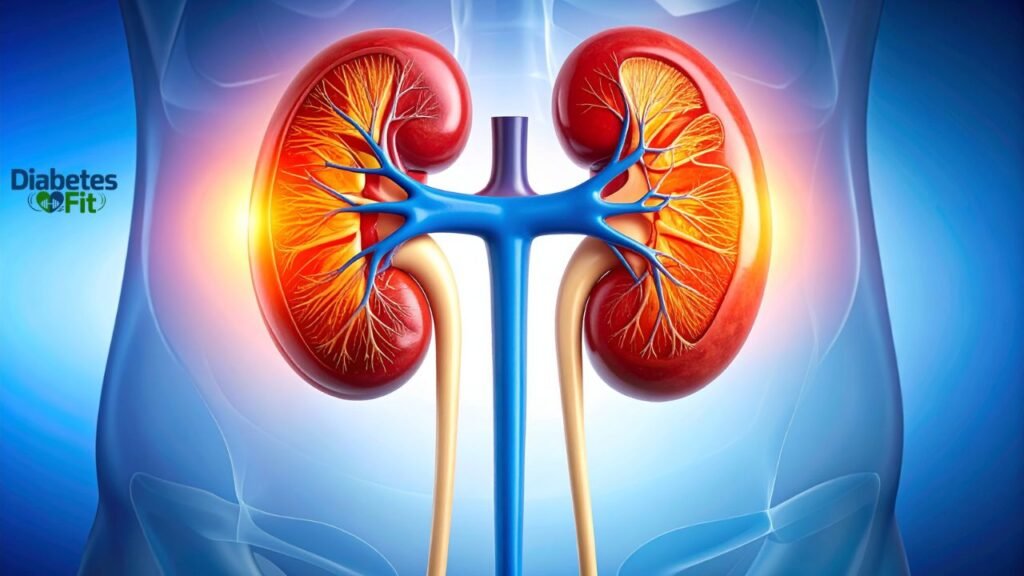
How cucumbers support kidney health:
- Natural diuretic properties: Cucumber has mild diuretic effects — promoting urine output that helps flush excess glucose, uric acid, and other metabolic waste products that stress the kidneys
- Low potassium for kidney-compromised patients: Unlike many vegetables that are high in potassium (which can accumulate dangerously in impaired kidneys), cucumber has only modest potassium levels — generally safe even for those with early diabetic kidney disease
- Antioxidant protection: Cucumber’s antioxidants reduce the oxidative stress that accelerates kidney cell damage in diabetics
- Cucurbitacins: Research suggests these compounds have specific protective effects on kidney cells under high-glucose conditions
Important note for advanced kidney disease: Patients with severe kidney disease (Stage 4–5 CKD) should consult their nephrologist about any dietary changes — including cucumber — as even moderate potassium intake may need to be monitored.
5. Reduces Inflammation — The Hidden Driver of Diabetic Complications
Chronic inflammation is not just a symptom of poorly controlled diabetes — it’s a primary driver of insulin resistance and of the devastating complications that diabetes causes (neuropathy, retinopathy, cardiovascular disease, and nephropathy).
Cucumber’s anti-inflammatory arsenal:
- Quercetin: A powerful flavonoid antioxidant found in cucumber that directly inhibits pro-inflammatory enzymes (COX-1 and COX-2) — the same targets as ibuprofen, but without the gastrointestinal side effects
- Kaempferol: Another flavonoid in cucumber with demonstrated anti-inflammatory activity in multiple research models
- Beta-carotene: A carotenoid antioxidant that reduces oxidative stress-driven inflammation
- Cucurbitacins: Shown in research to inhibit NF-κB — a master inflammatory signaling molecule — directly reducing systemic inflammation
A study published in the Journal of Agricultural and Food Chemistry found that cucumber extract significantly inhibited multiple inflammatory pathways — comparable in some measurements to pharmaceutical anti-inflammatory agents.
For diabetics whose condition is significantly worsened by chronic inflammation, the anti-inflammatory cucumber benefits for diabetes are both meaningful and clinically relevant.
6. Supports Healthy Weight Management
Excess body weight — particularly visceral fat (fat around the abdominal organs) — is one of the primary drivers of insulin resistance and type 2 diabetes. Even modest weight loss (5–10% of body weight) dramatically improves blood sugar control in type 2 diabetics.
Cucumber benefits for diabetes through weight management:
- Extremely low calorie density: At 15 calories per 100g, cucumber is one of the lowest-calorie foods available. Eating a 300g cucumber costs only 45 calories — less than a single bite of most snack foods
- High volume, low calories: The physical volume of a cucumber fills the stomach and triggers satiety signals — reducing overall calorie intake without hunger
- Natural diuretic: Reduces water retention that contributes to excess weight
- Replaces high-calorie snacks: Snacking on a cucumber instead of chips, crackers, or cookies saves hundreds of calories per day
Practical impact: Research on calorie-density-based eating consistently shows that increasing low-calorie-density foods like cucumbers in the diet produces significant weight loss over time — without calorie counting or restrictive eating.
7. Improves Cardiovascular Health — Essential for Diabetics
People with diabetes have two to four times the risk of cardiovascular disease compared to non-diabetics — making heart protection one of the most critical aspects of diabetes management.
Cardiovascular cucumber benefits for diabetes:
- Potassium: Cucumber’s 147mg of potassium per 100g supports healthy blood pressure — high blood pressure is extremely common in diabetics and dramatically increases cardiovascular risk
- Quercetin: This flavonoid has demonstrated protective effects against LDL cholesterol oxidation — the process that deposits plaques in artery walls
- Cucurbitacins: Research suggests these compounds have protective effects on vascular endothelium (the lining of blood vessels) under high-glucose conditions
- Fiber: Even the modest fiber in a cucumber contributes to LDL cholesterol reduction
- Low sodium: Cucumber is naturally very low in sodium, important for blood pressure management in diabetics
A study published in Fitoterapia found that cucumber extract significantly reduced total cholesterol, LDL cholesterol, and triglycerides in animal models, with effects that were particularly pronounced in diabetic animal subjects.
8. Provides Antioxidant Protection Against Diabetic Complications
Oxidative stress — an imbalance between free radical production and antioxidant defense — is dramatically elevated in people with diabetes. Chronic high blood sugar generates excessive free radicals that damage cells throughout the body, contributing to every major diabetic complication.
Cucumber’s antioxidant profile:
| Antioxidant | Amount | Function |
| Beta-carotene | 45mcg per 100g | Neutralizes free radicals, supports immune function |
| Vitamin C | 2.8mg per 100g | Water-soluble antioxidant, regenerates vitamin E |
| Quercetin | Present in the skin | Powerful flavonoid antioxidant, anti-inflammatory |
| Kaempferol | Present | Protects against oxidative cell damage |
| Lutein | 23mcg per 100g | Eye protection — relevant for diabetic retinopathy |
| Cucurbitacins | Present in peel | Antioxidant, anti-inflammatory |
Why the peel matters: The majority of a cucumber’s antioxidants are concentrated in and just under the skin. Peeling cucumbers before eating removes the most nutritionally valuable part. For maximum diabetes benefits, eat a cucumber with the skin on whenever possible (use organic or wash thoroughly)
9. Supports Nervous System Health — Relevant for Diabetic Neuropathy
Diabetic neuropathy — nerve damage caused by chronically high blood sugar — affects up to 50% of people with diabetes, causing pain, numbness, tingling, and in severe cases, loss of sensation in the feet and legs.
Cucumber’s neuroprotective potential:
- B vitamins: Cucumber contains modest amounts of B1 (thiamine), B5 (pantothenic acid), and B6 — vitamins critical for nerve function and myelin sheath maintenance
- Magnesium: Essential for nerve signal transmission and neuroprotection
- Anti-inflammatory compounds: Reducing systemic inflammation helps protect nerve cells from the inflammatory damage that worsens neuropathy
- Hydration support: Nerves require adequate hydration for proper function and signal conduction
While cucumber alone cannot treat established neuropathy, its regular consumption contributes to the nutritional foundation that supports nerve health in diabetics.
10. Digestive Health and Blood Sugar Stability
The connection between gut health and blood sugar management is well-established — and cucumber benefits for diabetes include meaningful support for digestive function.

How cucumber support digestive health relevant to diabetes?
- Fiber content: Cucumber’s fiber — while modest (0.5g per 100g) — contributes to daily fiber intake that slows glucose absorption and feeds beneficial gut bacteria
- High water content: Supports healthy bowel motility and prevents constipation, which is more common in diabetics due to autonomic neuropathy and dehydration
- Cucurbitacins: Have shown gastroprotective effects in research, reducing stomach irritation and inflammation
- pH-balancing effect: Cucumber’s alkaline nature helps balance the slightly acidic digestive environment
The gut-glucose connection: Research increasingly shows that the gut microbiome composition significantly influences blood sugar regulation. Adequate fiber and hydration — both supported by cucumber consumption — promote a microbiome composition associated with better glycemic control.
Best Ways to Eat Cucumber for Diabetes
Fresh and Raw (Maximum Benefits)
| Preparation | Benefits | Best Combinations |
| Raw slices with skin | Maximum antioxidants and nutrients | Dip in hummus or Greek yogurt |
| Cucumber water | Hydration + mild flavor | Add lemon and mint |
| Cucumber salad | Volume, satiety, nutrients | With olive oil, vinegar, and herbs |
| Cucumber sticks | Portable snack | With cottage cheese or avocado |
| Cucumber in smoothies | Hydration, mild flavor | With spinach, lemon, and ginger |
Cucumber Juice for Diabetics
Fresh cucumber juice concentrates some of the active compounds — including cucurbitacins — that research links to blood sugar benefits.

Simple cucumber juice recipe for diabetics:
- 1 large cucumber (with skin)
- 1 inch fresh ginger
- Juice of 1 lemon
- 500ml water
- Optional: a few mint leaves
Blend or juice. Drink before meals for potential appetite-reducing and glucose-stabilizing effects.
Important: Cucumber juice has a very low glycemic impact, but add minimal fruit if blending to keep sugar content low.
Cucumber vs. Other Low-GI Vegetables for Diabetics
| Vegetable | GI | Net Carbs/100g | Fiber/100g | Diabetic Suitability |
| Cucumber | 15 | 2.6g | 0.5g | ⭐⭐⭐⭐⭐ |
| Spinach | 15 | 1.4g | 2.2g | ⭐⭐⭐⭐⭐ |
| Zucchini | 15 | 2.1g | 1g | ⭐⭐⭐⭐⭐ |
| Celery | 15 | 1.4g | 1.6g | ⭐⭐⭐⭐⭐ |
| Broccoli | 15 | 4g | 2.6g | ⭐⭐⭐⭐⭐ |
| Bell pepper | 15 | 4.6g | 1.7g | ⭐⭐⭐⭐ |
| Tomato | 30 | 2.7g | 1.2g | ⭐⭐⭐⭐ |
| Carrot | 35 | 7.6g | 2.8g | ⭐⭐⭐ |
| Sweet potato | 54 | 17g | 2.5g | ⭐⭐ |
| White potato | 78 | 15.7g | 2.2g | ⭐ |
Cucumber ranks among the very best vegetables for diabetics — tied with spinach, zucchini, and celery for the lowest glycemic impact of any commonly available food.
How Much Cucumber Should Diabetics Eat Daily?
| Goal | Recommended Daily Amount | Form |
| Blood sugar support | 1–2 medium cucumbers (200–400g) | Raw with skin |
| Hydration support | 1–2 cucumbers as part of fluid intake | Any form |
| Weight management | Unlimited — replace high-calorie snacks | Raw, sliced |
| Maximum benefits | 2 medium cucumbers daily | With skin, varied preparations |
Cucumber is one of the few foods that diabetics can eat essentially without restriction — its glycemic impact is negligible, its calorie content is trivial, and its nutritional benefits compound with increased intake.
Frequently Asked Questions
What are the main cucumber benefits for diabetes?
The main cucumber benefits for diabetes include: virtually zero blood sugar impact (GI of 15), potential active blood-sugar-lowering effects from cucurbitacins and other compounds, improved insulin sensitivity support through magnesium content, exceptional hydration support that prevents dehydration-driven glucose concentration, kidney health support through natural diuretic properties, powerful anti-inflammatory effects from quercetin and kaempferol, cardiovascular protection through potassium and antioxidants, and weight management support through extremely low calorie density. These benefits make cucumber one of the most diabetes-friendly foods available.
Can a cucumber lower blood sugar levels in diabetics?
Research suggests that cucumber may have active blood-sugar-lowering properties beyond simply not raising blood sugar. Animal and in vitro studies have found that cucumber extracts containing cucurbitacins significantly reduce blood glucose levels and improve glucose tolerance. The compounds vitexin and other flavonoids in cucumber appear to inhibit carbohydrate-digesting enzymes, slowing glucose absorption. While large-scale human clinical trials are still limited, the mechanism is well-supported, and the cucumber’s safety profile is excellent. Many diabetics report lower post-meal blood sugar readings when incorporating cucumber regularly, though individual responses vary.
How often should a diabetic eat a cucumber?
Diabetics can eat a cucumber daily — and doing so produces the most consistent benefits. Because cucumber has a glycemic index of 15 and a glycemic load of less than 1, there’s no blood sugar reason to limit consumption. Eating 1–2 medium cucumbers daily as a snack, with meals, or as part of salads provides meaningful hydration, antioxidant, and anti-inflammatory benefits for diabetics. The cucumber benefits for diabetes are most consistent with daily consumption — occasional eating provides some benefit, but regular daily intake is most impactful for blood sugar management and complication prevention.
Is cucumber juice good for diabetes?
Yes — cucumber juice is beneficial for diabetics when prepared correctly. Fresh cucumber juice (made with the skin, without added fruit or sweeteners) retains the active compounds that support blood sugar management while providing minimal carbohydrates. Research suggests the cucurbitacin compounds that may lower blood sugar are concentrated in the juice. However, commercially prepared cucumber drinks often contain added sugar — always read labels. The best approach is fresh homemade cucumber juice with lemon and ginger — both of which have additional blood sugar benefits. Drink before meals for potential appetite reduction and blood sugar stabilization.
Are pickled cucumbers good for diabetics?
Plain dill pickles (made with vinegar, not sugar) have interesting potential benefits for diabetics beyond regular cucumbers. The vinegar (acetic acid) in pickles has demonstrated blood-sugar-lowering effects — research shows consuming vinegar before or with meals reduces post-meal blood glucose by 20–34% in people with type 2 diabetes and insulin resistance. This makes vinegar pickles potentially one of the most blood-sugar-friendly processed foods available. However, pickles are very high in sodium — one pickle can contain 300–800mg of sodium. Diabetics managing blood pressure or kidney disease should consume pickles in moderation. Avoid bread-and-butter pickles and sweet pickle varieties — these contain significant added sugar.
Does a cucumber affect blood sugar at all?
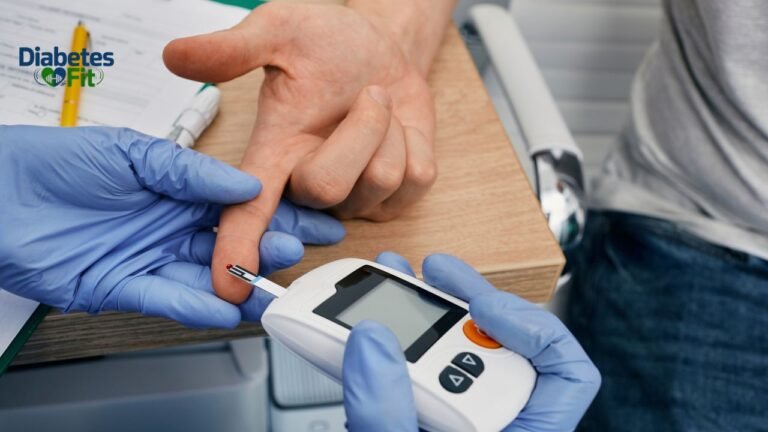
Cucumbers have virtually no measurable effect on blood sugar in practical consumption amounts. With a glycemic index of 15 and a glycemic load of less than 1, eating an entire large cucumber (300g) causes a blood glucose rise so small it’s clinically insignificant — typically less than 5 mg/dL in most diabetics. This makes cucumber one of the safest foods for blood sugar management. In fact, rather than raising blood sugar, the benefits of cucumbers for diabetes suggest the opposite — active compounds in cucumbers may modestly lower blood sugar through enzymatic inhibition and insulin sensitization. Testing with a glucometer before and 1–2 hours after eating a cucumber will confirm this minimal impact for most individuals.
Can Type 1 diabetics eat a cucumber freely?
Yes — cucumber is equally safe and beneficial for Type 1 and Type 2 diabetics. With less than 3g of net carbs per 100g, a cucumber requires essentially no insulin dose adjustment in Type 1 diabetes management. The negligible carbohydrate content means it won’t cause unexpected blood sugar rises that complicate insulin dosing. Type 1 diabetics can eat a cucumber freely as a snack or meal component without concern about blood sugar impact. The hydration benefits are particularly valuable for Type 1 diabetics who may be prone to dehydration from glycosuria (glucose in urine). Always confirm individual blood sugar response with a glucometer when trying new foods, even those as low-carb as a cucumber.
Conclusion
The benefits of cucumbers for diabetes are evident, significant, and available to everyone treating this condition after a thorough examination of the available data. Cucumber is one of the most genuinely diabetes-friendly vegetables available, and including it frequently in your diet helps control blood sugar levels through a number of concurrent methods. However, it is not a miraculous cure.
The benefits of cucumber for diabetes are extensive and clinically significant, ranging from its minimal glycemic effect and possible blood-sugar-lowering compounds to its potent anti-inflammatory and antioxidant effects, kidney health support, cardiovascular protection, weight management benefits, and exceptional hydration properties.
The best part is that cucumbers are among the most readily available, reasonably priced, and simple foods. There are no costly supplements, no difficult recipes, and no adverse effects to be concerned about. Whether you eat it raw, juice it, add it to salads, or just slice it for a snack, every portion is beneficial to controlling your blood sugar levels rather than detrimental.
Get started right now. This week, include one cucumber in your daily diet. You can create cucumber water for your daily hydration, eat it as a snack with Greek yogurt dip, or add sliced cucumber to your lunch salad. After consuming cucumbers every day for a month, observe how your blood sugar levels, level of hydration, and general energy levels change. You may find the benefits of cucumbers for diabetes in the produce section, and they are more affordable than any supplement available.
Disclaimer: This article is for informational purposes only and does not replace professional medical advice. Always consult your doctor, endocrinologist, or registered dietitian for personalized dietary guidance, especially if you are managing diabetes with medication or insulin. Never adjust diabetes medications based solely on dietary changes without medical supervision.
For more information, you can read the post from Healthline.

David Miller: I am a health and wellness writer focused on diabetes awareness, blood sugar control, and healthy living. I creates clear, practical content to help readers make better everyday health choices. I write evidence-based articles about diabetes, diet, and healthy living. My goal is to simplify complex health topics using trusted sources like WHO and medical journals.